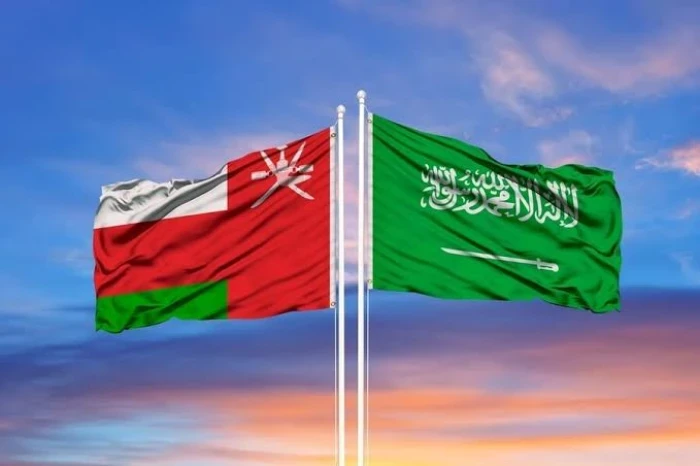
A remote area in the Sultanate of Oman, known for its geographical isolation, is currently experiencing tension due to its proximity to the Strait of Hormuz, considered one of the most important maritime passages in the world. This region, characterized by its rugged natural beauty, faces significant challenges due to ongoing regional conflicts.
Historically, Oman has been known for its balanced diplomatic relations, but the current situation in the region indicates a rise in tensions. Conflicts in neighboring countries, such as Yemen and Iran, directly impact stability in Oman, making this area a focal point for global attention.
Details of the Situation
The remote Omani area, referred to as the "isolated," serves as a living example of the contradiction between geographical isolation and being at the heart of one of the most vital maritime routes. This region is located near the Strait of Hormuz, through which approximately 20% of the world's total oil passes. This proximity makes it susceptible to military and political tensions, with growing fears of new conflicts erupting in the area.
In recent years, the region has witnessed an increase in military activities, with reports indicating military movements in nearby waters. This situation raises concerns among local residents, who live in a state of uncertainty and fear regarding the implications of these tensions on their daily lives.
Background & Context
Historically, the Sultanate of Oman has been considered a meeting point for cultures and trade. However, regional conflicts, such as the war in Yemen and Iranian threats, have significantly affected the stability of the region. The Strait of Hormuz is a strategic point used for transporting oil and natural gas, making it a target for international conflicts.
Studies indicate that this area has undergone significant changes in recent years, becoming more susceptible to military tensions. The geographical isolation that this region enjoys may also render it more vulnerable to the negative effects of regional conflicts.
Impact & Consequences
The repercussions of these tensions extend beyond Omani borders, affecting global oil markets and increasing instability in the region. Experts suggest that any escalation in conflicts could lead to rising oil prices, impacting the global economy. Additionally, these tensions may result in a flow of refugees to neighboring countries, increasing pressure on local governments.
Moreover, the impact of these tensions extends to international relations, with major powers such as the United States, Russia, and China showing interest in their stakes in the region. This interest could lead to military or diplomatic interventions, complicating the situation further.
Regional Significance
These events hold particular importance for neighboring Arab countries, as they affect their stability and security. Conflicts in Yemen, Syria, and Iraq illustrate how neighboring countries can be impacted by regional disputes. Furthermore, tensions in the Strait of Hormuz could lead to increased frictions between Arab states and Iran, heightening instability in the region.
In conclusion, the events in the Sultanate of Oman highlight how regional tensions can affect remote areas, where local communities live in a state of anxiety and fear. It is crucial for these issues to remain in the spotlight, as they require international efforts to mitigate tensions and achieve stability in the region.