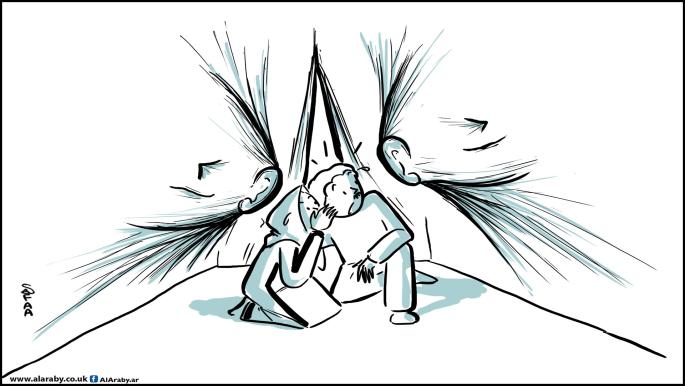
The suffering of Gaza's residents continues as the conflict persists, forcing many families to live in tents that lack privacy. These tents, which have become shelters for the displaced, reflect a tragic reality faced by the population under harsh conditions.
Reports indicate that thousands of families reside in these tents, making it difficult for them to maintain their privacy. Under these circumstances, residents face daily challenges related to human dignity, as they are compelled to adapt to a new reality characterized by a lack of security.
Details of the Situation
The tents in Gaza lack the most basic necessities of life, exacerbating the suffering of displaced families. These tents are spread across several areas, forcing residents to share cramped spaces, which leads to a loss of privacy. Additionally, the health conditions in these tents pose an extra risk, as they lack essential facilities such as clean water and sanitation.
Some families share their experiences in these tents, describing how daily life has become a significant challenge. Children, who are supposed to be in a safe environment, find themselves in unsuitable conditions, affecting their mental and physical health.
Background & Context
The history of the conflict in Gaza spans decades, with the region witnessing repeated clashes that have led to the destruction of infrastructure and the displacement of populations. The recent conflict, which erupted in 2023, has significantly increased the number of displaced individuals, making the need for humanitarian aid more urgent.
Humanitarian organizations are striving to provide support, but logistical and political challenges hinder their efforts. Under these conditions, displaced families remain in a state of uncertainty, increasing the psychological and social pressures on them.
Impact & Consequences
The living conditions in the tents affect all aspects of residents' lives. Studies have shown that the loss of privacy can lead to increased stress and anxiety, impacting family relationships. Furthermore, children growing up in these conditions face significant educational and psychological challenges.
Concerns are rising that these conditions may lead to the outbreak of diseases, especially in light of the lack of healthcare. The absence of a stable environment also affects families' ability to rebuild their lives after the conflict.
Regional Significance
The Gaza crisis is part of larger crises affecting the Arab region, highlighting the need for political and economic solutions. The ongoing conflict in Gaza underscores the challenges faced by Arab nations in addressing issues of displacement and asylum.
These crises require a collective response from Arab countries and the international community, as there must be joint efforts to support the displaced and improve their living conditions.
In conclusion, the suffering of Gaza's residents in tents symbolizes the harsh reality faced by many in the region. It requires concerted efforts to improve humanitarian conditions and provide a dignified life for the displaced.