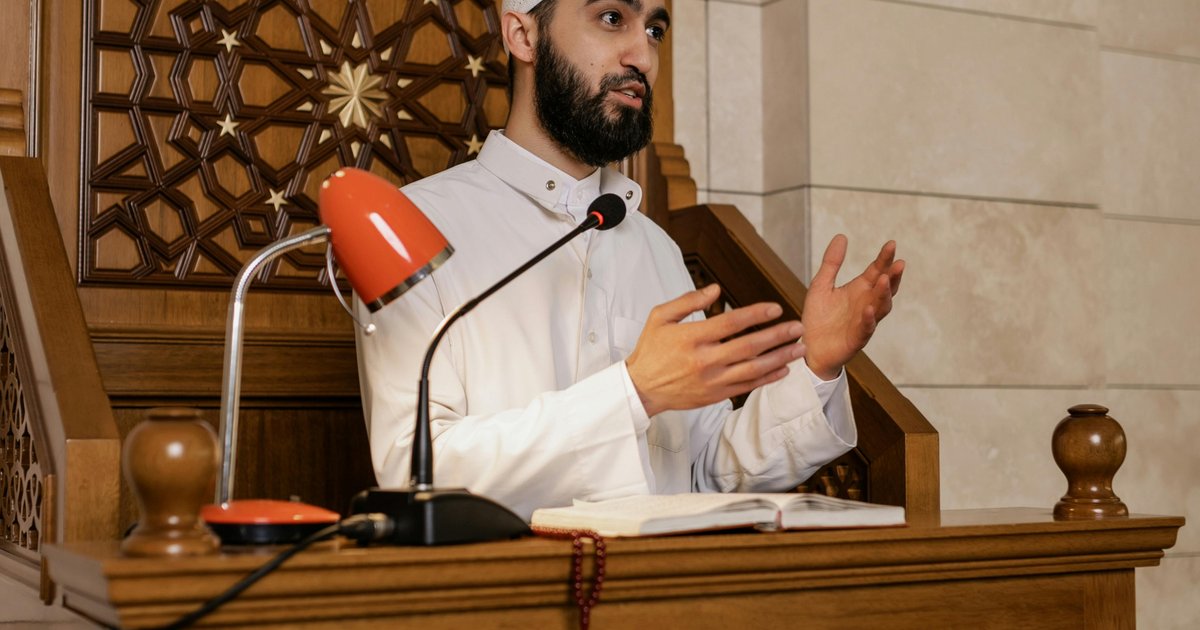
The Imam of the Prophet's Mosque, during the Friday sermon, affirmed that prayer is one of the greatest acts of worship that brings a servant closer to Allah, the Almighty. He explained that prayer is not merely words spoken, but an expression of need and dependence on God's mercy and assistance.
The Imam indicated that there are specific times when prayer is recommended, such as the last third of the night, during prostration, and on Fridays, especially between the call to prayer and the commencement of the prayer. He also mentioned that sincerity of intention, acknowledgment of sin, and avoidance of sins are among the reasons that lead to the acceptance of prayers.
Details of the Event
The Imam spoke about the importance of prayer in a Muslim's life, noting that Allah has promised His servants a response, as stated in His holy book: "Call upon Me; I will respond to you." He pointed out that prayer is a means of communication with God, reflecting the servant's faith and trust in God's ability to change circumstances.
The Imam also emphasized the necessity of prayer during difficult times, when a servant is in dire need of God's mercy and support. He clarified that prayer can be a cause for alleviating worries and pains, enhancing feelings of safety and tranquility in the hearts of believers.
Background & Context
The call to prayer is considered one of the fundamental values in Islam, where Muslims are encouraged to adhere to it at all times. Many scholars have pointed out that prayer is a great act of worship, and a believer must possess patience and faith when praying, even if the response is delayed.
Historically, prayer has played a significant role in the lives of prophets and righteous individuals, who would turn to God in times of hardship and prosperity. Prayer is an integral part of Islamic identity, reflecting the close relationship between the servant and their Lord.
Impact & Consequences
Emphasizing the virtue of prayer and its response times has positive effects on the Muslim community. It strengthens social bonds, as people gather in mosques to pray and supplicate to God. It also contributes to spreading a spirit of hope and optimism among individuals, helping to alleviate psychological and social pressures.
Moreover, prayer is seen as a means to express personal and collective needs, enhancing feelings of belonging and identity. The inclination towards prayer in difficult times demonstrates how faith can be a source of strength and support.
Regional Significance
In light of the challenges facing the Arab region, prayer is considered a means of expressing hope for change and improvement. Many people resort to prayer as a way to alleviate the political, economic, and social crises plaguing Arab countries.
Promoting a culture of prayer in Arab communities can contribute to building a cohesive society, where individuals cooperate with one another in facing challenges. Additionally, prayer serves as a means of expressing unity and solidarity among Arab peoples during times of crisis.
In conclusion, prayer remains one of the most important acts of worship that strengthens the relationship between the servant and their Lord, contributing to the spread of hope and optimism in communities. It is essential for Muslims to commit to prayer at all times, asking God to respond to them and fulfill their hopes.