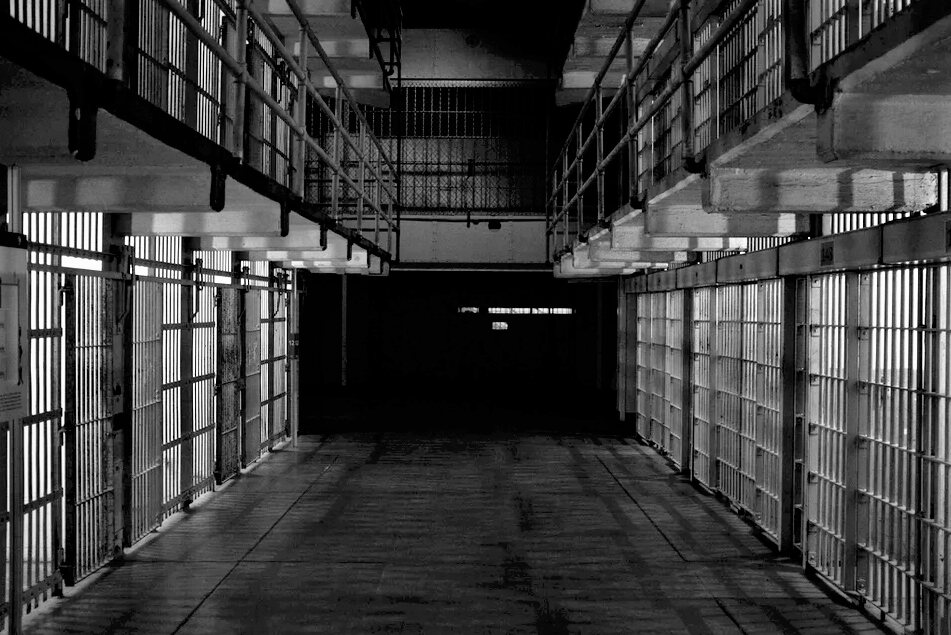
Highlighting the luxury enjoyed by wealthy prisoners sparks widespread debate about social justice within prison systems. Recent reports have shown that some prisons offer luxurious amenities to inmates with significant wealth, raising questions about equality in the application of the law.
These amenities include a range of premium services such as private rooms, gourmet food, and recreational activities, making the prison experience vastly different from that of ordinary inmates. This disparity in treatment highlights the challenges faced by judicial systems in achieving justice.
Details of the Facilities
The facilities provided to wealthy prisoners include access to services like the internet, books, and even personal trainers. In some cases, wealthy inmates can enjoy accommodations in hotel-like rooms within prisons, provoking public outrage.
Reports indicate that these amenities are not merely exceptions but part of an integrated system that allows the wealthy to benefit from their financial status even under punishment. This situation reflects the significant gap between social classes and reinforces feelings of inequality.
Background & Context
Historically, prisons were considered places for punishment and rehabilitation; however, over time, some judicial systems began offering additional services to inmates, especially those with financial resources. This phenomenon is not new, but it has become more pronounced in recent years.
Prison systems around the world vary in how they handle inmates, with some countries providing greater amenities for wealthy prisoners, raising questions about the effectiveness of these systems in achieving justice.
Impact & Consequences
This phenomenon significantly affects how society perceives justice. Many feel that there is clear discrimination in how prisoners are treated based on their financial status. This situation can lead to a loss of trust in the judicial system and exacerbate social divisions.
Moreover, these amenities may affect ordinary prisoners, who may feel frustrated due to the lack of similar opportunities. This issue can exacerbate problems within prisons and increase tensions among inmates.
Regional Significance
In the Arab region, this phenomenon may be more complex, as judicial systems vary between countries. Some countries may have harsher prison systems, while others may offer greater amenities to wealthy prisoners. This situation can influence how citizens perceive justice and equality.
Highlighting this issue can help foster dialogue about the necessary reforms in judicial systems, potentially leading to improved conditions within prisons and achieving justice for all.
The issue of wealthy prisoners' welfare raises numerous questions about social justice and equality. It is crucial that these issues are addressed seriously by policymakers and society as a whole to achieve a more equitable judicial system.