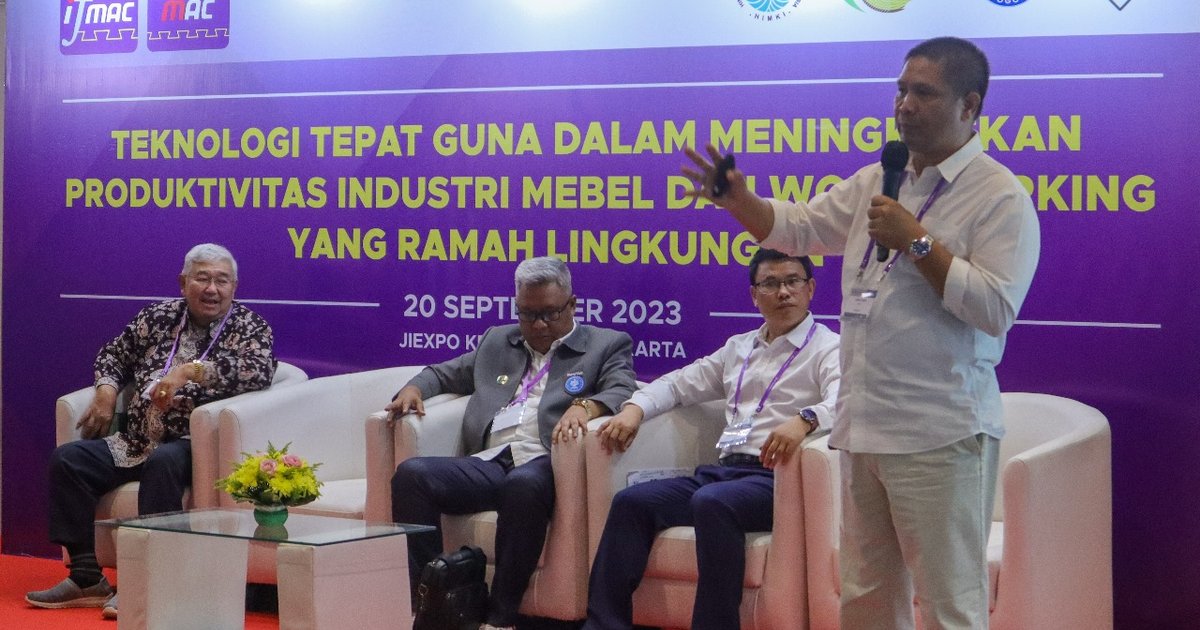
The Indonesian Furniture and Handicraft Industry Association (HIMKI) has urged the development of marketing and distribution centers in global markets to tackle challenges arising from volatile geopolitical and economic conditions. This statement was made by the association's president, Abdul Sabour, in Jakarta, where he emphasized that the current situation requires a swift and effective response from the industrial sector.
Abdul Sabour noted that the escalation of conflicts in the Middle East has significantly impacted the activities of the furniture and handicraft sector, which heavily relies on global supply chains. He explained that disruptions in transport lines and shipment delays, along with increasing buyer caution in payment processes, are clear indicators of the geopolitical situation's impact on the local economy.
Event Details
In light of these circumstances, Abdul Sabour confirmed that the industrial sector is facing structural changes that go beyond mere market fluctuations. He clarified that the current challenges require companies to be more flexible and capable of adapting to changing conditions. He stressed the importance of developing new strategies to reduce reliance on specific distribution areas.
As part of this response, HIMKI aims to enhance diversity in export markets and develop alternative distribution pathways. Among the initiatives currently underway is the establishment of marketing and distribution centers in regions such as Europe, the United States, and Canada, which will contribute to shortening supply chains and increasing proximity to markets.
Background & Context
Historically, Indonesia has witnessed significant growth in the furniture sector, being one of the largest furniture producers in the world. However, global geopolitical and economic challenges have greatly affected this sector, necessitating new strategies to adapt to these changes.
The Indonesian government, through the Ministry of Industry, seeks to enhance the country's position as a global center for furniture production by improving manufacturing processes and promoting sustainability. The furniture sector is considered vital in creating job opportunities and boosting the national economy.
Impact & Consequences
The current circumstances require companies to be more responsive and flexible. Abdul Sabour points out that these challenges can be viewed as an opportunity to improve the industrial system in Indonesia by fostering cooperation between the government and the private sector.
Additionally, developing new distribution centers could enhance the competitiveness of Indonesian products in global markets, aiding in achieving sustainable growth in the sector.
Regional Significance
Arab countries are also affected by global geopolitical and economic changes, as many rely on global supply chains. The development of new distribution centers in Indonesia could open new opportunities for trade cooperation between Indonesia and Arab nations.
In conclusion, this move by HIMKI represents an important strategic step to enhance the industrial sector's ability to face global challenges, contributing to sustainability and growth in the future.