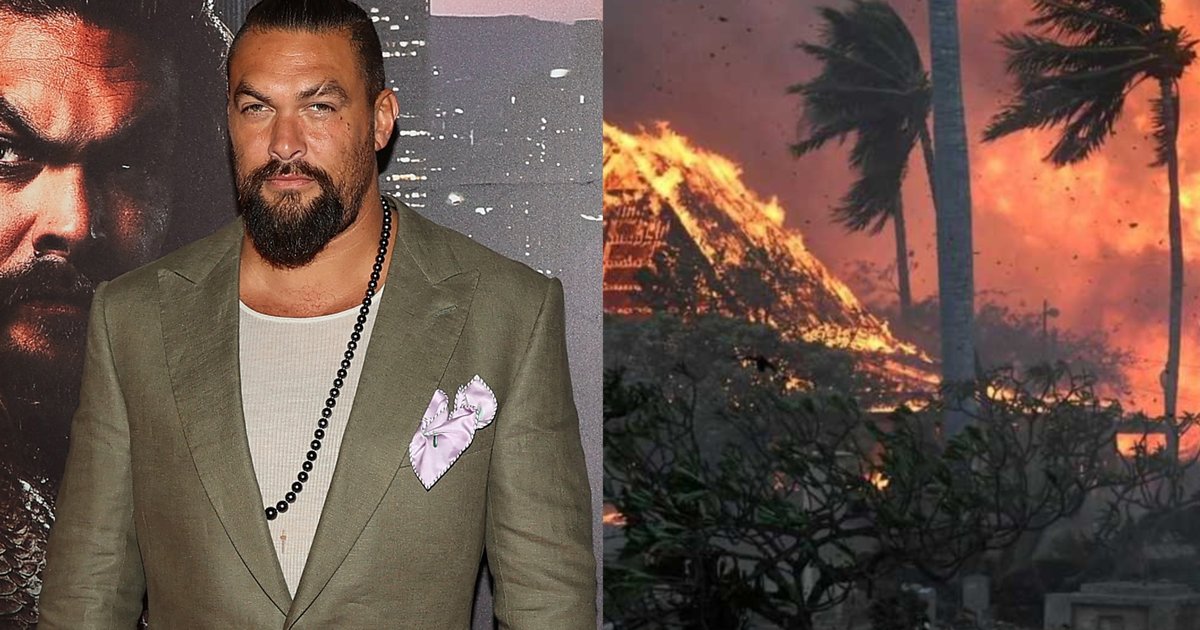
Jason Momoa, the star of the film 'Aquaman', was forced to evacuate his home in Hawaii after a powerful storm caused historic flooding, considered among the worst the area has experienced in twenty years. The storm, which recently swept through the region, led to widespread destruction of homes and infrastructure, prompting many residents to seek safe shelter.
Momoa, who is regarded as one of Hollywood's leading stars, shared details of his experience on social media, stating that the situation was "crazy" and that he had no choice but to leave his home with his family. The sudden floods affected many areas in Hawaii, raising concerns among residents about their safety and future.
Details of the Event
Reports indicate that the storm that hit Hawaii caused heavy rainfall, leading to rising water levels in rivers and lakes, resulting in massive flooding that submerged streets and homes. Local authorities issued warnings for residents to evacuate immediately in some of the most affected areas. Many major roads were also closed due to rising water levels, disrupting traffic and delaying relief efforts.
These floods are part of an increasing climatic pattern in Hawaii, where the region has seen a rise in the intensity of storms and heavy rainfall in recent years. Experts warn that climate change may play a significant role in these extreme weather phenomena.
Background & Context
Historically, Hawaii has experienced numerous storms and floods, but the current flooding is considered among the most destructive. In 2004, Hawaii faced a similar storm that resulted in widespread devastation, but the current situation shows a worsening of climatic conditions. These events raise questions about how local communities are prepared to face future climatic challenges.
Hawaii is a popular tourist destination; however, climatic changes and increasing natural phenomena may impact the tourism sector, negatively affecting the local economy. Additionally, the floods disrupt the daily lives of residents, necessitating a swift and effective response from local government.
Impact & Consequences
The repercussions of these floods could be far-reaching, with experts predicting that they will affect the local economy, especially in the tourism sector, which heavily relies on stable climatic conditions. The damage to infrastructure may require significant investments for reconstruction, potentially impacting the state’s budget.
Moreover, these climatic events may lead to increased public awareness regarding the importance of climate change and how to address it. Such disasters could push governments to take more serious actions to confront climatic challenges, including improving early warning systems and developing more climate-resilient infrastructure.
Regional Significance
Although Hawaii is far from the Arab world, extreme climatic events raise global concerns. Arab countries, facing their own climatic challenges, could benefit from studying how Hawaii deals with these disasters. International cooperation in addressing climate change has become an urgent necessity, as the effects of climate change do not recognize borders.
In conclusion, the floods in Hawaii serve as a powerful reminder of the fragility of the environment we live in and the importance of being prepared to face natural disasters. Extreme climatic events require all of us to think about how to protect our communities and environment from the impacts of climate change.