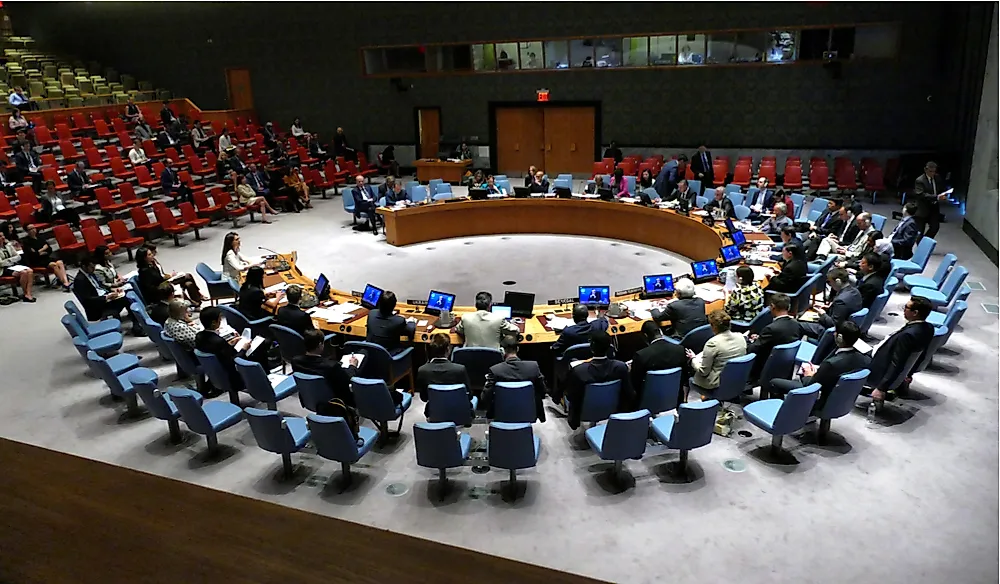
The UN Security Council convened, for the first time in its history, a special meeting to discuss ways to enhance cooperation with the Gulf Cooperation Council (GCC). This meeting comes at a time when the world is witnessing rapid geopolitical changes, emphasizing the importance of collaboration between international and regional organizations.
Several key issues were discussed during the meeting, including regional security, enhancing stability in the Gulf region, and the common challenges faced by the member states of the GCC.
Details of the Event
Members of the UN Security Council met with representatives from the GCC in a session that addressed ways to enhance cooperation in multiple areas, including security, economics, and culture. Many members highlighted the critical role of the GCC in promoting stability in the region, especially in light of the multiple crises affecting some Arab countries.
There was also a strong emphasis on the need to enhance coordination between the Security Council and the GCC to address security challenges such as terrorism and maritime threats. GCC representatives expressed their readiness to collaborate with the international community in these areas.
Background & Context
The GCC was established in 1981 in response to the security and economic challenges faced by its member states. Since then, the council has played a pivotal role in enhancing cooperation among Gulf countries, particularly in the fields of security and defense. With increasing tensions in the region, it has become essential to strengthen this cooperation at the international level.
This meeting occurs under complex international circumstances, where security challenges in the Middle East are escalating, including armed conflicts and humanitarian crises. Recent events have demonstrated the importance of cooperation between Gulf countries and the international community in addressing these challenges.
Impact & Consequences
This meeting may contribute to enhancing the role of the GCC in the international arena, enabling it to play a larger role in resolving regional conflicts. Additionally, cooperation with the Security Council could open new avenues for Gulf countries in various fields, such as investment and sustainable development.
Moreover, this collaboration could improve the image of Gulf countries in the international community, thereby attracting foreign investments and strengthening economic relations.
Regional Significance
This meeting represents an important step towards enhancing Arab cooperation, as the GCC is one of the most significant regional entities in the Arab world. By strengthening cooperation with the Security Council, Gulf countries can play a pivotal role in promoting stability in the region.
This collaboration may also contribute to addressing common Arab issues, such as conflicts in Yemen, Syria, and Libya, thereby enhancing the prospects for peace and stability in the region.
In conclusion, the UN Security Council's meeting with the GCC marks a turning point in international relations, reflecting the importance of regional cooperation in facing global challenges.