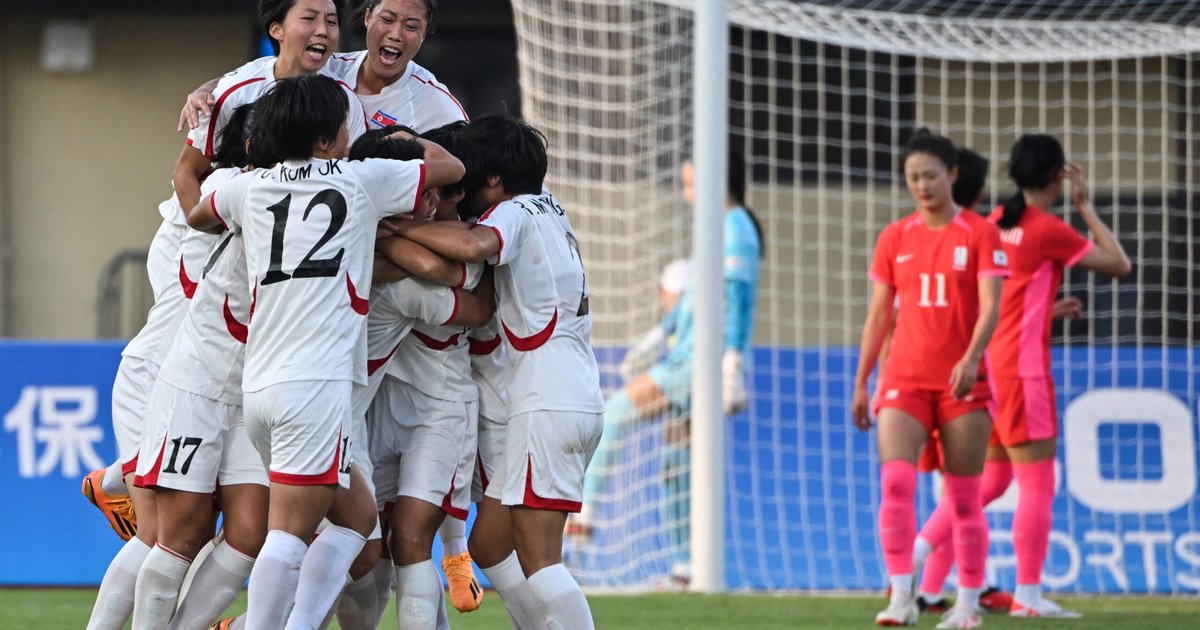
The South Korean Ministry of Unification has announced the organization of a rare women's football match, bringing together a team from North Korea and another from South Korea, marking the first event of its kind since 2018. This match comes at a sensitive time for relations between the two Koreas, as both governments seek to open new channels for communication and enhance cooperation.
This match represents a unique opportunity to transcend the political obstacles that have plagued the Korean Peninsula. It follows a period of ongoing tensions between the two sides, characterized by heightened political rhetoric and military operations. The match is expected to help ease tensions and strengthen human connections between the two peoples.
Event Details
The match will take place in a stadium designated for major sporting events, where a large number of fans from both sides are expected to attend. Additionally, parallel activities are planned, including cultural and artistic events aimed at promoting mutual understanding between the two Koreas. This event serves as a platform for cultural exchange, allowing women's teams from both sides to showcase their skills and foster the spirit of sportsmanship.
This match is part of the South Korean Ministry of Unification's efforts to promote dialogue and cooperation with the North. Officials from the ministry have stated that this step is seen as a new beginning in inter-Korean relations, and they hope it will contribute to improving humanitarian conditions in the region.
Background & Context
Historically, relations between the two Koreas have experienced numerous fluctuations, with periods of cooperation interspersed with times of tension and conflict. Since the end of the Korean War in 1953, relations have remained strained, although there have been repeated attempts to enhance dialogue, particularly in the fields of sports and culture.
In recent years, several attempts have been made to hold joint sporting events, but political circumstances have hindered these initiatives. Nevertheless, organizing this match is viewed as a positive step towards rebuilding trust between the two sides and may encourage further cooperation in the future.
Impact & Consequences
If this match succeeds in achieving its objectives, it could serve as a model for cooperation in other areas between the two Koreas. It may contribute to improving North Korea's image in the international community and strengthen the human ties that are essential for understanding and peace.
Furthermore, this initiative could encourage more sports and cultural initiatives, enhancing dialogue opportunities between the two sides. It may also stimulate the international community to support these efforts, thereby increasing the chances of achieving peace and stability in the region.
Regional Significance
The relations between the two Koreas serve as a model that can be beneficial in many contexts within the Arab region. They highlight the importance of sports as a means of communication and strengthening relationships between peoples. They also underscore the necessity of dialogue and understanding in the face of political challenges.
Arab countries can learn from this experience to enhance cooperation among themselves, especially in light of the political tensions in some areas. Utilizing sports as a means to bridge gaps between peoples is an effective strategy that promotes peace and understanding.