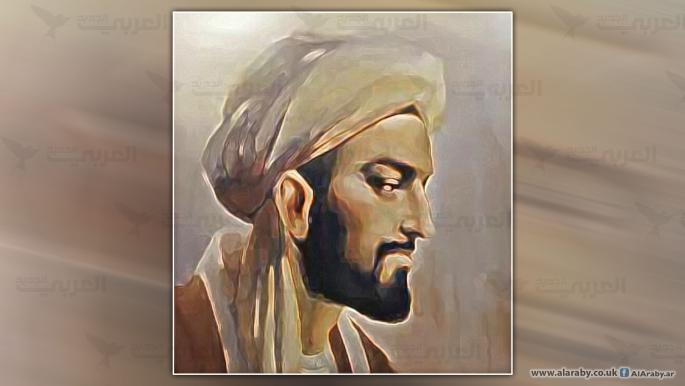
The Arabs today are experiencing a reality reminiscent of the time of Ibn Khaldun, as they are forced to confront historical challenges similar to those faced by the great thinker. Amid the political and economic crises plaguing the region, it seems that history is repeating itself, highlighting the need for deep thinking and strategic planning to address these challenges.
Tamerlane, the famous Mongol leader, represented a tremendous military force in his era and demonstrated the ability to impose his conditions on nations and peoples. Today, Arabs face pressures from both external and internal forces, reminding us of that historical period marked by violent conflicts and radical changes in the region.
Details of the Current Situation
Historically, Ibn Khaldun was one of the most prominent thinkers who studied the impact of social and economic conditions on the development of nations. In his book, The Muqaddimah, he provided a profound analysis of the reasons leading to the collapse of states. Today, we find ourselves in a similar situation, where political and social challenges are on the rise, necessitating a reevaluation of our strategies.
As crises escalate in many Arab countries, the need to restore the spirit of cooperation and solidarity among Arab nations becomes evident in facing common challenges. Can Arabs learn from the lessons of history and rebuild their societies?
Context and Background
Historically, the Arab region has witnessed many periods of external challenges, ranging from military invasions to colonization. Ibn Khaldun, who lived in the 14th century, witnessed those periods and provided deep insights into how external forces impact nations.
In modern times, Arab countries suffer from multiple influences, including military interventions, economic crises, and internal conflicts. These factors remind us of the challenges faced by Ibn Khaldun, who confronted external forces threatening the stability of his communities.
Consequences and Impact
Concerns are growing that history may repeat itself, as political and economic challenges emerge in many Arab countries. Political instability can exacerbate social crises, negatively affecting citizens' lives.
Moreover, internal divisions among Arab nations may weaken their ability to confront common challenges. Therefore, enhancing Arab cooperation may be the only way out of these crises.
Impact on the Arab Region
The current situation in the Arab world raises questions about the future. Will Arab countries be able to overcome these challenges, or will they continue to face crises? History teaches us that unity and solidarity are key to addressing any threat.
Ultimately, hope remains pinned on the Arabs' ability to learn from the lessons of history and rebuild their societies on foundations of cooperation and understanding. Addressing challenges requires a clear vision and strategic plans, which should be the focus of Arab leaders in the upcoming phase.