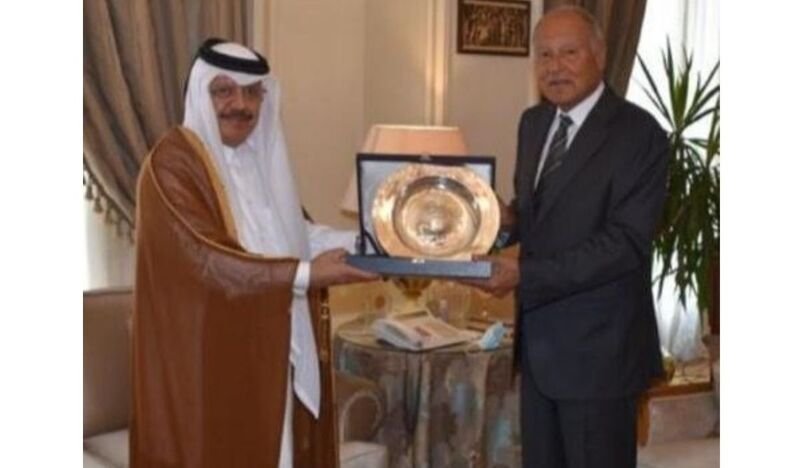
The Arab League was established in 1945, and since then, it has been led by eight Secretaries-General. Each Secretary-General represents an important historical phase in the journey of Arab cooperation.
The League was founded with the aim of enhancing cooperation among Arab countries and achieving economic and political integration. Since its inception, the League has faced numerous challenges and crises that have affected its role and standing in the international arena.
Details of the Secretaries-General
The Secretaries-General who have led the Arab League are: Abdul Rahman Azzam (1945-1952), Mahmoud Riad (1971-1979), Shazly al-Qalibi (1979-1990), Ismat Abdel Meguid (1991-2001), Amr Moussa (2001-2011), Nabil El-Araby (2011-2016), Ahmed Aboul Gheit (2016-2021), and currently Ahmed Aboul Gheit, who remains in office.
Each Secretary-General faced different challenges, ranging from regional conflicts to economic crises, which impacted the League's effectiveness in achieving its goals.
Background & Context
The Arab League was founded in a complex historical context, as Arab nations sought to achieve their independence after decades of colonial rule. The League has served as a platform for cooperation and coordination among member states in various fields.
Over the years, the League has faced criticism for its inability to resolve Arab disputes, such as the Palestinian-Israeli conflict and civil wars in some Arab countries. Nevertheless, the League remains a symbol of Arab unity.
Impact & Consequences
The impact of the Arab League extends to various aspects of political, economic, and social life in the Arab world. Despite the challenges, the League's role in promoting dialogue among member states remains significant.
The League seeks to enhance economic cooperation among member states, contributing to improving the living conditions of Arab citizens. It also plays a role in supporting Arab causes on the international stage.
Regional Significance
The Arab League remains a central hub in Arab politics, striving to achieve security and stability in the region. However, ongoing challenges require a reassessment of the League's role and operational mechanisms.
Enhancing cooperation among Arab countries necessitates joint efforts to address regional and international challenges. There remains hope for improving the League's effectiveness in achieving its objectives.