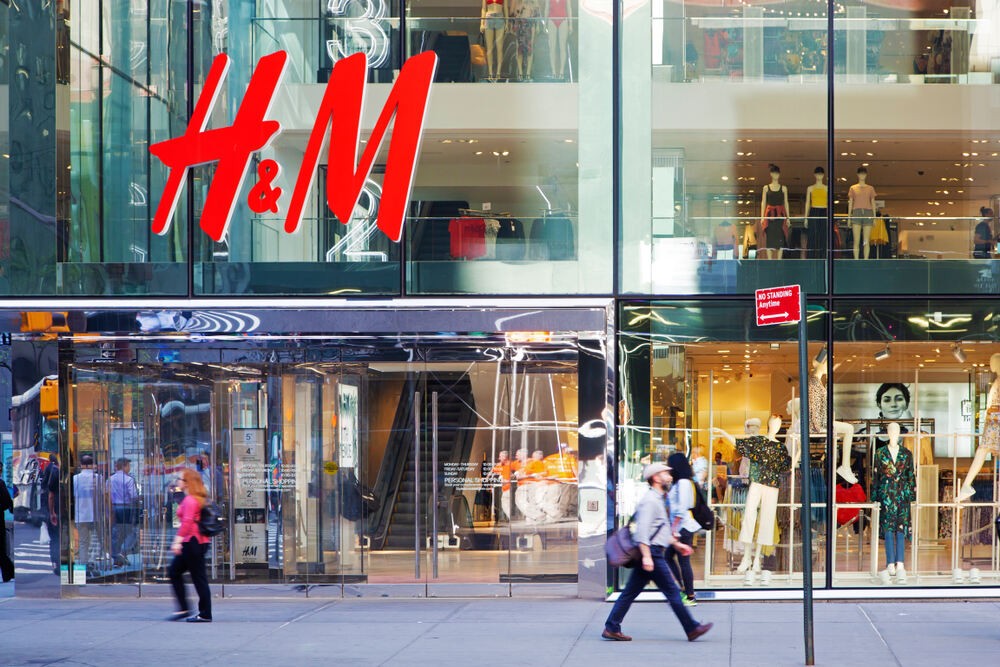
H&M, one of the leading fast fashion companies in the world, has reported a decline in its sales for the first quarter of the current year, with results coming in below expectations. The company has been grappling with challenging economic conditions, characterized by weak consumer spending and significant negative impacts stemming from currency fluctuations.
According to reports, sales did not reach the targeted figures, raising concerns about the company's ability to recover under these circumstances. Analysts have pointed out that these results reflect the challenges facing H&M in the global market, where competition is intensifying and demand for clothing is shrinking.
Details of the Decline
In its latest report, H&M revealed a notable decrease in sales compared to the same period last year. The company attributed this decline to several factors, including a decrease in consumer purchasing power in many key markets, as well as negative impacts resulting from currency fluctuations, which significantly affected profits.
Some experts have also noted that H&M faces additional challenges related to rapid changes in fashion trends, requiring the company to adapt more swiftly to consumer needs. This includes improving marketing strategies and expanding product ranges to meet customer expectations.
Background & Context
Founded in 1947, H&M has become one of the largest fashion companies in the world, with branches in over 70 countries. However, the company has faced increasing challenges in recent years, having been severely impacted by the COVID-19 pandemic, which led to store closures and a decline in sales.
Moreover, changes in consumer behavior, including the shift towards online shopping, have also affected H&M's performance. In recent years, the company has begun to expand its digital presence, but it still struggles to balance traditional retail with e-commerce.
Impact & Consequences
The recent results from H&M serve as an indicator of the challenges facing fast fashion companies worldwide. With increasing economic pressures, companies may need to reassess their strategies to ensure survival in the market. These results are expected to affect investor confidence in H&M, potentially leading to fluctuations in stock prices.
Additionally, these challenges could result in changes in the fashion market overall, where companies may be forced to lower prices or improve product quality to attract consumers. This could impact other brands in the sector, intensifying competition.
Regional Significance
In the Arab region, the decline in H&M's sales could have noticeable effects, especially in markets that heavily rely on importing clothing from abroad. Weak demand for H&M products may lead to reduced investments in the Arab market, affecting job opportunities and economic growth.
Furthermore, changes in consumer behavior in the region may prompt global brands, including H&M, to alter their marketing strategies, requiring them to adapt to local market needs.
In light of these circumstances, H&M must take serious steps to address the challenges it faces, whether through improving its marketing strategies or enhancing its digital presence. Adapting to changes in the market will be crucial to ensure the company's sustainability in the future.