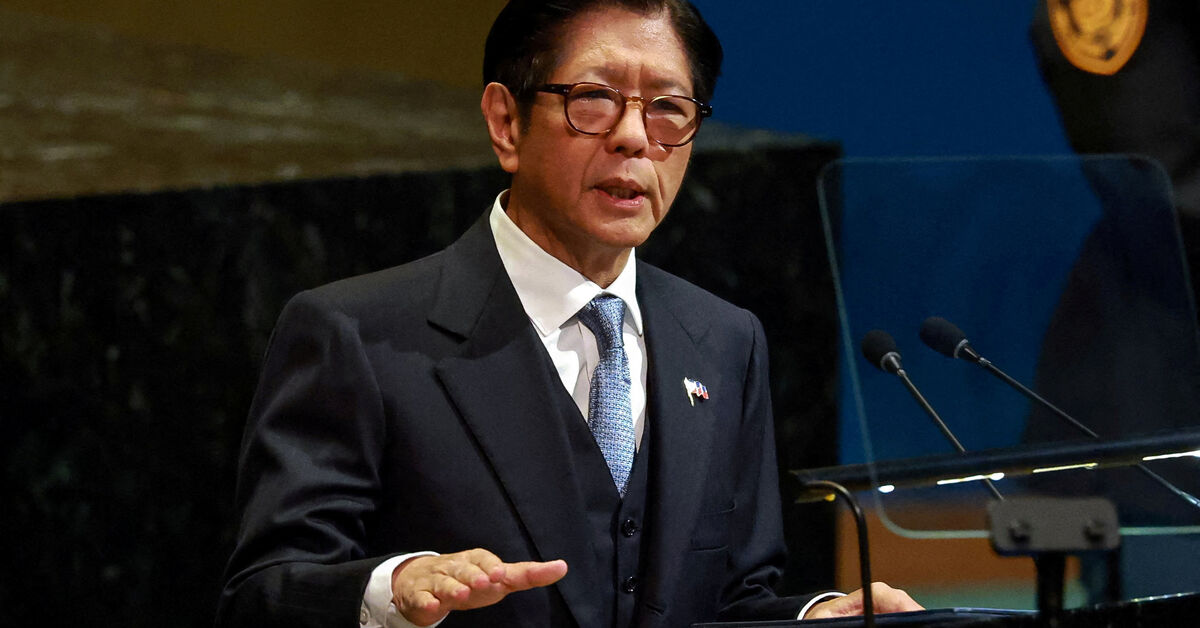
Philippine President Ferdinand Marcos Jr. announced that the ASEAN leaders' summit, considered one of the most important regional events, will be held in May, but with a reduced agenda. This decision comes amid the tense situation in the Middle East, where the summit will focus on urgent issues such as fuel supplies, food prices, and migrant labor.
During a press conference, Marcos clarified that he consulted with his counterparts in ASEAN member states about the possibility of postponing the summit due to the ongoing conflict in the Middle East. He noted that the consensus reached was that coordination among member states is essential during these critical times.
Details of the Event
The ASEAN summit is typically held within a framework of regional cooperation, bringing together the ten member states, which include Indonesia, Malaysia, the Philippines, Singapore, Thailand, Vietnam, Myanmar, Laos, Cambodia, and Brunei. However, the current circumstances in the Middle East, including armed conflicts and humanitarian crises, have impacted the summit's agenda.
Instead of focusing on traditional issues such as regional security and trade, the summit will shift towards addressing more pressing economic and social issues. Marcos emphasized the importance of these matters in light of the challenges faced by countries in the region, particularly with rising food and energy prices.
Background & Context
The Association of Southeast Asian Nations (ASEAN) was established in 1967 to promote regional cooperation and achieve economic and political stability. Over time, ASEAN has become an important platform for discussing regional and international issues. However, regional conflicts, such as the dispute in the South China Sea and border disputes, have affected the effectiveness of this organization.
In recent years, the region has witnessed significant political and economic changes, including the impact of the COVID-19 pandemic on the global economy. These challenges have increased the need for cooperation among ASEAN member states to address the escalating crises.
Impact & Consequences
The decision to reduce the summit's agenda is seen as a swift response to current challenges, reflecting the urgent need for cooperation among member states to tackle crises. This summit is expected to influence the economic and social policies of member countries, as each state will seek to enhance its internal stability through regional cooperation.
Moreover, focusing on issues such as fuel supplies and food prices may prompt member states to take swift action to address economic challenges, potentially contributing to enhanced food and energy security in the region.
Regional Significance
The conflict in the Middle East and its impact on the summit highlight the importance of regional cooperation in addressing crises. Arab countries, facing similar challenges, could benefit from ASEAN's experiences in fostering cooperation among nations to confront crises. Additionally, rising food and energy prices in the Middle East may require a coordinated response among Arab states.
In conclusion, the upcoming ASEAN summit reflects the increasing challenges faced by countries amid global crises. It is crucial for member states to collaborate effectively to address these challenges, which may contribute to achieving stability and development in the region.