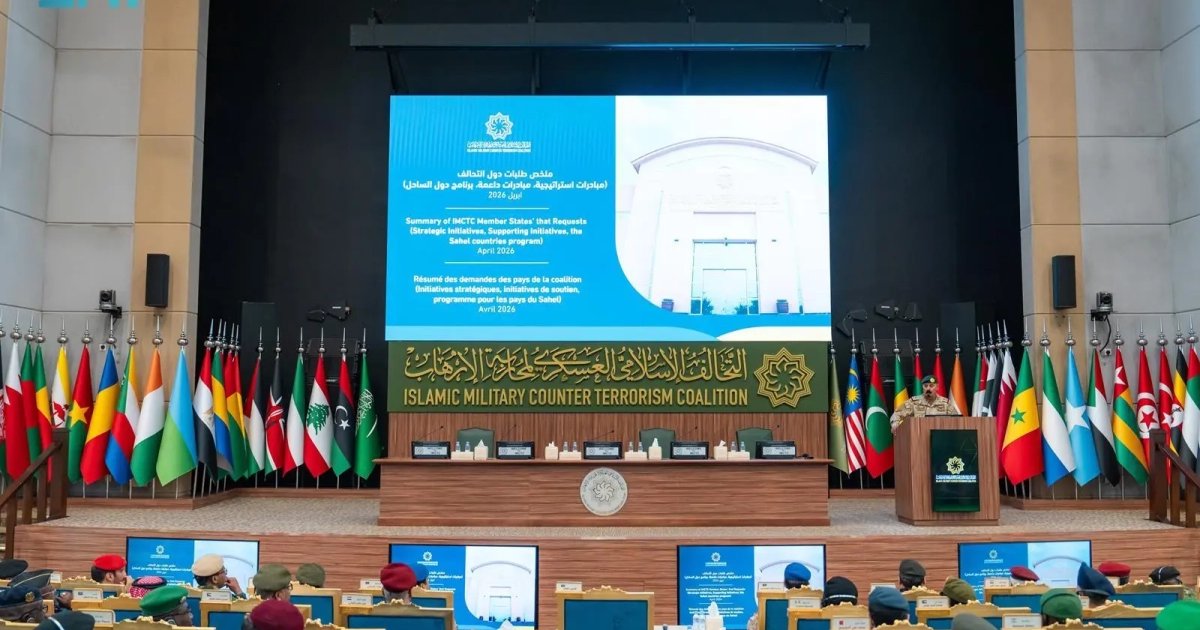
A coordinating meeting for the Islamic Coalition Against Terrorism took place on Sunday in the Saudi capital, Riyadh, where representatives from member states gathered to discuss initiatives scheduled for the second quarter of 2026. This meeting served as an opportunity to assess the progress made in implementing the approved strategies, which are based on four main pillars: ideology, media, financing counter-terrorism, and military aspects.
During the meeting, the Secretary-General of the Coalition, Lieutenant General Mohammed Al-Mughaidi, emphasized the importance of continuous coordination and consultation among member states to effectively confront terrorist challenges and enhance regional and international capabilities. The current performance of existing initiatives was reviewed, along with their performance indicators, focusing on key operational challenges and available opportunities to improve cooperation among member states.
Event Details
The meeting also addressed ways to develop specialized initiatives and expand training programs to enhance the capabilities of member states in areas such as preventing extremism, combating terrorism financing, improving military readiness, and supporting media efforts to counter extremist narratives. New proposals aimed at enhancing the effectiveness of the implementation of approved strategies were presented.
Moreover, the necessity of strengthening cooperation among member states and exchanging information and experiences to confront the increasing terrorist threats was underscored. Participants expressed their commitment to enhancing joint work and developing new mechanisms to address future challenges.
Background & Context
The Islamic Coalition Against Terrorism was established in 2015 and includes many Islamic countries aiming to enhance cooperation in combating terrorism and extremism. This meeting comes at a time when the world is witnessing a rise in terrorist activities, necessitating intensified joint efforts to combat this phenomenon.
Historically, Islamic countries have faced significant security challenges, with many experiencing internal and external conflicts that have led to the spread of terrorism. Therefore, the Coalition represents an important step towards enhancing security and stability in the region.
Impact & Consequences
These coordinating meetings are essential for developing effective strategies to combat terrorism, as they allow member states to exchange ideas and experiences. These initiatives are expected to contribute to enhancing regional security and reducing the risk of terrorism.
Furthermore, strengthening cooperation among member states could lead to improved effectiveness of military operations against terrorist groups, contributing to achieving stability in conflict-affected areas.
Regional Significance
In light of the security challenges facing many Arab countries, the Islamic Coalition Against Terrorism represents an important tool for enhancing regional cooperation. By exchanging information and experiences, Arab countries can work together to confront common threats.
In conclusion, the continuation of coordinating meetings and the development of joint initiatives is a positive step towards enhancing security and stability in the region, reflecting the commitment of member states to combat terrorism and extremism.