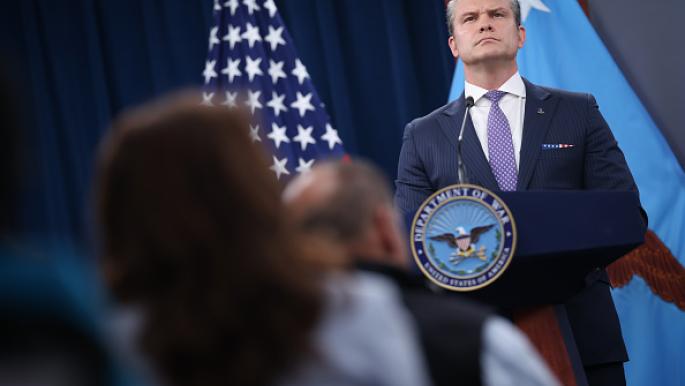
The U.S. House Republicans have scheduled a hearing for Secretary of Defense Pete Hegseth on April 29, marking the first congressional session since the onset of the U.S. war in Iran. This move is part of the Republicans' efforts to hold the administration accountable for its military strategy in the region, amidst rising tensions between the United States and Iran.
This session is seen as an opportunity for Congress to understand the military and political dimensions of the war, as Hegseth is expected to provide details on military objectives and future plans. The hearing is also anticipated to address the impact of this war on U.S. national security and international relations.
Details of the Hearing
This hearing comes at a time when the world is witnessing an escalation of military tensions, with growing fears of an intensifying conflict between the United States and Iran. Republicans have indicated that this session is part of their efforts to monitor the military activities and strategies adopted by the current administration.
The hearing is expected to include questions about how the war is being managed, the human and material costs involved, as well as its impact on relations with allies in the region. Intelligence reports regarding Iranian activities and their effects on regional security are also likely to be reviewed.
Background & Context
The U.S. war on Iran began in the context of rising tensions following the U.S. withdrawal from the Iranian nuclear deal in 2018. Since then, the region has seen an escalation in military activities, including attacks on oil facilities and military operations against Iranian-backed militias.
Historically, relations between the United States and Iran have been strained since the Iranian Revolution in 1979. These relations have seen numerous crises, including the hostage crisis of American citizens in Tehran, U.S. military operations in Iraq, and ongoing tensions surrounding the Iranian nuclear program.
Impact & Consequences
This hearing represents a crucial opportunity for Congress to understand how the war affects U.S. national security. It may also lead to changes in U.S. policy towards Iran, especially if new information or evidence supporting the need to alter the current strategy is revealed.
If the hearing results in increased pressure on the U.S. administration to change its policy, it could have significant implications for relations with allies in the region, including Gulf Arab states and Israel. It may also escalate tensions with Iran, increasing the likelihood of new conflicts.
Regional Significance
Arab countries are directly affected by the tensions between the United States and Iran, as these nations are part of the broader regional conflict. If the war continues or escalates, it could lead to serious repercussions for security and stability in the region.
The Gulf Arab states are among the most affected, as they rely on U.S. security to counter Iranian threats. Any escalation in the conflict could lead to an influx of refugees and increased sectarian tensions in the region.
In conclusion, this hearing represents a turning point in how Congress addresses the U.S. war on Iran and may open the door for broader discussions about U.S. foreign policy in the Middle East.