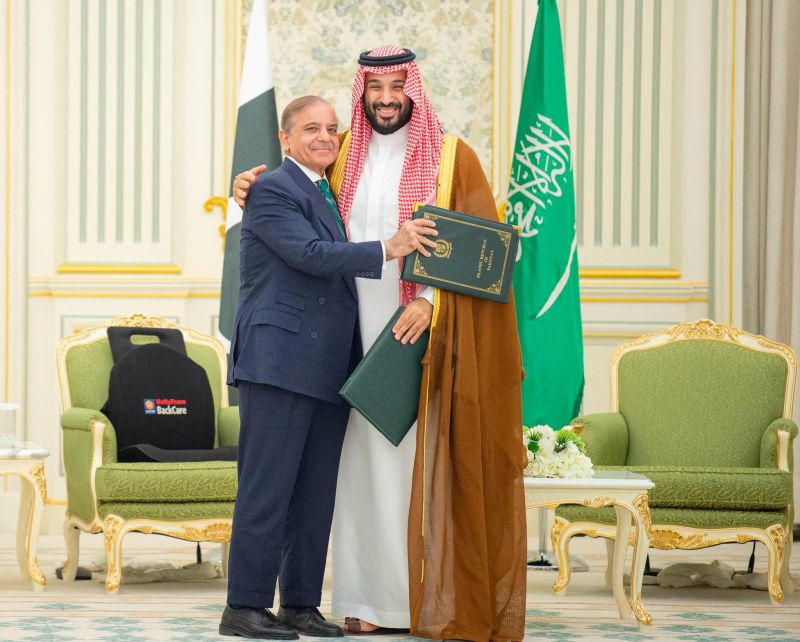
In a new step towards achieving peace in the Middle East, Pakistan, Saudi Arabia, Turkey, and Egypt held a joint meeting in Islamabad on Sunday, where the four countries discussed ways to end the ongoing war in the region early and permanently.
During a video statement, Pakistani Foreign Minister Ishaq Dar confirmed that all parties expressed confidence in the efforts being made to achieve this goal. He noted that the talks come at a sensitive time, as relations between the United States and Iran are experiencing increased escalation.
Details of the Meeting
Representatives from the four countries gathered in Islamabad, where key issues related to the conflict in the Middle East were addressed. The discussions focused on how to reduce tensions between Iran and the United States, which have significantly impacted the stability of the region.
The importance of regional cooperation in facing the security and economic challenges facing the concerned countries was also highlighted. Participants emphasized the need for collective action to achieve peace and stability in the region.
Background & Context
Historically, the Middle East has witnessed numerous armed conflicts, often resulting from political and religious tensions. The U.S.-Iranian war, which has been ongoing for years, has exacerbated humanitarian and economic conditions in many countries, including Iraq and Syria.
Pakistan, which has close ties with both Saudi Arabia, Turkey, and Egypt, is a key player in peace efforts. In recent years, there has been an increase in cooperation between these countries, especially in the fields of security and defense.
Impact & Consequences
If these talks succeed in producing positive outcomes, they could lead to a de-escalation in the region, contributing to improved humanitarian and economic conditions. Additionally, they could open doors for further cooperation between Arab and Islamic countries.
On the other hand, the failure of these talks could exacerbate conflicts and increase tensions, negatively impacting the stability of the entire region.
Regional Significance
This step is significant for the Arab world, as it could directly affect the security and stability of neighboring countries. The success of these talks could strengthen the position of Arab countries in facing regional and international challenges.
In conclusion, hopes remain high for the outcomes of these discussions, as everyone seeks to achieve lasting peace in a region plagued by ongoing conflicts.