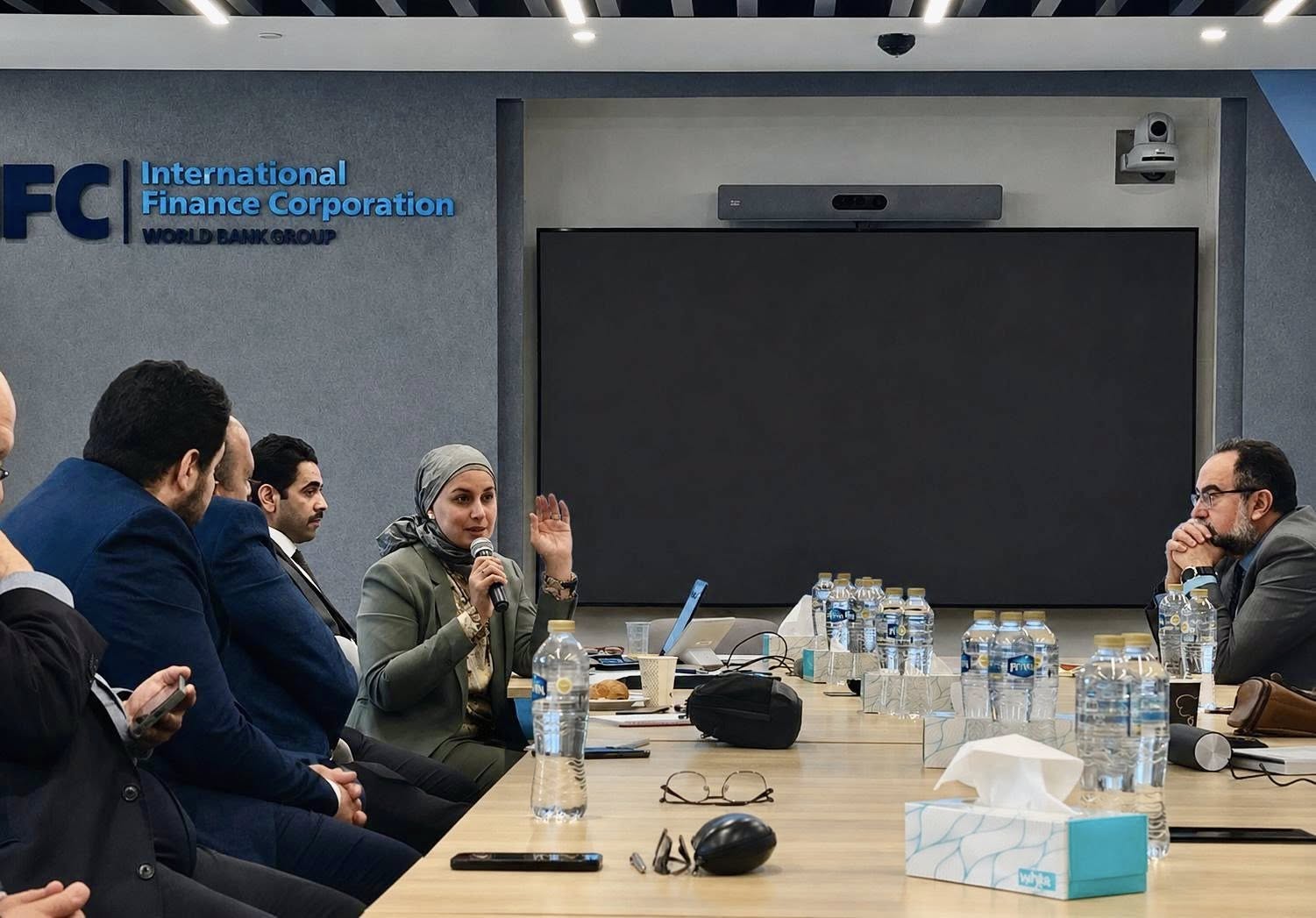
The Egyptian Ministry of Housing conducted an extensive roundtable to discuss the activation of performance measurement indicators and incentives related to the executive action plan for the national strategy for sustainable green urban development. This initiative aligns with the state's direction to accelerate the transition to green urbanism, following directives from Engineer Randa El-Manshawi.
Participants in the meeting included ministry leaders, representatives from the National Center for Housing and Building Research, and the International Finance Corporation, along with several real estate developers. This reflects the importance of collaboration among various entities to achieve the desired goals.
Event Details
Walid Abbas, one of the participants, emphasized that new cities represent a supportive environment for achieving sustainable development. He pointed out the importance of linking green projects with development plans and establishing a comprehensive plan to rationalize energy consumption and address climate change, in collaboration with development partners and the private sector.
For her part, Hind Farouh explained that the roundtable successfully achieved consensus on the proposed framework to ensure the rapid phased implementation of the strategy on the ground. A thorough review of the performance measurement indicators for the national strategy for green urbanism was conducted, along with discussions on the mechanisms for implementing and governing the incentive packages that support the application of green building standards.
Background & Context
This initiative comes at a time when Egypt is witnessing an increasing interest in green urbanism, which is one of the government's top priorities amid current environmental challenges. The government aims to achieve a balance between economic development and environmental protection, which requires effective strategies and clear performance indicators.
Green building is part of Egypt's Vision 2030, which aims to achieve sustainable development and enhance quality of life. This approach reflects the government's commitment to international standards in the field of sustainability.
Impact & Consequences
Activating performance indicators and incentives for green building is expected to encourage the private sector to adopt sustainable urban systems. Additionally, integrating international partners and real estate developers contributes to formulating flexible investment incentives that yield tangible economic returns.
These steps underscore the importance of cooperation between the government and the private sector to achieve environmental and economic goals, thereby improving the quality of life in Egyptian communities.
Regional Significance
Egypt's experience in transitioning to green urbanism serves as a model for the Arab region. Such initiatives can inspire other countries to adopt similar strategies, enhancing sustainable development efforts across the region.
In conclusion, this meeting represents a significant step towards achieving environmental and economic goals, reflecting the Egyptian government's commitment to transitioning towards a more sustainable future.