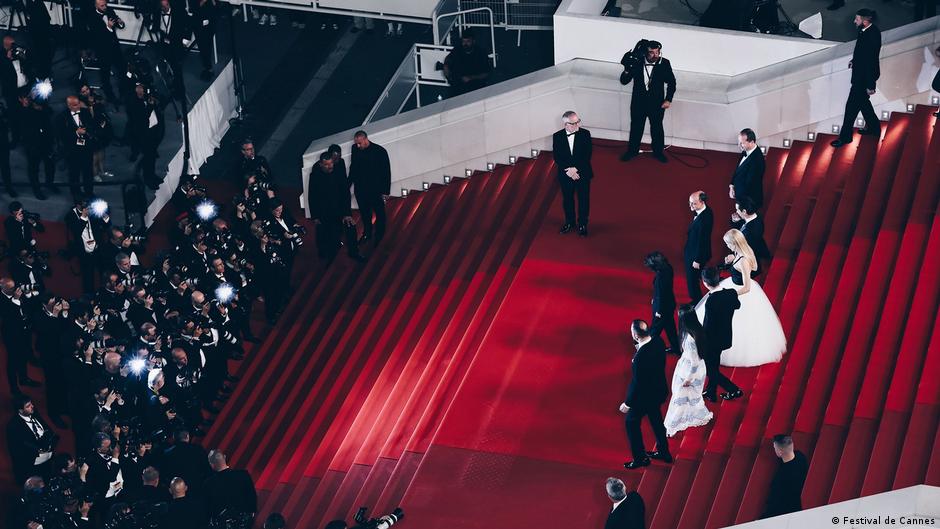
The Cannes Film Festival, one of the most prominent global cinematic events, will open on May 12, but this year it lacks the major American films that have traditionally been a core part of the event. With no standout presentations from Hollywood studios, a question arises about whether there is a mutual disregard between the festival and the American film industry.
Despite the absence of blockbuster films, there are some American works participating, such as the musical film "The Man I Love" directed by Ira Sachs, featuring star Rami Malek, along with James Gray's film "Paper Tiger," which stars Scarlett Johansson and Adam Driver. Additionally, John Travolta presents his directorial debut titled "Propeller One-Way Night Coach," which focuses on aviation.
Details of the Situation
This phenomenon is not limited to the Cannes Festival alone; the Berlin Film Festival in February also witnessed a notable absence of studio films, disappointing cinema enthusiasts. Festival director Tricia Tuttle noted that Hollywood studios have become more cautious about showcasing their big films at festivals, fearing negative reactions that could impact their box office revenues.
Studios are increasingly concerned that screening their films at festivals like Cannes and Berlin may lead to negative media coverage, as was the case with "Joker: Folie à Deux" at the Venice Festival, where it received harsh critical reviews, affecting its box office performance.
Background & Context
Historically, Cannes has been a major platform for independent films and creative directors, showcasing many works that highlight social and political issues. However, the absence of major American films this year reflects a shift in how studios approach festivals, as these events are increasingly seen as starting points for political discussions, which may negatively impact the reputation of the films.
This new dynamic illustrates how political climates can influence the film industry, with festivals becoming arenas for debates on issues such as Gaza, Trump, and Iran, potentially deterring studios from taking risks.
Impact & Consequences
Hollywood's absence from Cannes this year may redirect focus towards independent global cinema, with renowned directors like Asghar Farhadi and Pedro Almodóvar presenting new works. This shift presents an opportunity to highlight creative cinematic voices from around the world, enhancing the festival's importance as a platform for artistic cinema.
Nevertheless, the lack of major commercial films could diminish the festival's appeal to the general audience, who are accustomed to seeing stars and blockbuster films on the red carpet. This may lead to changes in how the festival is marketed in the future.
Regional Significance
This event underscores the changes in the global film industry and how political conditions influence studios' decisions on film presentations. The absence of Hollywood at Cannes may signal a broader trend affecting film festivals worldwide.
In conclusion, the evolving landscape of cinema, marked by political sensitivities and the rise of independent films, highlights the need for festivals to adapt to changing audience expectations and industry dynamics.