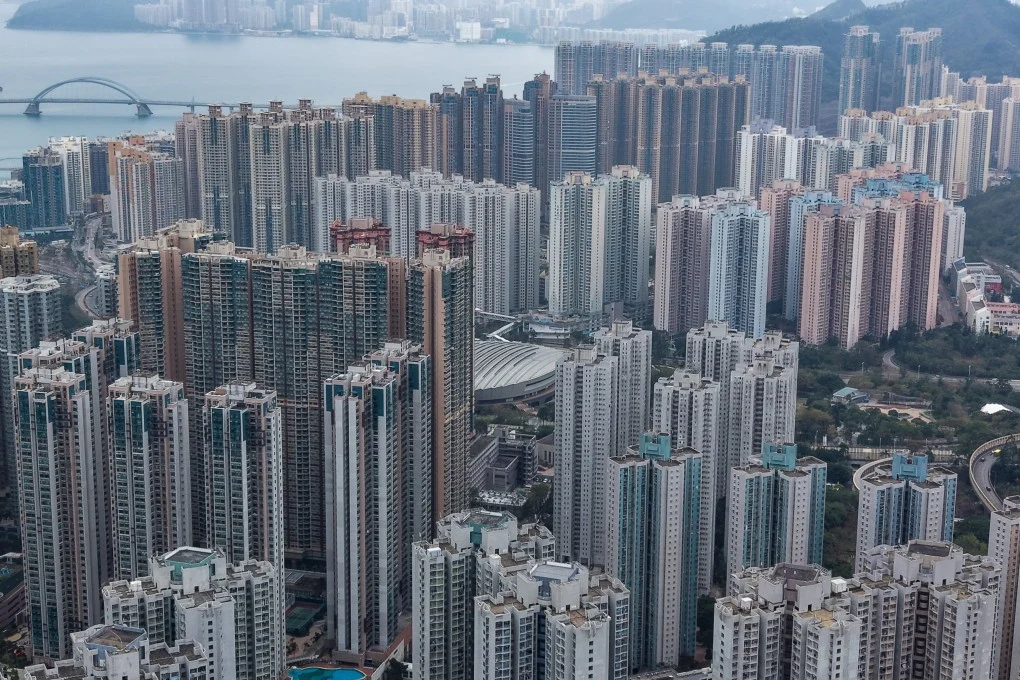
Hong Kong experienced an unprecedented surge in demand from homebuyers for new projects on Tuesday, with all residential units in the La Mira Belle development located in Tsueng Kwan O sold within just a few hours. This influx comes at a time when fears are rising regarding a slowdown in interest rate cuts, alongside increasing geopolitical tensions in the Middle East.
By 3:50 PM, reports indicated that all 254 residential units offered in the La Mira Belle project had been completely sold, reflecting a strong desire among buyers to invest in the real estate sector despite the volatile global economic conditions.
Event Details
The La Mira Belle project is a joint venture among several prominent real estate development companies, including Sino Group, Kerry Properties, K. Wah International, China Merchants Land, and MTR Corporation. The project is being developed in two phases, with each phase comprising a significant number of modern residential units.
This substantial demand for new units comes at a time when the real estate market in Hong Kong is experiencing fluctuations due to global economic changes, including concerns about rising interest rates and the impacts of geopolitical tensions in the Middle East.
Background & Context
Historically, the real estate market in Hong Kong is considered one of the most dynamic in the world. Over the years, the city has seen a significant increase in property prices, making it one of the most expensive cities to live in. However, economic and political changes, including the impacts of the COVID-19 pandemic, have significantly affected this market.
In recent years, there have been government attempts to stimulate the market through interest rate cuts and incentives for buyers. Nevertheless, concerns about a slowing global economy and geopolitical tensions have impacted investor confidence, making them more cautious in their purchasing decisions.
Impact & Consequences
The strong demand for the La Mira Belle project indicates a robust willingness among buyers to invest in real estate, even amid challenging economic conditions. This could signal stability in the real estate market in Hong Kong and may encourage developers to launch new projects in the future.
However, the continuation of geopolitical tensions and rising interest rates could affect the market moving forward. If these factors persist, we may witness new fluctuations in property prices, which could impact the decisions of investors and potential buyers.
Regional Significance
The geopolitical tensions in the Middle East are among the factors influencing global markets, including the real estate market in Hong Kong. These tensions may lead to fluctuations in oil prices and other resources, affecting the global economy as a whole.
Additionally, the stability of the real estate market in Hong Kong may have positive implications for Arab investors seeking investment opportunities in global markets. This demand for new projects in Hong Kong could encourage Arab investors to consider expanding their investments in Asian markets.
In conclusion, the significant demand for the La Mira Belle project in Hong Kong reflects a strong desire among buyers to invest in real estate, even in challenging economic conditions. However, the ongoing geopolitical tensions and rising interest rates may impact the market in the future.