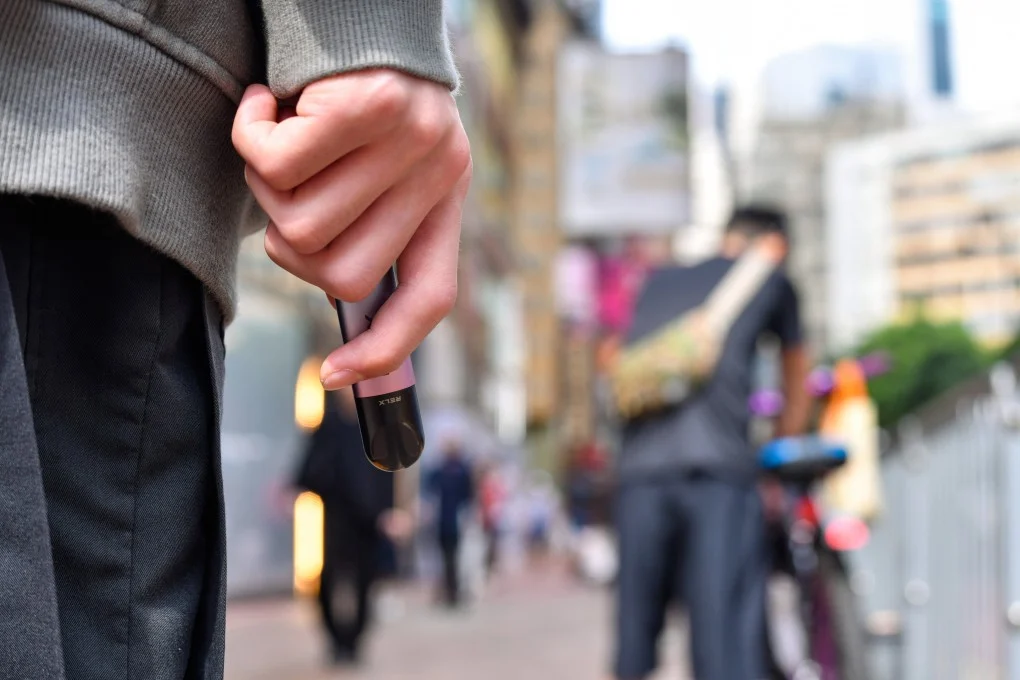
The Hong Kong government has announced a new ban on the possession of e-cigarettes, which has raised concerns among smokers in the city. Elios, a 22-year-old, began smoking at the age of 16 while studying in New Zealand, where smoking transitioned from a pastime to a daily habit to alleviate life's pressures.
Despite suffering from a lung collapse in 2020, Elios resumed smoking shortly after recovering. With rising tobacco taxes, he switched to using e-cigarettes as an alternative. However, after the ban on the sale of e-cigarettes in 2022, he was forced to reduce his consumption to one capsule every three days.
Details of the Ban
The new ban that has come into effect in Hong Kong aims to reduce e-cigarette consumption among young people. Many smokers have indicated that this decision may lead to an increase in the black market, as some will seek e-cigarettes through illegal means. Elios, like many young people, is concerned that this ban may force him to look for illicit ways to obtain what he needs.
The government, for its part, defends its decision, stating that the goal is to protect public health and reduce the number of smokers. However, many question the effectiveness of this ban in achieving its objectives, especially given the existence of illegal alternatives that may be more dangerous.
Background & Context
Historically, Hong Kong has been one of the leading cities in combating smoking, implementing numerous strict policies to reduce tobacco consumption. However, with the emergence of e-cigarettes, the government has begun to face new challenges. The sale of e-cigarettes was banned in 2022, sparking widespread debate over smokers' rights and freedom of choice.
In recent years, the number of young smokers in Hong Kong has increased, prompting the government to take stricter measures. However, some believe that these policies may lead to counterproductive outcomes, as the ban could push young people to experiment with unsafe alternatives.
Impact & Consequences
The potential consequences of this ban could be far-reaching. It is expected to lead to an increase in black market usage, which may heighten health risks. Smokers who rely on e-cigarettes as a means to quit smoking may find themselves in a difficult position. Furthermore, this ban could impact the local economy, as many stores depend on selling e-cigarettes as part of their business, potentially leading to job losses and increased economic pressure on small business owners.
As the situation evolves, it remains to be seen how the government will address the challenges posed by this ban and whether it will achieve its intended goals without unintended repercussions.
Regional Significance
This ban reflects new trends in public health policy and raises questions about the effectiveness of measures taken to combat smoking. It highlights the delicate balance between protecting public health and respecting individual freedoms, a challenge that many countries face today.
As Hong Kong navigates this complex issue, it may serve as a case study for other regions grappling with similar challenges in tobacco control and public health initiatives.