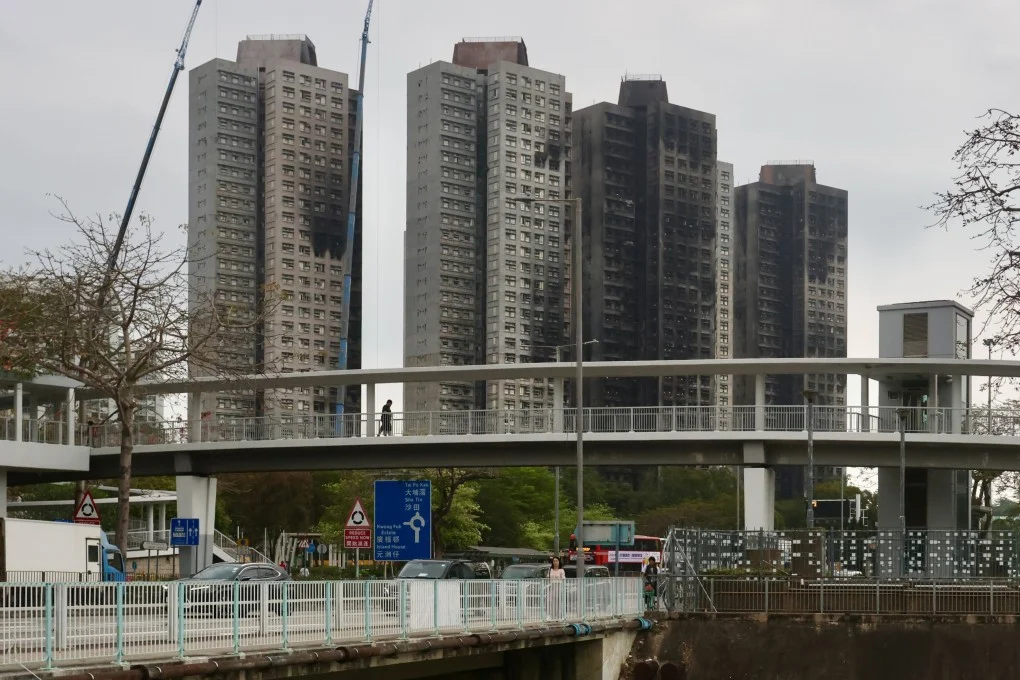
In a move that has sparked widespread debate, Hong Kong authorities have confirmed that the designated time of three hours for residents of the Wang Fuk complex to retrieve their belongings after a devastating fire is adequate. This statement was made by Deputy Secretary General Warner Chuk Wing-hing, who noted that each household can register up to four individuals to enter the building, but only one person will be allowed to access the severely damaged apartments due to safety concerns.
Chuk explained that this measure is aimed at protecting residents and ensuring their safety, as the time limit is set to facilitate the retrieval of belongings without endangering individuals. He also mentioned that there is a possibility for those needing a second entry to submit a special request.
Details of the Incident
The fire occurred at the Wang Fuk complex in the Kwun Tong district, resulting in the destruction of numerous apartments and causing significant property damage. The incident has raised concerns among residents who lost many of their possessions, prompting them to seek the recovery of what can be salvaged. However, the restrictions on the number of individuals allowed to enter the building have led to questions about the adequacy of the allotted time.
The current security measures allow only one person to enter the severely damaged apartments, which some consider insufficient given the extensive damage to the building. Many residents have expressed their dissatisfaction with these restrictions, believing that the designated time is not enough to retrieve all their belongings.
Background & Context
Historically, Hong Kong has witnessed numerous similar incidents, where older buildings are at risk of fire due to inadequate infrastructure. The fire at the Wang Fuk complex is not the first of its kind; the city has experienced similar accidents in past years, prompting authorities to adopt stricter measures to ensure resident safety.
Hong Kong is one of the most densely populated cities in the world, complicating matters in such incidents. The increasing population in urban areas necessitates swift and effective actions from authorities to protect citizens and provide them with a safe environment.
Impact & Consequences
This incident raises questions about how authorities manage crises, especially under the difficult circumstances faced by residents. The limited timeframe for retrieving belongings may exacerbate the psychological and social conditions of affected residents, prompting the government to reconsider its policies.
Furthermore, this incident could impact Hong Kong's reputation as a safe place to live and invest, as investors look for stable and secure environments. Any shortcomings in crisis management may lead to a decline in public trust in the government.
Regional Significance
Fire incidents and humanitarian crises are issues of concern for all nations, including Arab countries. Effectively managing crises is essential for ensuring citizen safety, and this is a lesson that Arab nations facing similar challenges should take to heart.
Moreover, international cooperation in crisis management can enhance emergency response capabilities in the Arab region, improving governments' ability to handle disasters more effectively.