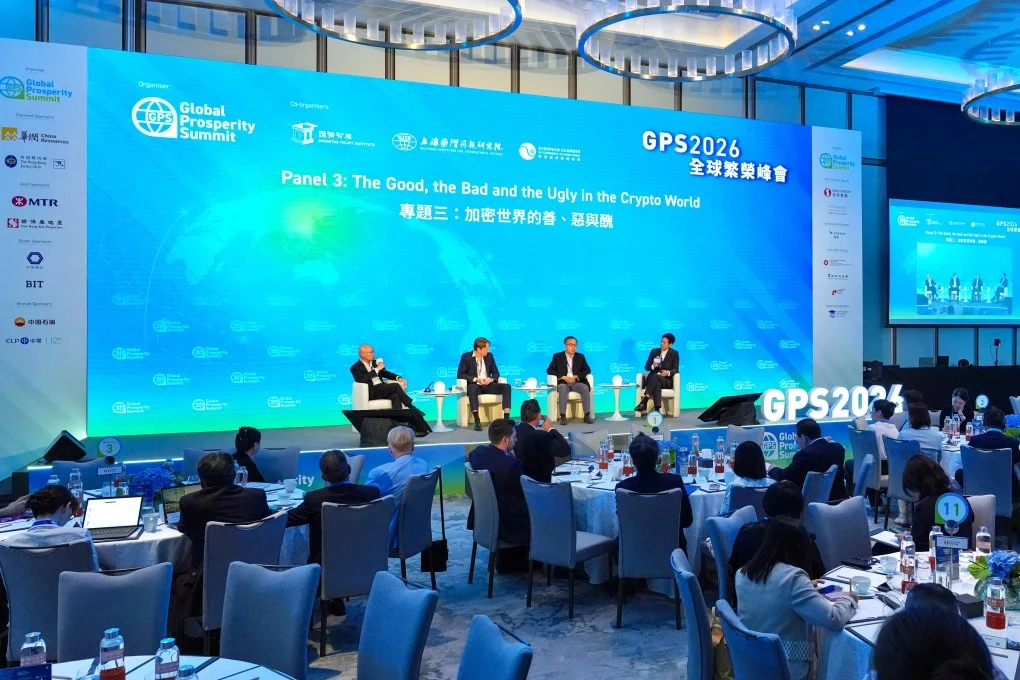
Hong Kong's Finance Secretary, Christopher Hui Ching-yu, emphasized that gold could act as a potential 'bridge' between traditional and new forms of finance. He pointed out the necessity for the city to provide more opportunities for the growth of the digital asset market during a press conference on Wednesday.
Hui clarified that Hong Kong has opted not to establish a separate regulatory body for digital assets, highlighting the 'convergence' between traditional finance and innovative finance. This decision reflects the city's approach to integrating digital assets within the existing financial system rather than isolating them.
Event Details
During the conference, Hui discussed the significance of gold as a traditional investment tool, noting its potential role in facilitating the transition to digital assets. He affirmed that gold continues to maintain its status as a safe haven for investors, making it an attractive option amid global economic fluctuations.
The minister also mentioned that Hong Kong aims to become a leading hub for digital assets, focusing on innovation and technology. He pointed out that the government is working on developing a regulatory framework that supports this growth while ensuring market integrity and investor protection.
Background & Context
Historically, Hong Kong has been an important financial center in Asia, enjoying a flexible regulatory environment that attracts investors. With the growing interest in digital assets, many countries worldwide have begun re-evaluating their financial strategies. In this context, Hong Kong seeks to enhance its position by integrating digital assets into the traditional financial system.
In recent years, the global financial market has experienced a significant shift towards digital assets, prompting many governments to consider how to regulate this sector. Hong Kong, with its long history of financial innovation, hopes to be at the forefront of this transformation.
Impact & Consequences
The decision by Hong Kong not to create a separate regulatory body for digital assets may enhance confidence in the financial market, potentially attracting more investments. This trend could contribute to improving the business environment and strengthen the city's competitiveness on both regional and international levels.
On the other hand, investors may face new challenges related to compliance with existing laws, requiring them to have a deep understanding of how digital assets operate within the traditional financial framework. This situation may open the door for further innovation, but it also necessitates increased education and awareness.
Regional Significance
In the Arab region, Hong Kong's experience could serve as a model for integrating digital assets into the traditional financial system. Many Arab countries have already begun exploring digital assets, paving the way for increased collaboration between the public and private sectors.
Moreover, promoting the use of gold as an investment tool could have a positive impact on Arab markets, where gold is considered an essential part of the investment culture in many countries. This trend could contribute to enhancing financial stability in the region.