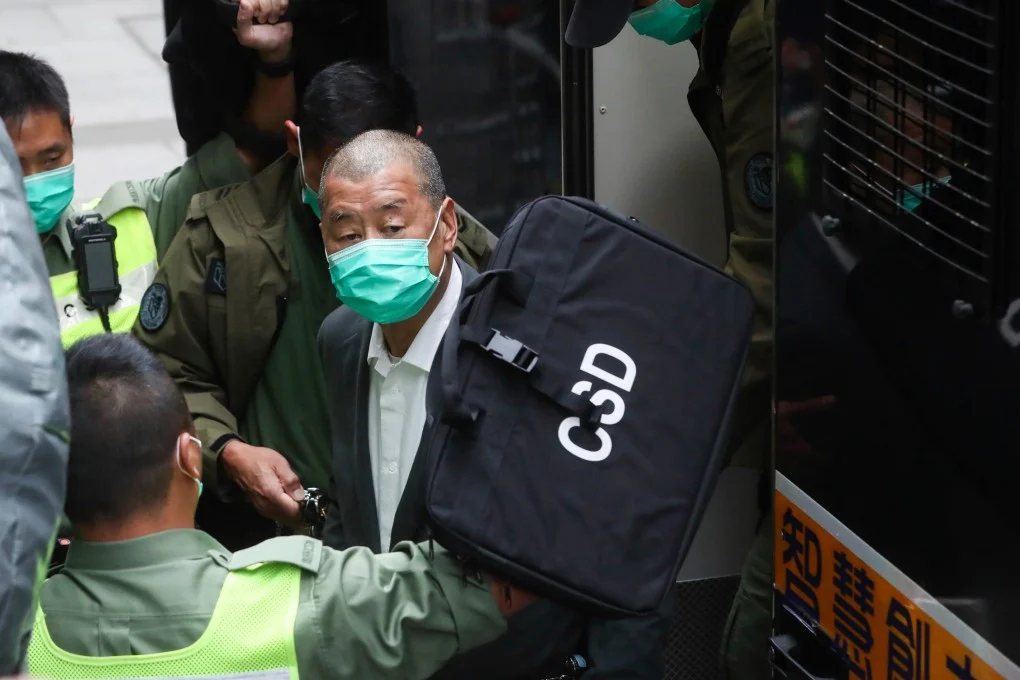
The Hong Kong government has filed a request to seize assets associated with crimes committed by Jimmy Lai, the founder of Apple Daily, in accordance with the city's national security laws. This request is part of the government's efforts to enhance national security and prevent activities that may threaten the stability of the country. The request has been submitted to the First Instance Court, where a government spokesperson confirmed that this action aims to achieve significant objectives related to national security.
Jimmy Lai is 78 years old and was previously sentenced to prison for violations related to national security. Lai is a prominent figure in the media, having founded Apple Daily, which was known for its sharp criticism of the Chinese government. With the closure of the newspaper in 2021, Lai has become a symbol of opposition to the government in Hong Kong.
Details of the Request
The request submitted by the government includes the seizure of properties related to Jimmy Lai and comes at a sensitive time as international pressure on the government regarding human rights and civil liberties in Hong Kong increases. This action was taken under laws that were amended following the widespread protests that occurred in the city in 2019.
The government aims to send a clear message that any activity deemed a threat to national security will not be tolerated. This request has elicited mixed reactions among citizens, with some viewing it as a necessary step to protect security, while others consider it a violation of individual rights.
Background & Context
The history of Hong Kong is marked by tensions between the government and citizens, especially following the city's return to Chinese sovereignty in 1997. Since then, Hong Kong has undergone significant transformations in its political and social systems. The protests that erupted in 2019 against a proposed extradition bill to China led to radical changes in how the government manages security.
The national security laws passed in 2020 aimed to enhance control over political and social activities in the city, raising international concerns about human rights. These laws have been used against many public figures and activists, resulting in their arrest and prosecution.
Impact & Consequences
This move by the government is seen as an indication of the ongoing campaign against dissent in Hong Kong. The seizure of Jimmy Lai's assets may pave the way for further actions against other figures in civil society and the media. Additionally, this action could lead to a deterioration of relations between Hong Kong and Western countries, which are closely monitoring the situation.
These events are expected to affect citizens' sentiments towards the government, as many feel that their rights and freedoms are under threat. This could lead to further protests and resistance, complicating the political situation in the city.
Regional Significance
The events in Hong Kong hold particular significance for the Arab region, as they reflect the challenges faced by societies in confronting authoritarian regimes. The experiences in Hong Kong may serve as a lesson for Arab countries suffering from repression of freedoms, potentially inspiring citizens to demand their rights.
Given the current circumstances, Arab countries should closely monitor the situation in Hong Kong, as any changes in policies could impact international relations and trade in the region.