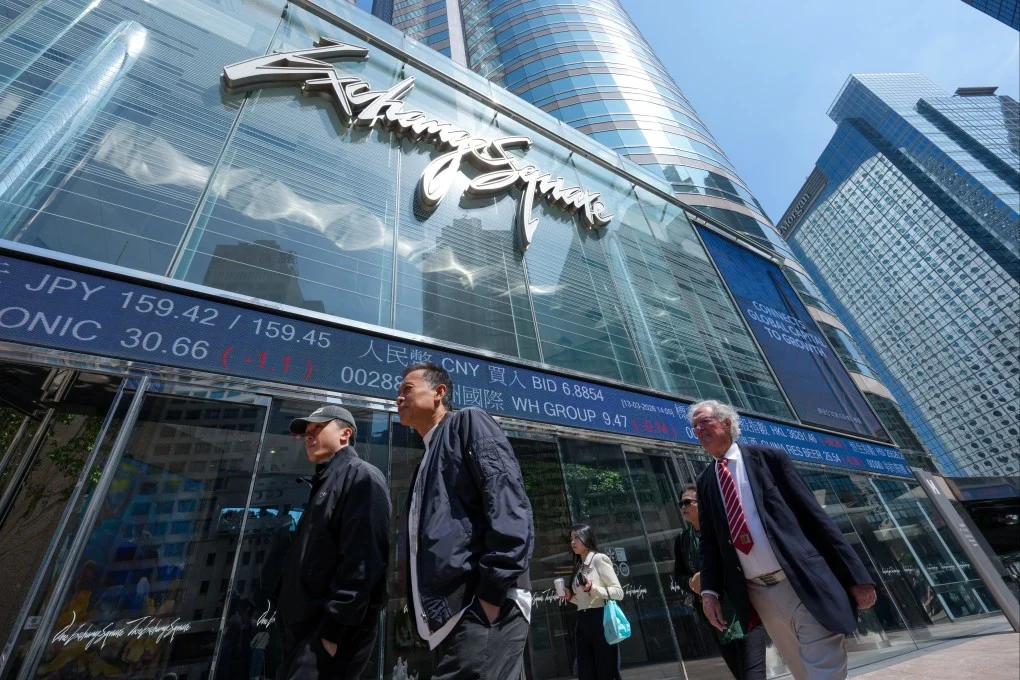
Hong Kong's Financial Secretary, Paul Chan Mo-po, reported that the city's economy demonstrated remarkable resilience in the first quarter of 2026, despite market fluctuations and the impact of conflicts in the Middle East. Continuous growth in the Chinese economy has bolstered Hong Kong's performance, allowing it to leverage the current situation to reaffirm its status as a global destination.
In a comprehensive review of Hong Kong's economic health during the first three months of this year, Chan confirmed that the city managed to overcome challenges posed by global conditions, including disruptions in financial markets. He noted that the strong performance of the Chinese economy played a key role in supporting Hong Kong's stability.
Event Details
Chan explained that the local economy witnessed significant growth, as business activities continued to recover, contributing to increased investor confidence. He also pointed out that the government is working to enhance economic policies that support sustainable growth and create a conducive investment environment.
Despite the challenges facing global markets, including the ongoing conflict in the Middle East, Hong Kong has managed to maintain its economic stability. Government policies have contributed to enhancing the city's competitiveness in global markets.
Background & Context
Historically, Hong Kong is considered one of the world's leading financial centers, benefiting from a strategic location that connects East and West. The city has undergone significant economic transformations over the years, especially after its return to China in 1997. Since then, Hong Kong has worked to strengthen its position as a global financial and commercial hub.
In recent years, Hong Kong has faced several challenges, including political protests and global economic crises. However, the continuous growth of the Chinese economy has supported Hong Kong's stability, enabling it to adapt to changing circumstances.
Impact & Consequences
An analysis of the economic situation in Hong Kong indicates that the city may be well-positioned to benefit from the ongoing growth of the Chinese economy. As transformations in global markets continue, Hong Kong may remain an attractive center for investors, enhancing its ability to face future challenges.
Additionally, Hong Kong's economic stability could have a positive impact on regional markets, potentially boosting confidence in Asian markets overall. This could help attract more investments to the region, further enhancing economic growth.
Regional Significance
Hong Kong is an important commercial hub for many Arab countries, maintaining strong trade relations with Gulf Cooperation Council (GCC) nations. As Hong Kong's economic growth continues, trade opportunities between the two sides may increase, enhancing economic cooperation.
Moreover, Hong Kong's stability could positively influence Arab investments in the region, leading to an increased flow of investments into Asian markets, thereby boosting economic growth in Arab countries.
In conclusion, the strong performance of Hong Kong's economy in the first quarter of 2026 reflects the city's ability to adapt to global challenges. With the continued growth of the Chinese economy, Hong Kong may remain an important center for investment and trade in the future.