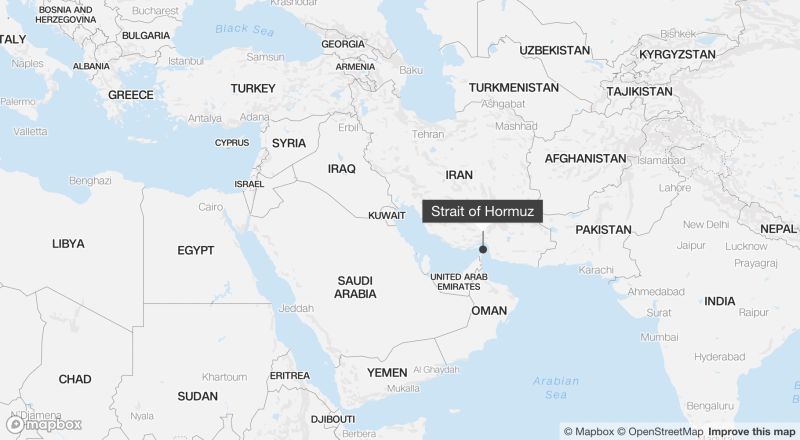
A report issued by the State-Owned Enterprises Research Group at the University of Indonesia (LM FEB UI) indicates that the anticipated geopolitical crisis in the Hormuz Strait in 2026 will serve as a true test of the resilience of many Indonesian state-owned enterprises. The findings show that the impact of this crisis will be uneven, with some companies facing negative repercussions while others stand to gain from the expected rise in energy prices.
Toto Pranoto, managing partner at the research group, explained that the companies most affected are those heavily reliant on importing energy and raw materials from abroad. For instance, the national energy company, Pertamina, is under significant pressure due to rising oil import costs, while the national electricity company, PLN, is facing challenges related to dollar-denominated contracts.
Details of the Event
The study titled "The Resilience of State-Owned Enterprises Against Geopolitical Risks: Stress Testing for the 2026 Hormuz Strait Crisis" provides a comprehensive analysis of the crisis's effects. The results indicate that companies dependent on energy imports will encounter greater challenges, whereas others, such as coal and palm oil exporters, may benefit from rising global prices.
For example, Bukit Asam is one of the companies that has reported profits due to the increase in coal prices, while palm oil companies have seen a boost in their competitiveness due to rising oil prices. Additionally, mining companies like Freeport Indonesia have benefited from the surge in metal prices, including copper and gold.
Background & Context
Historically, the Hormuz Strait is one of the world's most crucial maritime passages, through which approximately 20% of the world's oil passes. Any crisis in this strait directly impacts energy prices in global markets. In recent years, the region has experienced increasing geopolitical tensions, heightening the risks associated with energy supply.
Concerns are growing that any escalation of conflicts in the region could lead to a significant spike in oil prices, which would adversely affect the Indonesian economy, heavily reliant on energy imports. The report indicates that the Indonesian government needs to take proactive steps to mitigate the potential impacts of this crisis.
Impact & Consequences
The study suggests that rising oil prices could increase pressure on the state budget, with prices potentially exceeding $90 per barrel, thereby escalating government subsidy costs. This increase is expected to place additional financial burdens on the government, necessitating urgent measures to alleviate its effects.
The study recommends a range of actions that can be taken in both the short and long term, including diversifying oil supply sources and increasing strategic reserves. It also emphasizes the importance of improving coordination mechanisms among state-owned enterprises to ensure maximum utilization of available resources.
Regional Significance
The Hormuz Strait crisis poses a significant threat to Arab countries that rely on oil exports, as any escalation in tensions could affect oil prices and lead to market volatility. Arab nations need to enhance their strategies to deal with geopolitical crises to ensure the stability of their economies.
In conclusion, it is evident that the anticipated crisis in the Hormuz Strait will serve as a true test of the resilience of state-owned enterprises, necessitating effective strategies to mitigate its negative impacts.