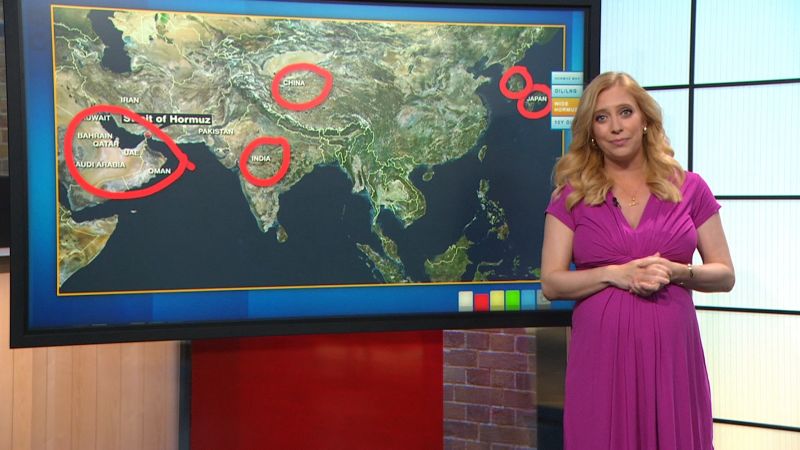
The Hormuz Strait has emerged as a pivotal point in the escalating conflict between the United States and Iran, where military threats from Washington are increasing amid ongoing ceasefire discussions. Reports indicate that President Donald Trump is linking any settlement to the reopening of the strait, making it a fundamental condition for achieving peace in the region.
Contradictory statements about the future of the war continue to surface, as Trump oscillates between threats of military intervention in Iran and discussions of potential negotiations. Axios reported that U.S. and Iranian officials have begun discussing a possible ceasefire agreement in exchange for reopening the Hormuz Strait, reflecting the significance of this waterway in any future settlement.
Details of the Event
Earlier, U.S. Vice President J.D. Vance held talks with mediators, conveying a message to Iran that Trump's patience is running thin. Sources confirmed that Vance is playing an increasingly prominent role in mediation efforts, having been tasked with informing the Iranians through indirect channels that Washington is prepared to cease hostilities on the condition that certain demands are met, including the reopening of the Hormuz Strait.
Trump, who previously threatened to bomb Iranian infrastructure, has postponed military strikes until early April, hoping that ongoing communications will lead to a diplomatic exit. In contrast, White House officials have stated that Trump will provide a comprehensive update on the status of the war in Iran, emphasizing that the United States will not consider a ceasefire unless the strait is open to navigation.
Context and Background
Historically, the Hormuz Strait is one of the most important waterways in the world, through which approximately 20% of the world's total oil passes. The strait has witnessed increasing tensions in recent years, particularly following the U.S. withdrawal from the Iranian nuclear deal in 2018. Since then, the intensity of the conflict between Tehran and Washington has escalated, leading to mutual threats and military operations in the region.
In this context, European nations are playing a cautious role in attempting to contain the repercussions of the strait's closure, with Britain hosting a remote meeting to discuss diplomatic options and potential measures against Iran. There are also concerns that any escalation in the conflict could impact global energy markets.
Consequences and Impact
Fears are mounting that the continued closure of the Hormuz Strait could disrupt energy flows, potentially negatively affecting the global economy. At the same time, Iran is seeking to assert its position by exchanging messages with Washington, with Iranian Foreign Minister Abbas Araghchi stating that negotiations have not yet begun and that what is taking place is merely a message exchange.
On the other hand, Israel is pushing the United States to carry out a military operation against Iran before entering into any negotiations, fearing that any settlement could strengthen Tehran's position in the region.
Impact on the Arab Region
Arab countries are directly affected by the rising tensions in the Hormuz Strait, as many of these nations rely on oil passing through the strait. Any escalation in the conflict could lead to rising oil prices, impacting the economies of these countries. Furthermore, any potential ceasefire agreement could alter the balance of power in the region, necessitating close monitoring by Arab nations.
In conclusion, the Hormuz Strait appears to be a major focal point in the conflict between Washington and Tehran, where military threats intertwine with diplomatic mediation efforts. The question remains: will reopening the strait be the key to ending the war and achieving peace in the region?