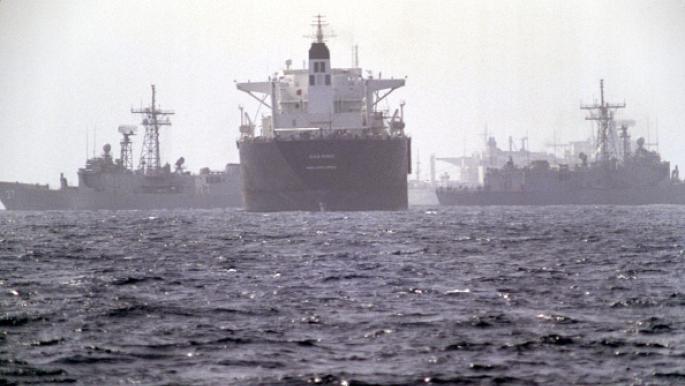
Ship owners in the Strait of Hormuz are rapidly seeking to understand the details of the ceasefire agreement reached between the United States and Iran, which could lead to the temporary reopening of the strait. The Strait of Hormuz is one of the most important maritime passages in the world, through which a significant percentage of global oil flows.
These developments come at a time when the world is witnessing increasing tensions among major powers, which heightens the significance of this agreement. Many ship owners have expressed concern over the potential impacts on navigation, especially with hundreds of ships waiting to cross.
Details of the Agreement
The United States and Iran announced a ceasefire agreement, marking an important step towards de-escalating tensions in the region. The agreement includes several provisions aimed at enhancing security in the Strait of Hormuz, which could contribute to stabilizing maritime navigation. Many ship owners are eagerly awaiting details of this agreement, as they seek to understand how it will affect their commercial operations.
The Strait of Hormuz is a vital transit point for oil, with approximately 20% of the world's total oil passing through it. Therefore, any changes in the security situation there could significantly impact oil prices and global markets.
Background & Context
Historically, the Strait of Hormuz has experienced numerous crises and tensions, particularly between Iran and the United States. Since 2018, tensions have escalated notably following the U.S. withdrawal from the nuclear agreement with Iran. This withdrawal led to the imposition of strict economic sanctions on Iran, intensifying the tensions in the region.
In recent years, the area has seen several maritime incidents, including attacks on oil tankers, raising significant concerns about the safety of navigation in the strait. The recent agreement may represent a glimmer of hope in alleviating these tensions, but the question remains about its sustainability.
Impact & Consequences
If the ceasefire agreement is effectively implemented, it could lead to greater stability in maritime navigation, positively affecting oil prices and global markets. Additionally, stability in the Strait of Hormuz could enhance opportunities for economic cooperation among the involved countries.
However, there remains concern that any violation of the ceasefire could lead to a new escalation of tensions, negatively impacting the global economy. Therefore, close monitoring of the implementation of this agreement will be essential.
Regional Significance
The Gulf Arab states are among the most affected by developments in the Strait of Hormuz, as their economies heavily depend on oil exports. Any changes in the security situation there could impact the stability of these countries.
Moreover, stability in the Strait of Hormuz could enhance cooperation among Arab countries in trade and energy sectors, potentially contributing to economic growth in the region. At the same time, Arab nations must be prepared to deal with any unexpected developments that may affect their security and stability.
In conclusion, the ceasefire agreement between the United States and Iran represents an important step towards alleviating tensions in the Strait of Hormuz. However, the greatest challenge remains ensuring the sustainability of this agreement and achieving stability in the region.