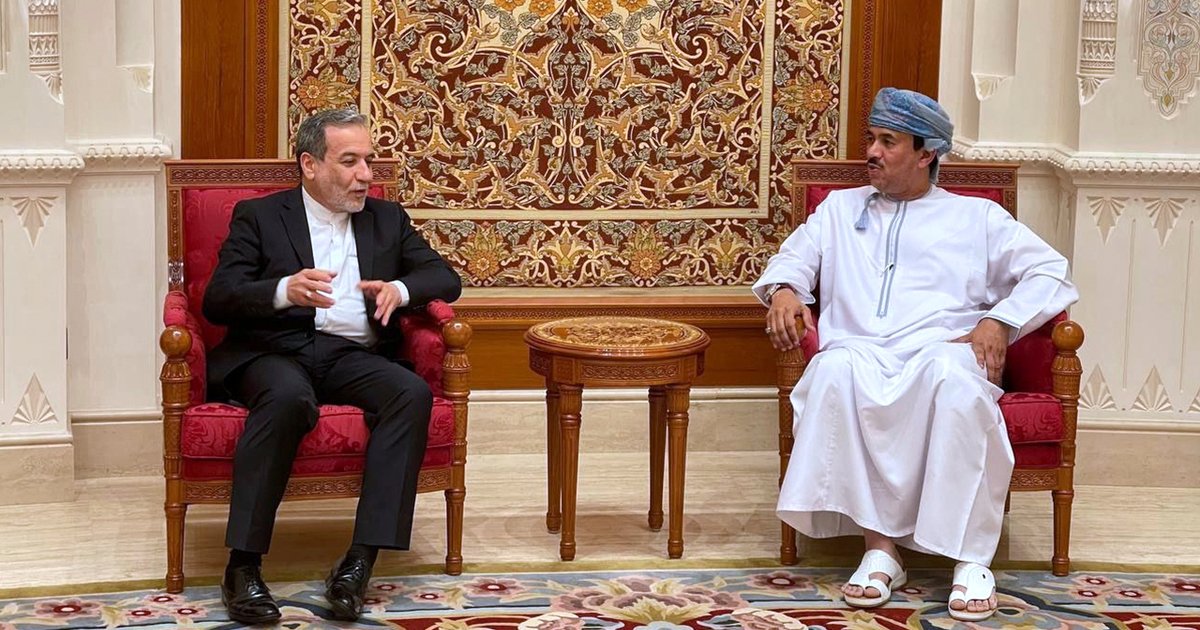
In a move that reflects the dynamic changes in regional politics, Islamabad has been selected to host negotiations between Iran and the United States. This decision comes at a sensitive time marked by escalating tensions in international relations, highlighting Pakistan's role as a key mediator in this issue.
Islamabad is considered a strategic meeting point, bringing together the interests of major powers in the region. A Pakistani military official indicated that this choice reflects the growing confidence in Pakistan's ability to facilitate dialogue between the conflicting parties.
Details of the Event
The negotiations scheduled to take place in Islamabad aim to address the outstanding issues between Iran and the United States, including the Iranian nuclear program and the sanctions imposed on Tehran. The date for the negotiations has been set for later this month, with representatives from both sides expected to attend, along with international mediators.
These negotiations follow a series of informal talks that took place in recent months, which demonstrated both parties' willingness to reach compromises. Iran has shown readiness to return to the negotiating table, while the United States seeks to make progress on its nuclear file.
Background & Context
Historically, Pakistan has played an important role in regional politics, always striving to maintain balanced relations with its neighbors. Recent years have seen a rise in tensions between Iran and the United States, especially after Washington's withdrawal from the nuclear agreement in 2018.
Pakistan is one of the few countries that maintains good relations with both parties, making it an ideal location to host such negotiations. The Pakistani government has expressed its readiness to provide the necessary support to facilitate dialogue between the two sides.
Impact & Consequences
If the negotiations succeed in making progress, it could lead to a de-escalation of tensions in the region, positively impacting security and stability. Additionally, the success of these negotiations could open the door for improved relations between Iran and Western countries, enhancing Pakistan's position as a reliable mediator in regional issues.
On the other hand, if the negotiations fail, it could lead to an escalation of tensions, negatively affecting regional security and intensifying existing conflicts. Therefore, the outcomes of these negotiations will have wide-ranging implications for the entire region.
Regional Significance
The developments between Iran and the United States are of great importance to the Arab region, as any changes in relations between these two parties could affect many Arab countries. Gulf states, for instance, are closely monitoring the results of these negotiations, as any agreement could impact the stability of the region.
Moreover, Iranian-American relations play a pivotal role in the ongoing conflicts in Iraq, Syria, and Lebanon, making it essential to closely follow these negotiations. If successful, they could help calm the situations in these countries, while failure could exacerbate the crises.
In conclusion, hope remains that these negotiations will yield positive results, contributing to peace and stability in the region. Pakistan's role as a mediator in these negotiations could open new avenues for regional and international cooperation.