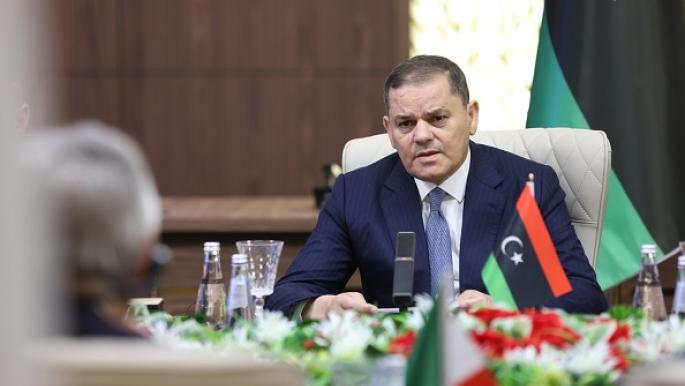
The U.S. Embassy in Tunisia hosted a meeting today between representatives of the Libyan National Unity Government and the so-called 'General Command' of Haftar's forces. This gathering comes at a sensitive time for Libya, as various parties strive to make progress in a political process that has been fraught with complexity and tension.
These negotiations coincide with rising tensions in the country, as each side seeks to strengthen its position in the political arena. This meeting is considered an important step towards achieving stability in Libya, which has been deeply divided since the overthrow of Muammar Gaddafi in 2011.
Details of the Meeting
This round of negotiations is part of international and local efforts aimed at ending the ongoing conflict in Libya, which has led to widespread chaos and a deterioration of humanitarian conditions. There is significant hope that these meetings will contribute to reaching a consensus among the conflicting parties.
It is worth noting that the National Unity Government, led by Abdul Hamid Dbeibeh, faces major challenges in managing the country, while the 'General Command', led by Khalifa Haftar, controls vast areas of eastern Libya. This meeting presents an opportunity to bridge the gap between the two sides, despite the difficulties that negotiations may encounter.
Background & Context
Since the overthrow of Gaddafi, Libya has witnessed multiple conflicts among armed factions, resulting in the country being divided into two competing governments. The National Unity Government in the west and the 'General Command' in the east have complicated peace efforts.
It is important to highlight that the international community, including the United States, has played a significant role in attempting to resolve the Libyan conflict, as major powers seek to achieve stability in the region, which is deemed essential for regional security.
Impact & Consequences
If these negotiations succeed, they could lead to improvements in the economic and humanitarian conditions in Libya, which is suffering from a severe shortage of resources and basic services. Achieving peace may also open the door for new international investments, contributing to the country's reconstruction.
However, failure of the negotiations could escalate the conflict, increasing civilian suffering and complicating international efforts. Therefore, the success of this meeting is considered vital for achieving stability in Libya.
Regional Significance
Libya is a pivotal point in North Africa, and any political changes there could impact neighboring countries. Stability in Libya is essential for security in the region, as chaos could lead to an influx of migrants and increased activity from armed groups.
Moreover, successful negotiations could encourage other countries in the region to take similar steps towards dialogue and negotiation to resolve conflicts, enhancing the prospects for peace in the Middle East and North Africa.
The meeting held at the U.S. Embassy in Tunisia represents an important step towards achieving peace in Libya. However, significant challenges remain, and continuous efforts from all parties involved are required to achieve the desired stability.