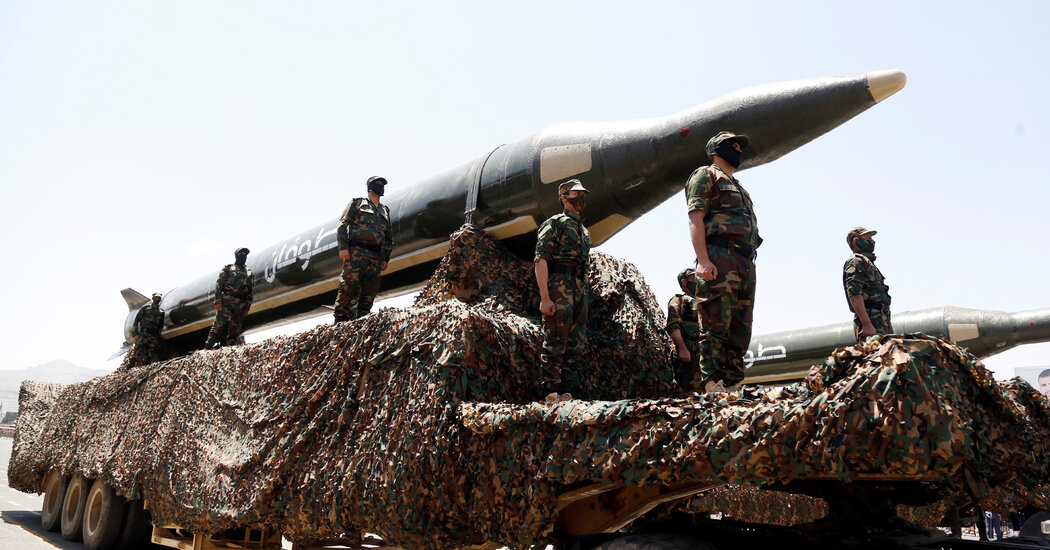
The city of Eilat, located in southern Israel, was targeted by the Houthi group (Ansar Allah), which launched drones and missiles from Yemen. The Israeli military confirmed that it managed to intercept two drones within one hour, while sirens were sounding in the area as a warning of any potential infiltration.
At the same time, Israeli Channel 12 reported that the area was subjected to missile and drone attacks, a claim also corroborated by the Israeli news site "Walla." Additionally, the newspaper Yisrael Hayom noted that explosions were heard in the Gulf of Eilat coinciding with the interception of one of the drones, without providing further details regarding damages or injuries.
Details of the Incident
In a related context, the Houthi group had previously announced the execution of two operations involving missiles and drones targeting vital Israeli occupation sites in southern occupied Palestine. The group confirmed that it would continue to carry out more attacks in support of the resistance fronts in Palestine, Lebanon, and Iran, raising concerns about escalating tensions in the region.
The UN Special Envoy to Yemen, Hans Grundberg, condemned the Houthis' decision to engage in the regional war, expressing deep concern over the implications of this escalation. In a statement, he indicated that this escalation could drag Yemen into a broader conflict, complicating the resolution of the dispute, deepening economic crises, and prolonging the suffering of civilians.
Background & Context
This escalation comes at a time when the conflict between Israel and Iran is witnessing a notable increase, with groups loyal to Tehran from Lebanon, Iraq, and Yemen intervening in the confrontation. The Houthis, who are considered part of the Iranian axis, are seeking to strengthen their position by executing attacks on Israeli targets, further complicating the regional situation.
The United Nations, through statements from the spokesperson for the Secretary-General, Stéphane Dujarric, warned that Houthi attacks on Israel could lead to further escalation in the conflict. Dujarric urged the Houthis to refrain from using missiles and drones, emphasizing the necessity of respecting international law.
Impact & Consequences
The Houthi escalation in attacks on Israel may provoke military responses from Tel Aviv, potentially intensifying the conflict in the region. Furthermore, the continuation of such attacks could contribute to escalating tensions between regional powers and increase the likelihood of new conflicts erupting in other areas.
This escalation also reflects the challenges faced by the United Nations in its efforts to resolve the conflict in Yemen, as fears grow that the regional war could exacerbate humanitarian and economic crises in the country. It is crucial for the involved parties to remain committed to dialogue and diplomacy to avoid further escalation.
Regional Significance
This development is part of a series of events reflecting the increasing tensions in the region, where local conflicts intersect with regional and international agendas. The Houthis' involvement in the regional war may open the door to new escalations and complicate the security situation in the Middle East.
In conclusion, the current situation in the region requires close monitoring by the international community, as any further escalation could have serious repercussions on security and stability throughout the region.