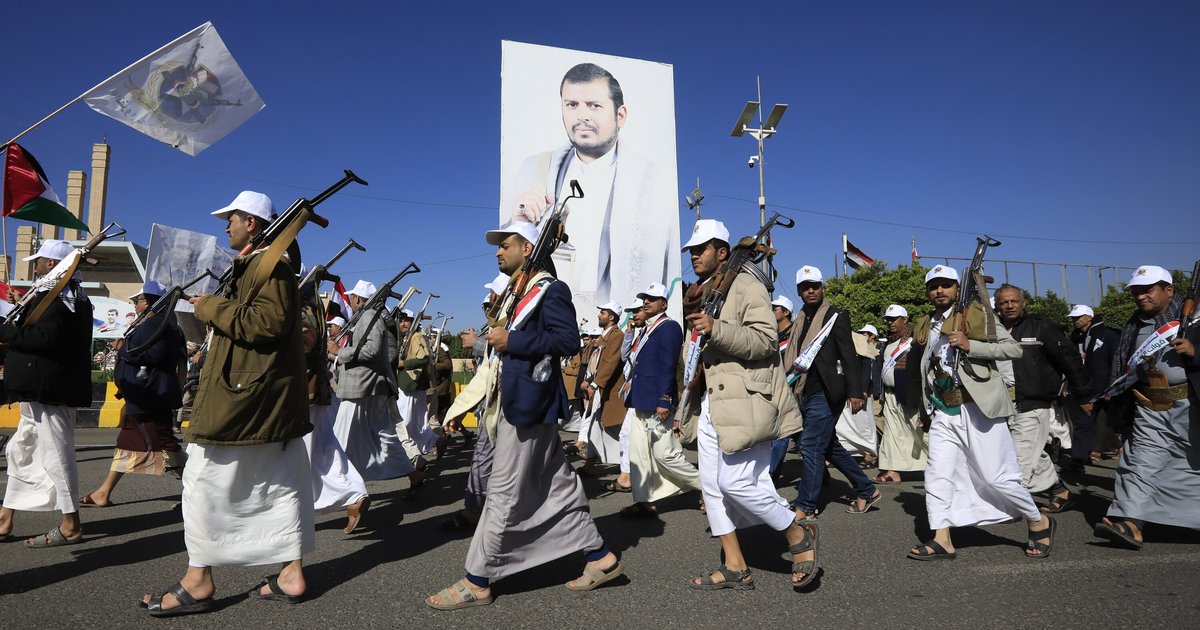
In an unprecedented escalation, the Houthis in Yemen, allied with Iran, launched attacks on Israel last Saturday. These attacks mark the first of their kind since the outbreak of the current conflict, reflecting the expanding scope of the Iranian war and its impact on the region.
This escalation coincided with the arrival of additional US Marine Corps troops in the Middle East, further complicating the security landscape in the region. These developments come at a sensitive time, as tensions rise among regional and international powers.
Details of the Incident
Reports indicate that the Houthis fired missiles at Israeli targets, highlighting their growing role in the ongoing conflict. These attacks could represent a turning point in the struggle, as Israel had focused its efforts on confronting Palestinian factions, but now the Houthis have become part of the equation.
At the same time, US officials confirmed that the deployment of additional troops is aimed at bolstering regional security amid fears of escalating violence. This move reflects the United States' commitment to protecting its allies in the region, especially in light of increasing threats from Iran and its allies.
Background & Context
Historically, the relationship between the Houthis and Iran has been close, with the group receiving military and financial support from Tehran. This support has enhanced the Houthis' military capabilities, making them a key player in the Yemeni conflict and also in broader regional conflicts.
Since the outbreak of the war in Yemen in 2015, the region has witnessed drastic changes in the balance of power, with several countries intervening in the conflict, exacerbating humanitarian and political conditions. The Houthis, representing part of the Iranian alliance, are now seeking to expand their military operations to include Israel, further complicating the conflict.
Impact & Consequences
The Houthi attacks on Israel could provoke military responses from Tel Aviv, potentially opening new fronts in the conflict. This escalation may drag the region into a spiral of violence, complicating peace efforts sought by international powers.
Moreover, the arrival of additional US forces may heighten tensions, as this move could be perceived as a provocation by Iran and its allies, leading to greater military escalation in the region. These new dynamics could significantly affect regional stability and increase risks to civilians.
Regional Significance
The repercussions of these events extend beyond Yemen and Israel, potentially affecting the overall security situation in the Middle East. Neighboring Arab countries, such as Saudi Arabia and Egypt, may find themselves in a difficult position as they must deal with the fallout from the escalating conflict.
Additionally, these events may impact relations between Arab states and Iran, prompting some countries to reassess their security and diplomatic strategies. Under these circumstances, it becomes essential for Arab nations to enhance their cooperation to address the growing security challenges.
In conclusion, the situation in the region remains tense, with escalating threats from various parties. The current state of affairs requires a swift and effective response from the international community to ensure that conditions do not deteriorate to uncontrollable levels.