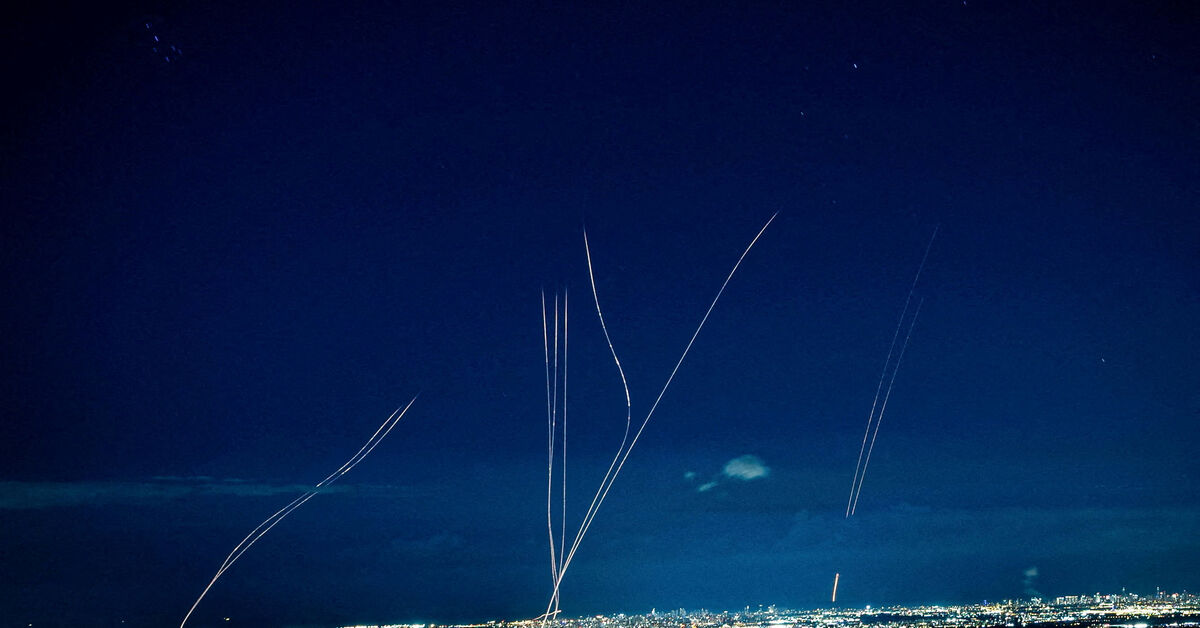
In a serious development, the Iranian-backed Houthi group from Yemen has announced its first attacks on Israel, raising the level of tension in the region and increasing the risk of escalating the regional conflict. This announcement coincides with the arrival of additional American forces in the Middle East, reflecting growing concerns about the implications of the ongoing conflict.
The Houthi attacks on Israel come amid rising tensions between Iran and the United States, where these attacks are seen as a message from the Houthis to their regional and international adversaries, especially in light of the current circumstances in the region.
Details of the Incident
Reports indicate that the Houthis launched missiles and drones targeting Israeli sites, marking an unprecedented step in the history of the conflict. These attacks follow days of intensified fighting in Gaza, complicating the security situation in the region.
This escalation coincided with the arrival of additional American forces in the area, with units of the U.S. Marine Corps being deployed to nearby military bases. This move reflects the United States' commitment to protecting its allies in the region and comes at a highly sensitive time.
Background & Context
Historically, the Houthi group has focused on the internal conflict in Yemen, but increasing Iranian support has pushed them to expand their operations to include external targets. Since the onset of the conflict in Yemen in 2014, the group has become a symbol of the broader regional conflict between Iran and Saudi Arabia.
In recent years, the region has witnessed an increase in cross-border attacks, with the group using drones and missiles to target sites within Saudi Arabia and the UAE. However, attacks on Israel represent a significant shift in their strategy.
Impact & Consequences
The Houthi attacks on Israel could provoke military responses from Tel Aviv, potentially opening a new front in the regional conflict. This escalation may also heighten tensions between Iran and the United States, as Washington may seek to bolster its military presence in the region.
Analysis of the situation suggests that the Houthis' escalation may also reflect Iran's attempts to expand its influence in the region, which could raise concerns among many Arab countries. These dynamics could lead to a reshaping of regional alliances and a shift in the balance of power.
Regional Significance
Given the current situation, the Houthi escalation could significantly impact regional security. Arab countries, especially those sharing borders with Iran or the Houthis, may find themselves in a precarious position requiring a swift and effective response.
Moreover, these events could lead to increased divisions among Arab states, as perspectives on how to address Iranian threats may vary. It is crucial for Arab nations to cooperate in facing these new challenges and work towards enhancing security and stability in the region.
In conclusion, the Houthi escalation against Israel represents an unprecedented step that could lead to radical changes in the regional conflict. It is essential for Arab countries to remain vigilant in facing any potential repercussions and to enhance regional cooperation to address common challenges.