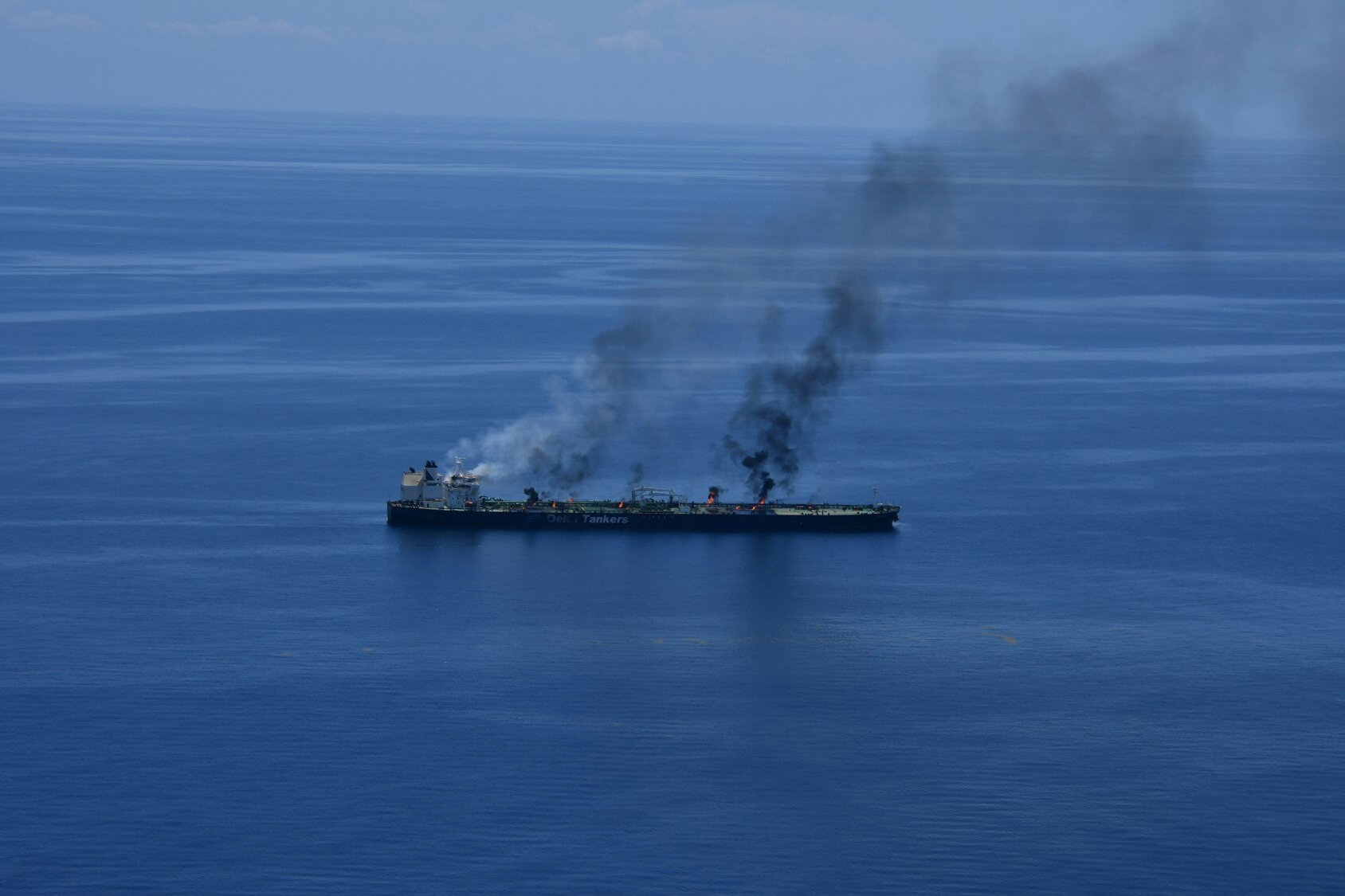
The Houthis, supported by Iran, have opened a new front in the regional conflict by launching attacks on Israeli targets, thereby threatening navigation in the Red Sea. These attacks come at a time when global shipping routes are experiencing increasing pressure, particularly following Iran's closure of the Strait of Hormuz.
Despite their limited scale, the Houthi attacks carry significant implications for what may unfold in the future. Such actions could disrupt shipping traffic in the Red Sea, similar to what occurred during the peak of the Israeli war on Gaza, further destabilizing global energy and shipping flows.
Details of the Incident
The Houthis control large parts of Yemen, including the capital, Sana'a, and have been engaged in a civil war since 2014 against the internationally recognized government supported by the Saudi-led coalition. The Houthis have been designated as a terrorist organization by the United States and the European Union.
Historically, the Houthis have maintained close ties with Iran, receiving military training and logistical support, which has enabled them to carry out attacks beyond Yemen's borders. This group has demonstrated its capability to target shipping in the Red Sea and the Gulf of Aden, leading to increased global shipping costs.
Background & Context
The Red Sea is considered one of the busiest shipping lanes in the world, with approximately 15% of global maritime traffic passing through it. Amid escalating crises, this region has become pivotal for transporting oil from the Arabian Gulf to Asian markets. The area has witnessed increasing tensions due to regional conflicts, including the dispute in Gaza.
During the height of the war in Gaza, the Houthis launched attacks on vessels passing through the Bab el-Mandeb Strait, forcing many ships to alter their routes and increasing shipping costs. This prompted international intervention to halt these attacks, yet the Houthis have not ruled out further strikes on Israeli vessels.
Impact & Consequences
Estimates suggest that effectively closing the Bab el-Mandeb Strait could lead to an increase in oil prices by $5 to $10 per barrel. Analysts have warned that any attempt to disrupt shipping in the Red Sea would have catastrophic effects on oil supplies and products from the region.
Global markets are under increasing pressure, with analysts predicting that any prolonged disruptions could lead to broader economic impacts, including rising shipping costs and delays in goods delivery. Some experts have indicated that Saudi Arabia may have to make difficult decisions under these circumstances, especially with increasing pressure on alternative shipping routes.
Regional Significance
These developments are particularly significant for Arab countries, as they may affect the stability of the entire region. Amid rising tensions, Saudi Arabia may find itself compelled to respond to these threats, potentially escalating the conflict in the area.
Arab nations must closely monitor developments in the Red Sea, as any escalation could impact regional security and the global economy. The stability of navigation in this vital region is crucial for all countries that rely on these routes for their trade.