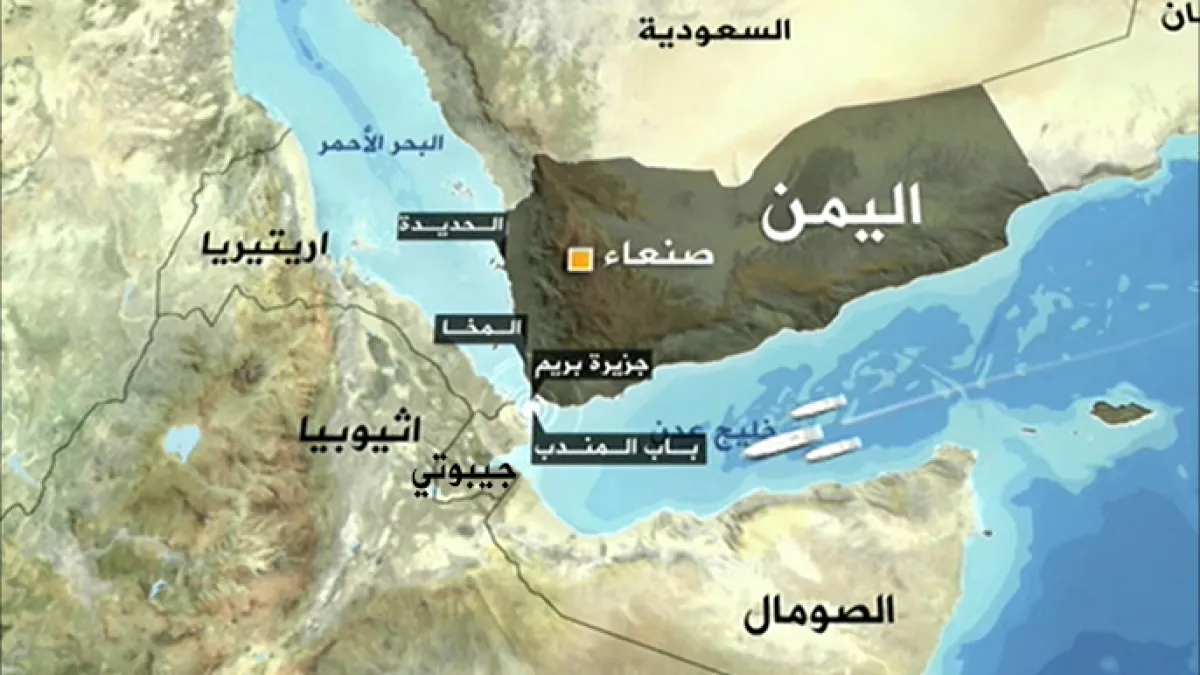
The Houthi movement has officially entered the ongoing conflict between the United States and Israel over Iran, signaling a potential turning point that could reshape escalation dynamics in the region. This escalation is part of a long-term strategy aimed at increasing pressure on Washington and its allies by opening multiple fronts.
In statements from analysts and military experts, it has been warned that the geographical position of the Houthis overlooking the Bab el-Mandeb Strait gives them the ability to disrupt international navigation. If this coincides with Iranian threats in the Strait of Hormuz, it could lead to unprecedented global economic paralysis.
Details of the Event
The real danger lies in the fact that this escalation is not spontaneous; rather, it has come as part of a coordinated effort with Iranian decision-makers. The Houthis have demonstrated their ability to directly target Israel without a full escalation in the Red Sea, reflecting flexibility in their strategy.
This escalation follows the Houthis targeting Israeli military sites with ballistic missiles, where the group's military spokesperson, Brigadier General Yahya Saree, announced that operations would continue until "the aggression stops on all fronts of resistance in Iran, Lebanon, Iraq, and Palestine." This escalation comes at a time when Israel and the United States have been waging war on Iran since February 28, resulting in numerous casualties.
Context and Background
The coordination between Tehran and the Ansar Allah group allows the Houthis to operate within a comprehensive Iranian vision aimed at distributing pressure on the United States and Israel. Security and conflict researcher Ibrahim Jalal points out that the Houthis' entry was expected since the beginning of the war, but the timing was coordinated with the Iranian Revolutionary Guard.
Historically, the Houthis have adopted a phased and layered approach to escalating their attacks. They may move from directly targeting Israel to targeting Israeli ships in Bab el-Mandeb, representing another layer of escalation that could disrupt global shipping.
Consequences and Impact
The most dangerous scenario involves a coordinated blockade across multiple straits, which Iran has been preparing for in recent years. This situation places the United States in a strategically awkward position, as expanding the geographical boundaries of the war will stretch American military capabilities to their limits.
American analyst Harlan Ullman warns that the conflict is nearing a global war, as Israel has become engaged on five fronts. This situation not only depletes military capabilities but also imposes logistical and economic challenges that could affect America's ability to maintain its global presence.
Impact on the Arab Region
The Houthis' entry not only redraws the map of the conflict but also reshapes regional alliances and forces Gulf powers to reassess their strategic calculations. The risks posed by the Houthi escalation include direct military threats, as well as economic and security dimensions that could threaten the stability of the region.
Retired General Simon Mayall indicates that threats related to the Bab el-Mandeb and Hormuz straits concern the issue of insurance more than their actual closure. The threat alone is sufficient to disrupt commercial shipping, which could skyrocket shipping costs.
In conclusion, the Houthis' entry into the conflict represents a strategic shift that could reshape the regional conflict map, raising questions about the future of regional relations and security in the area.