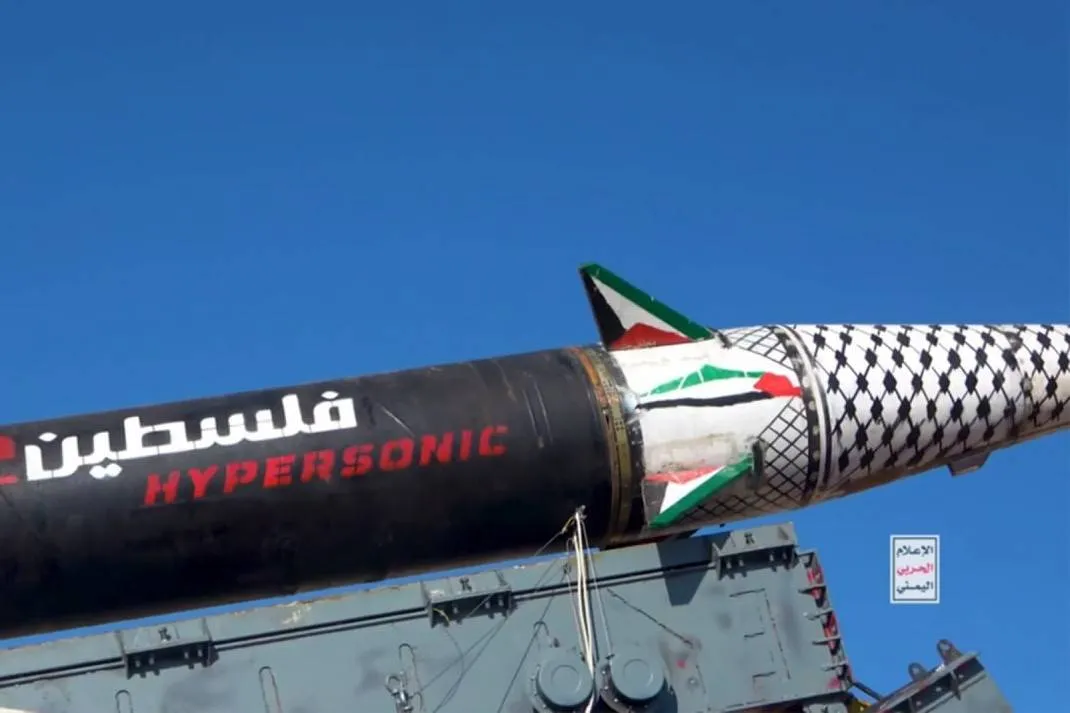
The Houthi group announced on Saturday its military engagement in the war between Iran on one side and the United States and Israel on the other, following a full month of anticipation. This announcement came after the group launched a batch of missiles towards Israel, with the latter reporting the interception of one missile without causing any damage.
During the first four weeks of the war, it was notable that the Houthis refrained from direct involvement, despite unprecedented escalations from other Iranian axis parties, such as Hezbollah in Lebanon and armed factions in Iraq. This restraint raised questions about its motives, before the complex calculations within the group's leadership became apparent.
Details of the Event
Political estimates indicate that the Houthis faced a dual challenge: the desire to prove loyalty to Iran and enhance their position within the axis, against the fear of a military response that could target their fragile infrastructure. Additionally, internal factors played a significant role, as the group fears that involvement in a regional war could exacerbate economic and humanitarian conditions, negatively impacting their security and political grip.
However, it seems that Iranian pressures and the Houthis' desire not to appear as a hesitant party tipped the scales towards intervention. The announcement of their engagement in the war came through a statement from the group's military spokesperson, Yahya Saree, who claimed the execution of the first military operation targeting military objectives in southern Israel.
Context and Background
In his recent speech, Houthi leader Abdul-Malik al-Houthi emphasized the principle of "reciprocation of loyalty" towards Iran, indicating that it was the only supporter of his group during years of war. Al-Houthi also called for widespread public demonstrations in areas under the group's control, affirming support for Iran and the Palestinian cause, stressing that the group is not neutral.
The Houthi rhetoric reflects the continuation of the approach adopted by the group since the beginning of the confrontation, maintaining a high level of rhetorical escalation without translating it into direct military steps as Hezbollah and Iraqi factions have done. This approach reflects complex calculations related to the fear of provoking American and Israeli strikes that could target the group's infrastructure.
Consequences and Impact
Observers expect that the Houthis will not have a threatening firepower impact on Tel Aviv, due to their inability to launch large batches of missiles in a single day. However, the real danger of the group manifests in maritime attacks, as they have claimed responsibility for attacking 228 ships over two years, leading to a halt of more than 50% of international navigation through Bab al-Mandab.
This situation may drive Israel to repeat its retaliatory strikes, as occurred previously, where Israeli strikes targeted ports, airports, and vital facilities, resulting in hundreds of casualties. As military pressures continue, Houthi leaders are taking heightened security measures, fearing being targeted.
Impact on the Arab Region
The Houthi engagement in the regional war could lead to further deterioration of humanitarian conditions in Yemen, undermining opportunities for a political settlement to the internal conflict. Moreover, this escalation may open the door for Israel to destroy what remains of the fragile infrastructure in Houthi-controlled areas.
In light of these developments, the situation in Yemen remains complex, as the population suffers from difficult living conditions, increasing the challenges facing the group in maintaining its organizational cohesion.