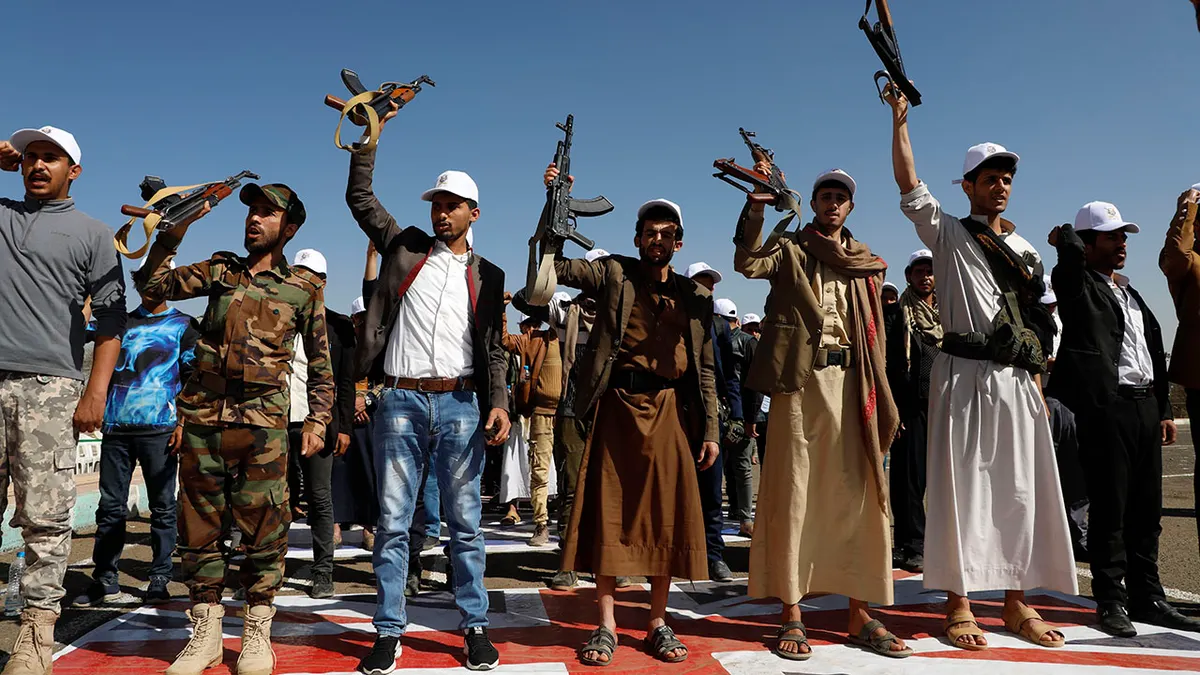
In an unprecedented escalation, the Iranian-backed Houthi group from Yemen launched missiles towards Israel, representing their first direct participation in the "Iran War." This move raises numerous questions regarding the political and military dimensions of this escalation and its impact on neighboring countries and international navigation.
These events come at a time when the region is witnessing increasing tensions, with fears growing that this escalation could lead to a larger conflict in the region. The Houthis, who have long been considered part of the Iranian axis, are now emerging as a military force capable of striking distant targets, reflecting a significant development in their military capabilities.
Details of the Incident
In recent days, reports indicated that the Houthis launched missiles at targets within Israel, provoking strong reactions from the Israeli government. This step is seen as a sign of a strategic shift in the conflict, as the Houthis had not previously participated directly in disputes involving Israel.
Initial analysis suggests that this move may be driven by the Houthis' desire to bolster their position as a regional power, alongside strengthening their alliance with Iran. This escalation could open new avenues for conflict and complicate the security situation in the region.
Background & Context
Since the outbreak of the conflict in Yemen, the Houthi group has played a pivotal role in the dispute, receiving military and financial support from Iran. This support has enabled the Houthis to enhance their military capabilities, making them capable of executing complex operations against their adversaries.
In recent years, the region has witnessed a rise in tensions between Iran and its allies on one side, and Gulf countries and Israel on the other. This context makes it difficult to ignore the regional and international dimensions of this escalation, as any miscalculated step could lead to a larger conflict.
Impact & Consequences
The potential ramifications of this escalation could be far-reaching. If the Houthis continue to direct their strikes towards Israel, this could provoke military responses from the Israeli side, further intensifying the conflict in the region.
Moreover, this escalation could affect maritime security in the Red Sea, as international navigation would be at risk if attacks persist. This situation could negatively impact the global economy, especially given the heavy reliance on these maritime routes.
Regional Significance
For neighboring countries, the Houthi escalation represents a direct threat to regional security. Countries like Saudi Arabia and the UAE may feel the need to bolster their military defenses in response to this new threat. Additionally, this escalation could lead to increased divisions among Arab states, as reactions to this development will likely vary.
Ultimately, this escalation marks a turning point in the regional conflict and reflects the growing challenges faced by countries in the region in confronting multiple threats. It is crucial for Arab states to closely monitor this development and work on enhancing their security cooperation to tackle future challenges.