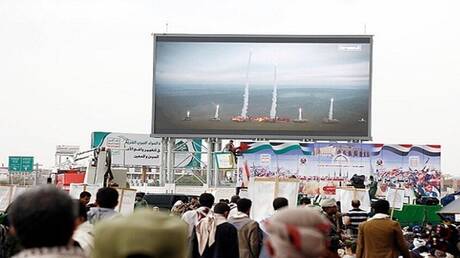
Mohammed Ali al-Houthi, a prominent leader in the Yemeni Ansar Allah group, stated that the group will adhere to a ceasefire with the United States, provided that Washington commits to stopping its aggression against them. These remarks reflect the Houthis' inclination to ease tensions in the region amid ongoing crises affecting Yemen.
These statements come at a time when international concern is rising regarding the humanitarian situation in Yemen, where millions of residents are suffering from the repercussions of a war that has persisted for years. Al-Houthi indicated that the group is prepared to commit to the truce, potentially opening avenues for new dialogue and negotiation.
Details of the Statement
In his remarks, al-Houthi clarified that the commitment to a ceasefire primarily hinges on the United States' adherence to halting any military operations against them. These conditions reflect the Houthis' desire to achieve a form of stability in the region, despite the significant challenges they face.
Al-Houthi also noted that any escalation by the United States or the Arab coalition could exacerbate the situation, making it difficult to achieve peace. These statements come as international pressures increase to seek peaceful solutions to the Yemeni conflict.
Background & Context
Since 2014, Yemen has been embroiled in an armed conflict between the Iran-backed Houthis and the internationally recognized government supported by the Saudi-led Arab coalition. This conflict has led to one of the worst humanitarian crises in the world, with over 24 million people suffering from severe food and healthcare shortages.
International efforts to resolve the conflict have been sporadic, with peace talks witnessing several rounds, yet they have not yielded tangible results thus far. Al-Houthi's statements may reflect a shift in strategy, as they seem to be seeking to capitalize on available opportunities for negotiation.
Impact & Consequences
If the United States responds positively to the Houthis' demands, it could lead to a de-escalation of the conflict in Yemen, allowing humanitarian organizations to provide necessary aid. This could also contribute to improving relations between the Houthis and Western nations, which have viewed them as a hindrance to peace.
On the other hand, any escalation by the Arab coalition or the United States could worsen the humanitarian situation, increasing civilian suffering. Rising tensions could also provoke negative reactions from the international community, which is closely monitoring the situation.
Regional Significance
The situation in Yemen serves as an indicator of broader regional tensions, where major powers play a role in shaping the trajectories of conflict. If the Houthis manage to make progress in peace talks, it could influence other conflicts in the region, such as those in Syria and Iraq.
Any advancement in Yemen could encourage other parties in the region to seek peaceful solutions, potentially contributing to greater stability in the Middle East. At the same time, the continuation of the conflict may exacerbate humanitarian and political crises in neighboring countries.
In conclusion, Mohammed Ali al-Houthi's statements reflect a potential shift in the political dynamics in Yemen. If the ceasefire is adhered to, there may be hope for achieving peace, but challenges remain significant.