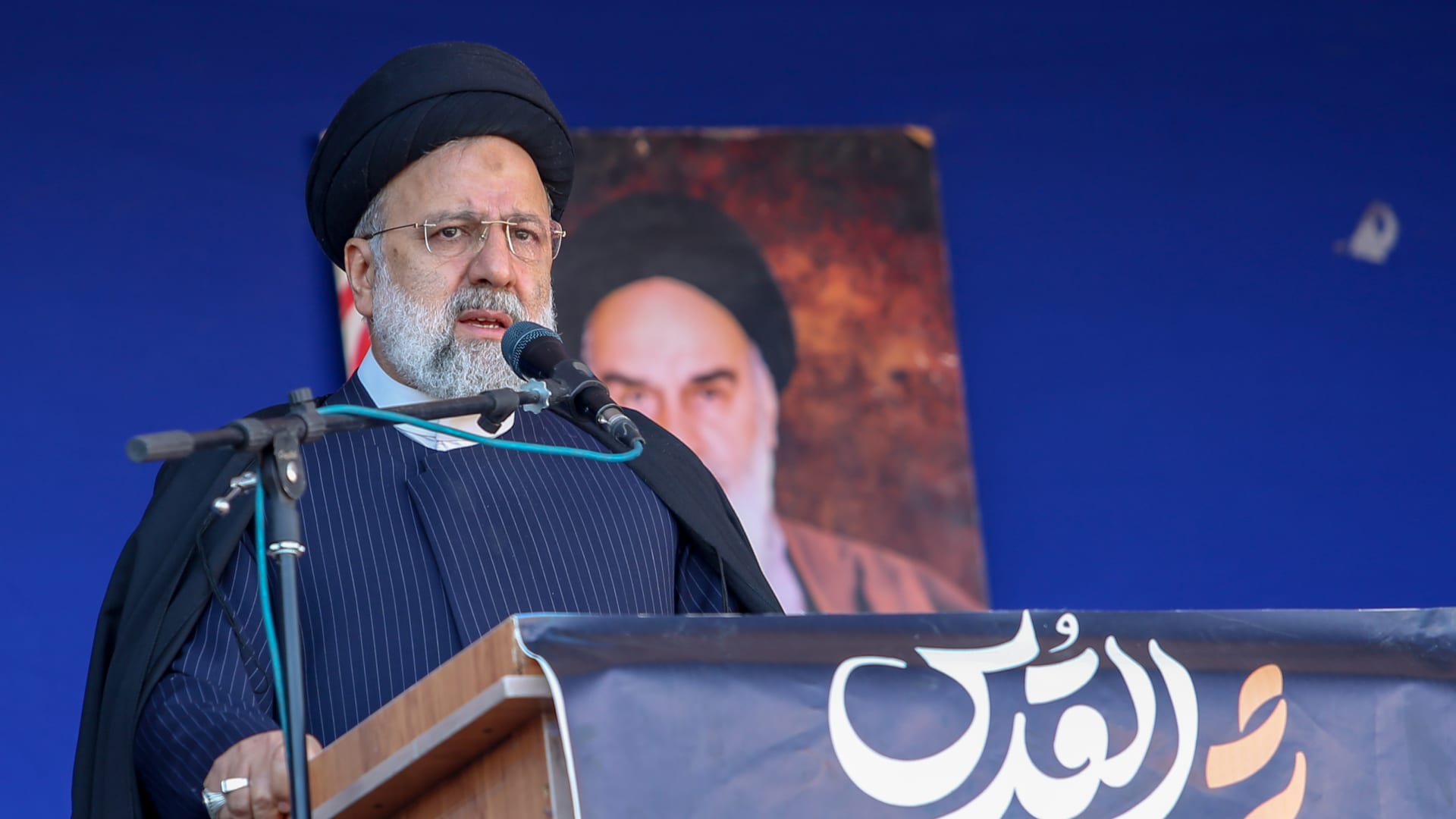
In a provocative statement, Houthi leader Abdul-Malik al-Houthi confirmed on Thursday that he would not hesitate to take a 'military stance' if the circumstances of the war in the Middle East necessitate it. This announcement came during a speech broadcast by the Houthi-affiliated Al-Masirah channel, where al-Houthi emphasized their 'loyalty' to Iran, which is considered the main supporter of the Yemeni rebels, amid escalating tensions with the United States and Israel.
Al-Houthi stated, 'As a Yemeni people, we reciprocate loyalty in the plight of Yemen,' reflecting the Houthis' commitment to their alliance with Iran in facing regional challenges. This statement comes at a time when the region is witnessing an escalation in military conflicts, raising concerns about the potential widening of the conflict.
Details of the Statement
Al-Houthi's remarks are set against the backdrop of rising tensions between Iran and the United States, as Iran faces increasing pressure from Washington and its allies in the region. The Houthis, who control large parts of Yemen, see themselves as part of the resistance axis that includes Iran and its allies, placing them in a position that requires decisive stances should the situation worsen.
In his speech, al-Houthi pointed out that Iranian support is essential to counter external threats, reflecting the close relationship between the Houthis and Tehran. He also emphasized the importance of unity among resistance factions in the region to confront common challenges.
Background & Context
Historically, the relationship between the Houthis and Iran has evolved significantly since the onset of the conflict in Yemen in 2014. The Houthis, who belong to the Zaydi sect, have found in Iran a strategic ally providing them with military and political support. This alliance has contributed to enhancing their military capabilities, making them a significant force in the Yemeni conflict.
These statements coincide with rising tensions in the region, as the United States seeks to bolster its military presence in the Arabian Gulf, increasing the likelihood of conflict escalation. The Houthis, facing economic and military blockades, are striving to strengthen their position through regional alliances.
Impact & Consequences
Al-Houthi's statements could lead to heightened tensions in the region, potentially encouraging further military interventions by regional and international powers. Should the Houthis take tangible steps toward escalation, it could open the door to new conflicts that may impact regional security.
Moreover, any escalation by the Houthis could provoke strong reactions from the Arab Coalition led by Saudi Arabia, complicating the situation in Yemen and affecting stalled peace efforts.
Regional Significance
Al-Houthi's statements serve as a wake-up call for Arab countries, reflecting the increasing security challenges facing the region. Amid escalating conflicts, Arab nations may find themselves compelled to reassess their security and defense strategies.
These developments could also impact relations between Arab states and Iran, as fears of increasing Iranian influence in the region may lead to further divisions among Arab countries.
In conclusion, al-Houthi's statements highlight the significance of the situation in Yemen as part of the broader regional conflict. The continuation of tensions may have serious implications for security and stability in the region, necessitating clear and effective positions from Arab states to address these challenges.