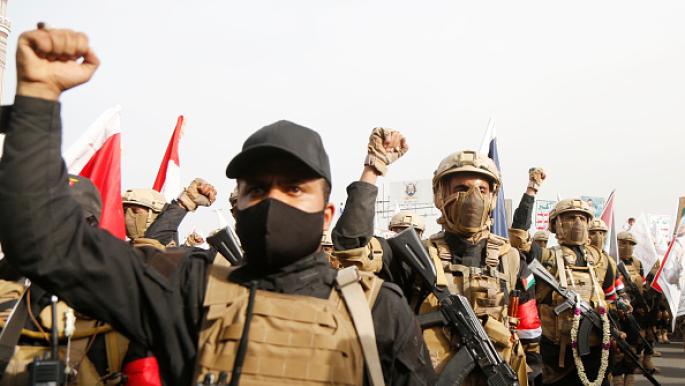
On Saturday evening, the Houthi group, known as Ansar Allah, announced the launch of a second wave of cruise missiles and drones targeting sites in Israel. This move comes just hours after the execution of an initial wave of attacks in the morning, indicating a notable escalation in Houthi military operations.
These attacks are part of the Houthis' strategy to assert their military capabilities in the face of regional and international challenges. The group has demonstrated a determination to expand the scope of its operations amid rising tensions in the region.
Details of the Event
Early Saturday morning, the Houthis launched the first wave of attacks, targeting military and civilian sites in Israel with cruise missiles and drones. In the evening, the Houthis announced the execution of a second wave, reflecting the continuity of this escalation. The extent of the damage or casualties resulting from these attacks is not yet clear, but initial reports indicate that Israeli air defenses intercepted some of these attacks.
These operations come at a sensitive time, as fears grow over the escalation of conflict in the region, especially with increasing tensions between Iran and its allies on one side and Israel on the other. The Houthis, who consider themselves part of the resistance axis, aim through these attacks to send a strong message to their adversaries.
Background & Context
The Houthi group, Ansar Allah, was established in Yemen in the early 1990s and has gained significant strength in recent years, particularly following the outbreak of the civil war in Yemen in 2015. Since then, the Houthis have managed to seize control of the capital, Sana'a, and large areas of the country, making them a key player in the regional conflict.
Historically, relations between the Houthis and Israel have been tense, as the Houthis view Israel as a primary enemy. Recent years have seen an increase in hostile statements from the Houthis towards Israel, reflecting the rising tensions in the region.
Impact & Consequences
These attacks raise questions about the future of security in the region, particularly amid ongoing tensions between Iran and Israel. These operations could lead to greater military escalation, complicating the situation in the Middle East. Additionally, these attacks may impact the relationships between the Houthis and other Arab states, especially those seeking to achieve peace in Yemen.
Moreover, these operations could provoke military responses from the Israeli side, increasing the likelihood of a larger conflict in the region. These dynamics may also affect peace efforts in Yemen, as various parties strive for political settlements.
Regional Significance
These Houthi military operations serve as a reminder of the complexity of the situations in the Middle East. As tensions rise among regional powers, achieving stability in the area becomes increasingly difficult. Furthermore, these attacks may affect regional security, heightening fears of escalating armed conflicts.
At the same time, these events may contribute to strengthening alliances between certain Arab states and Israel, as these countries seek to confront common threats. Additionally, these operations could influence the course of negotiations regarding the Yemeni issue, as pressures on the Houthis to reach a peaceful resolution increase.
In conclusion, these developments underscore the importance of closely monitoring the situation in the region, as military escalation could lead to far-reaching implications for security and stability in the Middle East.