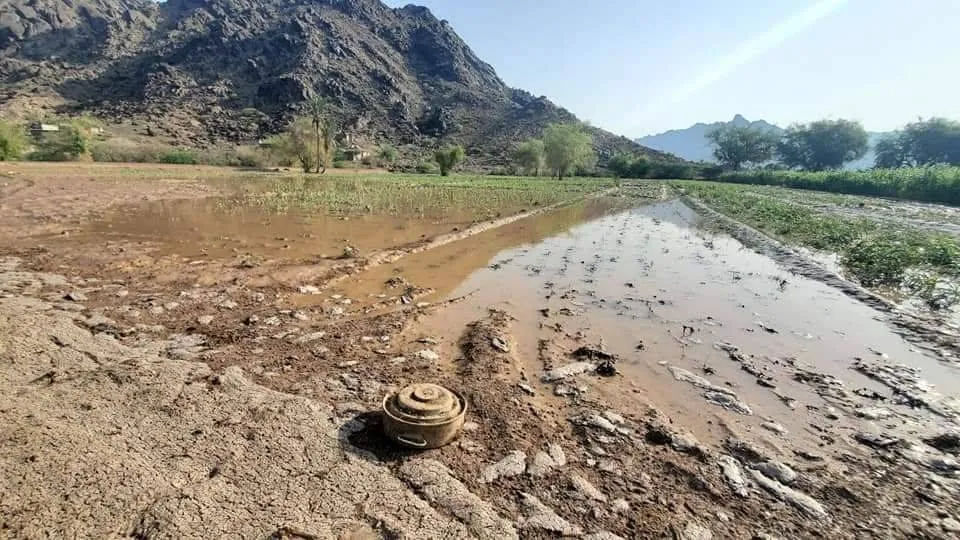
Despite the fragile ceasefire in Yemen, international reports warn of increasing risks faced by children due to Houthi landmines. The figures indicate that child casualties from mines have exceeded those in previous years of conflict, reflecting a shift in danger from battlefronts to the daily lives of civilians, especially in rural and agricultural areas.
Data from the organization "Save the Children" shows that approximately 1,200 children have been killed or injured since the start of the UN-sponsored truce in April 2022, with landmines and unexploded ordnance being the primary cause of this high toll. Among these, 339 children lost their lives due to shelling and gunfire, while 843 others were injured, many of whom sustained permanent injuries.
Details of the Incident
Reports indicate that 511 children, nearly half of the total number of casualties, fell victim to mines and remnants of war. Although the report did not directly specify the responsible party, local and international reports have documented the Houthis planting over one million mines in roads, farms, and populated areas, extending their danger even after fighting has ceased.
This data shows that mines are no longer just a military tool but have become a long-term daily threat to civilians, especially children, in their natural environments, from fields to roads and schools. Children in Yemen are three times more likely to be killed or injured by explosives compared to adults, due to a lack of awareness about the dangers of mines and the nature of their daily activities.
Context and Background
The risks to children in Yemen are increasing amid the ongoing armed conflict, as many are forced to work at an early age, such as herding livestock or collecting firewood and scrap metal, which increases their chances of encountering unexploded ordnance. The psychological effects of these incidents go beyond human losses, leading to permanent disabilities such as limb amputations and loss of sight or hearing, in addition to children suffering from psychological disorders like nightmares and chronic fear.
In this context, a father from Taiz recounts how his son's life turned into continuous suffering after he was injured by shrapnel while playing with an explosive device. The child lives in a state of constant fear and suffers from recurring nightmares, increasing the anxiety of the entire family.
Consequences and Impact
Although the UN-sponsored ceasefire has significantly reduced the level of military operations, it has not eliminated the underlying threats but has revealed new, more insidious dangers. While direct casualties from fighting have decreased, the proportion of victims from mines and unexploded ordnance has increased, reflecting the complex nature of the conflict in Yemen.
Humanitarian organizations emphasize the need to intensify awareness programs about the dangers of mines and to clear these explosives, in addition to providing medical and psychological support to victims. These efforts have recently declined due to reduced humanitarian funding, complicating the situation further.
Impact on the Arab Region
These challenges coincide with warnings that Houthi involvement in regional conflicts could expand the scope of the war, undermining the limited progress made in recent years. UN data indicates that approximately 22.3 million people in Yemen need humanitarian assistance, including 12.2 million children, making the humanitarian situation even more complex.
In conclusion, "Save the Children" has called on all parties to de-escalate and cease the use of explosive weapons in populated areas, stressing the need to avoid Yemen sliding into a broader confrontation, where children pay the highest price in these wars.