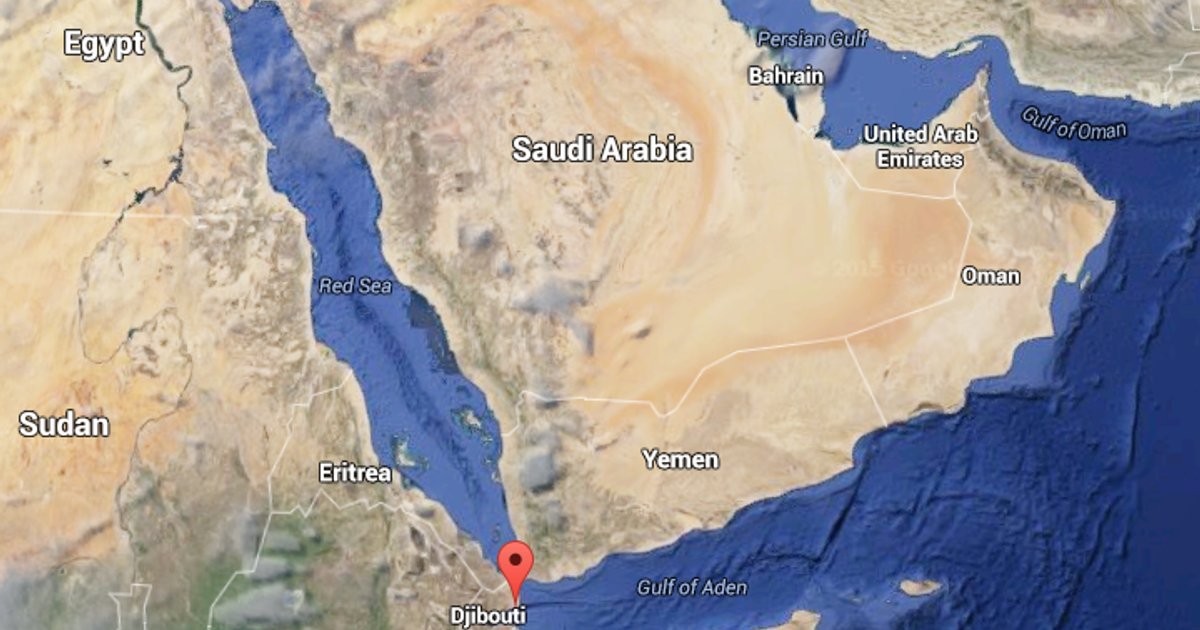
The Bab el-Mandeb Strait is considered one of the world's critical economic chokepoints, with approximately 21,000 ships passing through annually, making it a crucial point in global trade and energy movement. Recent threats from the Houthi group to close the strait, coinciding with rising tensions in the Strait of Hormuz, have raised concerns in global markets and cast shadows over the stability of supply chains.
The strait, which is about 30 kilometers wide at its narrowest point, lies between Yemen in Asia and Djibouti and Eritrea in Africa. It serves as a key link between the Red Sea, the Gulf of Aden, and the Arabian Sea, allowing access to the Suez Canal and the Mediterranean Sea.
Details of the Situation
Daily, the Bab el-Mandeb Strait sees massive quantities of oil transit, ranging between 7 to 10 million barrels, and is a primary route for about 12% to 15% of global trade heading to Europe, the United States, and Asian markets. It also supplies approximately 25% of Europe’s liquefied natural gas needs.
Ship traffic through the strait is estimated at around 21,000 vessels annually, equivalent to 57 ships per day, with cargo values reaching about $700 billion annually.
Background & Context
Any disruption of the strait, especially if coinciding with a shutdown of the Strait of Hormuz, could lead to a global shipping crisis, potentially doubling transit times between Asia and Europe from 31 to 41 days, and increasing the cost of a medium-sized container ship journey from $1 million to approximately $1.7 million, not including additional expenses like crew wages, fuel, and insurance premiums.
According to the United Nations Conference on Trade and Development (UNCTAD), rerouting ships around the Cape of Good Hope has increased global demand for vessels by 3% and container ships by 12% until mid-2024, reflecting the growing pressure on global port capacities and rising shipping costs.
Impact & Consequences
Energy expert Lori Hiteyan emphasized that the greatest impact of closing the strait extends beyond oil and gas, affecting other supply chains as well. The tightening at Bab el-Mandeb would extend the delivery time of goods from Asia to Europe by an additional 15 to 20 days, increasing transportation costs and placing pressure on the economies of neighboring countries.
Warnings from Reuters indicate that the mere ongoing threat of closing the strait could paralyze global trade, as rising insurance premiums and altered risk assessments by shipping companies lead to rerouting vessels to longer paths, thereby increasing prices and affecting supplies and essential goods even before any actual attack on the strait occurs.
Regional Significance
The Bab el-Mandeb Strait is not just a geographical point; it is a vital artery for global energy and trade. Any threat to its closure translates directly into global economic shocks, extending beyond oil to encompass all sectors of transportation, supply, and international trade. Under these circumstances, there is an increasing need for effective strategies to ensure the security of navigation in this critical region.
In conclusion, the ongoing tensions in the Bab el-Mandeb Strait highlight the importance of this waterway in the global economy, necessitating urgent actions from concerned nations to protect their commercial and economic interests.