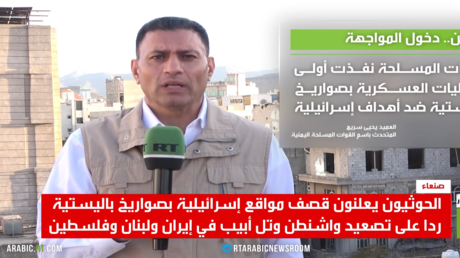
In a new escalation, the military spokesperson for the Houthi group, Yahya Saree, announced the execution of their first military operation using ballistic missiles against sensitive military targets in Israel. This operation comes at a time when the Middle East is witnessing increasing tensions, raising concerns about its implications for regional security.
Saree confirmed in his statements that the operation targets strategic military sites, indicating that this step is part of a response to what he described as Israeli aggression against the Palestinian people. He also added that the Houthis possess the capability to carry out similar operations in the future, further heightening tensions in the region.
Details of the Operation
This operation follows a series of statements and military escalations by the Houthis, who consider themselves part of the resistance axis against what they describe as Israeli occupation. Saree pointed out that this operation was carefully planned and is part of the Houthis' strategy to assert their ability to respond to any aggressions.
In the same context, no official comment has been issued from the Israeli side so far, but it is expected that this operation will provoke strong reactions from the Israeli government, which may consider it a direct threat to its national security.
Background & Context
Historically, the relationship between the Houthis and Israel has been tense, as the Houthis view Israel as part of the aggression axis against the Arab nation. In recent years, there has been an increase in military operations by the Houthis, especially amid the ongoing conflict in Yemen and the intervention of the Arab coalition led by Saudi Arabia.
This operation also comes amid rising tensions in the region, particularly following recent events in Palestine, where the Palestinian territories have witnessed an escalation in violence and clashes, leading to heightened military rhetoric from various parties.
Impact & Consequences
This operation is considered a serious escalation that could lead to military responses from Israel, potentially opening the door to a new round of conflict in the region. Additionally, this step may affect regional alliances, as some countries may be prompted to reassess their positions towards the Houthis and Israel.
Moreover, this operation could increase tensions between Iran and Gulf countries, as Iran considers the Houthis strategic allies in countering American and Israeli influence in the region.
Regional Significance
The repercussions of this operation extend beyond Israeli borders, as it may impact security and stability in neighboring countries, especially amid ongoing crises in Iraq, Syria, and Lebanon. Furthermore, these events could motivate other armed groups in the region to carry out similar operations, increasing instability.
In conclusion, this new military operation reflects the escalating tensions in the Middle East and highlights the security challenges faced by Arab countries amid ongoing conflicts. It also raises questions about the future of regional relations and how to address the increasing threats.