The Yemeni Houthi group, known as Ansar Allah, announced on Thursday its complete military readiness to engage in military confrontation alongside Iran. This move comes at a time when the world is witnessing a growing crisis in the oil and economic sectors due to ongoing tensions in the Middle East.
In a statement from a group leader, it was confirmed that the Houthis are in "full military readiness with all options available," indicating that the details of any military movement will be determined by leadership, and they are closely monitoring developments. He added, "So far, Iran is performing well and continues to inflict damage on the enemy every day, and the battle is going in its favor."
Details of the Escalation
This Houthi escalation follows Iran's warning on Wednesday of opening a new front in the Bab al-Mandab Strait if its territories or islands are attacked. The semi-official Tasnim news agency reported, citing an unnamed Iranian military source, that Tehran is prepared to respond to any aggression.
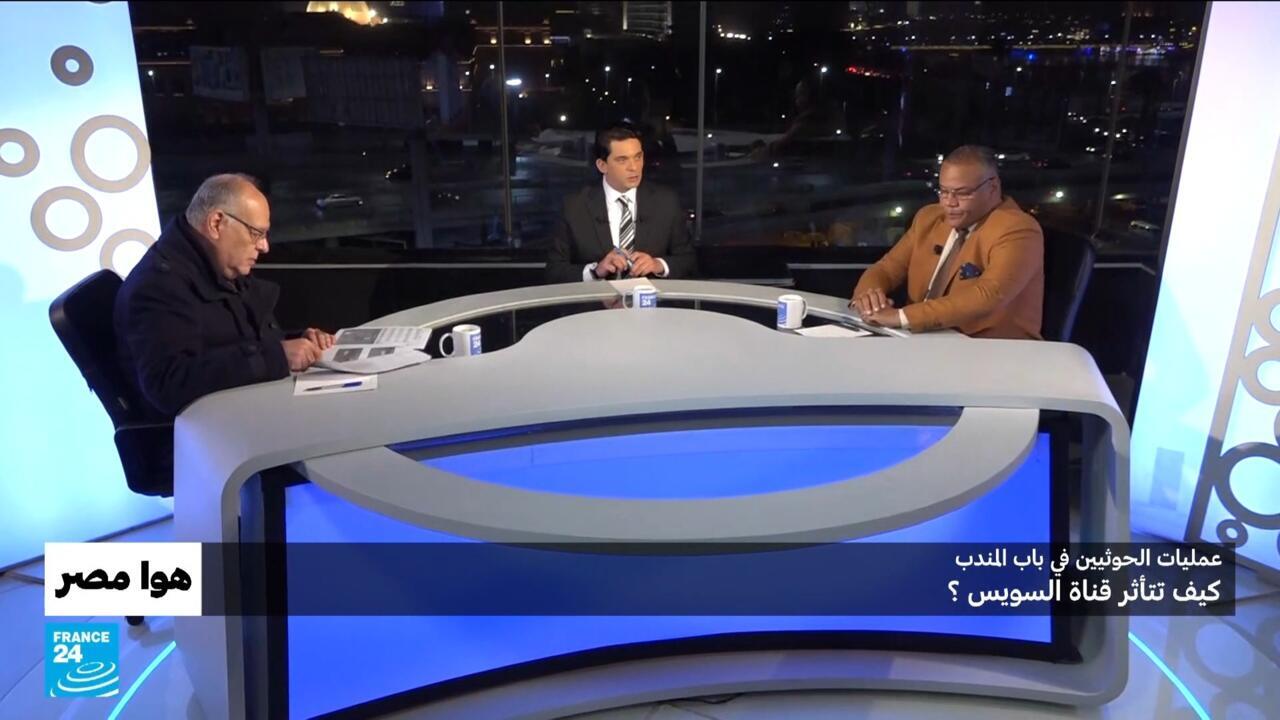
It is noteworthy that the Houthis have previously launched attacks in the area surrounding the strategic Bab al-Mandab Strait. Should they enter into military conflict, this would open a new front aimed at controlling this vital passage, which is a major transit point for maritime traffic heading to the Suez Canal, especially after Iran closed the Strait of Hormuz.
Background & Context
Since the beginning of the conflict on February 28, allied factions to Iran in Lebanon and Iraq have engaged, but the Houthi group, thanks to its missile arsenal and strategic location, remains the "most dangerous card" that has not yet been fully utilized in this escalating regional conflict.
Houthi leaders assert that the decision to engage directly in the war alongside Iran against the United States and Israel is a "sovereign and independent Yemeni decision," emphasizing that Tehran does not dictate the timing or form of their intervention. Despite affirmations of historical and religious ties with Iran, the Houthis insist that any field movement depends on assessments from leadership in Sana'a.
Impact & Consequences
Reports from the Yemeni government indicate that supply and support lines between Tehran and the Houthis are still operating efficiently, enhancing the group's ability to carry out its threats to strike international shipping routes if a confrontation is decided. This situation could lead to escalating tensions in the region and complicate global economic conditions.
If a new military conflict erupts in Bab al-Mandab, it could significantly impact global oil prices, as the strait is a vital transit point for transporting oil from the Gulf to global markets. Furthermore, any escalation could provoke military responses from major concerned nations, increasing the intensity of the conflict in the region.
Regional Significance
These threats come at a sensitive time for the Arab region, where many countries are suffering from economic and political crises. The Houthis' entry into military conflict alongside Iran could shift the balance of power in the region and exacerbate existing crises.
In conclusion, the situation in the Middle East appears to be heading towards further complexity, with the Houthis prepared to engage in confrontation alongside Iran, placing the region in the face of new challenges that could affect regional and international security and stability.