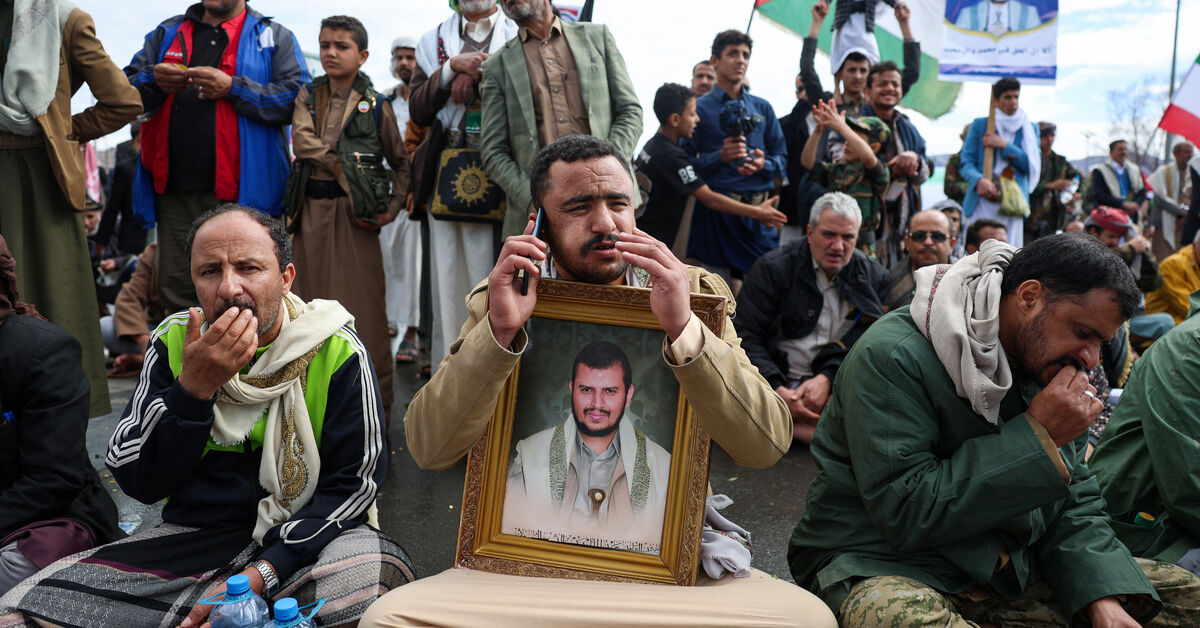
In a notable development, the Houthis in Yemen have confirmed their readiness for direct military intervention should other nations join the US-Israel coalition against Iran. This announcement was made during a televised speech by the group's military spokesperson, Yahya Saree, who indicated that the Houthis view the Red Sea as a sensitive area, and any use of it for hostile operations against Iran would be met with military retaliation.
Saree added that the Houthis are on high alert and are closely monitoring the situation. He affirmed that any new alliances against Iran would compel them to take direct military steps, suggesting a potential escalation in the region.
Details of the Announcement
The Houthi statements come at a time when tensions are escalating in the Middle East, with growing fears of a broader conflict that could involve new countries. The Houthis, who receive support from Iran, consider themselves part of the resistance axis against what they perceive as American and Israeli aggression in the region.
This announcement follows a series of events that have seen an escalation in military operations between Iran and its allies on one side, and the US and Israel on the other. The Houthis have indicated that they will not hesitate to use their military power to defend their interests and those of their allies.
Background & Context
Historically, the relationship between the Houthis and Iran has been characterized by significant closeness, with the Houthis being considered part of the Iranian axis in the region. Since the outbreak of the civil war in Yemen in 2015, the Houthis have managed to control large parts of the country, making them a major force in the Yemeni conflict.
In recent years, the region has witnessed heightened tensions between Iran and the United States, especially following Washington's withdrawal from the Iranian nuclear deal in 2018. This escalation has led to increased military tensions in the area, prompting the Houthis to feel empowered to intervene more significantly in the regional conflict.
Impact & Consequences
The Houthi statements indicate the possibility of escalating conflict in the region, which could have serious repercussions for regional and international security. Should the Houthis decide to act on their threats, it could lead to significant military escalation in the Red Sea, a vital waterway for global trade.
Any military intervention by the Houthis could draw other countries into the conflict, complicating the security situation in the Middle East. This could also affect oil prices and global markets, as the Red Sea is a crucial point for oil transportation.
Regional Significance
The Houthi statements serve as a warning to neighboring Arab countries, as any escalation in the conflict could have negative repercussions on security and stability in the region. Arab nations with interests in the Red Sea, such as Egypt and Saudi Arabia, may find themselves in a difficult position if tensions escalate.
At the same time, this situation could lead to a reevaluation of alliances in the region, with some countries possibly seeking to strengthen their ties with Iran or the Houthis as a means to counter potential threats from the US-Israel coalition.