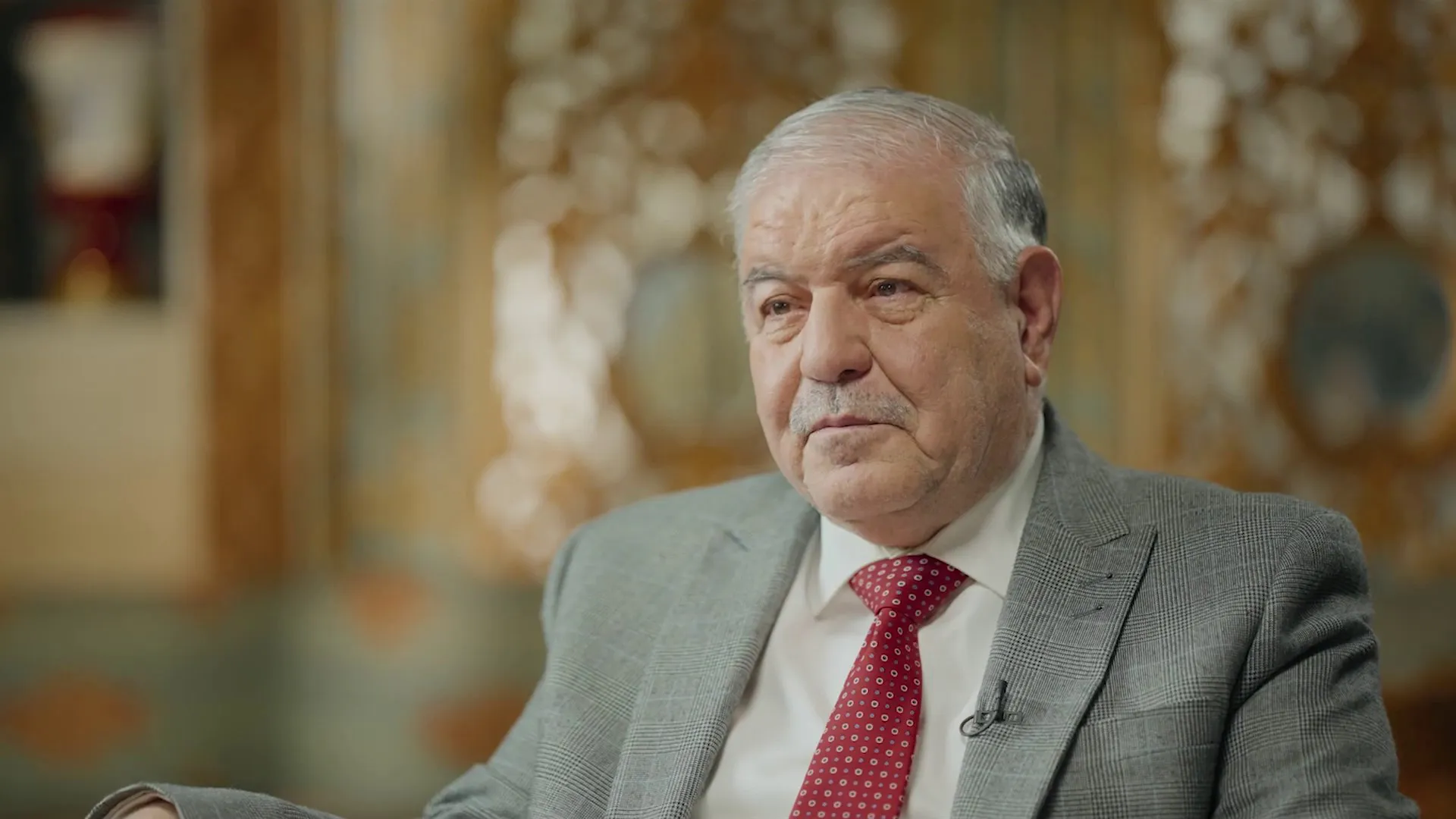
Dr. Mohammed Basel Al-Taie, a professor of theoretical physics, revealed painful transformations in his scientific journey, as his dreams of building a 'wonderful Iraq' turned to ashes due to wars and mismanagement. In an interview with the 'Atheer' program, he discussed the impact of the Iran-Iraq War and poor governance on his ambitions.
Al-Taie began his academic journey at the University of Mosul in 1970, where he delivered a lecture in English on the expansion of the universe to an audience of 250 students and 20 professors at the age of nineteen. His performance impressed the university president, Mohammed Al-Mashat, who supported Al-Taie by providing him with an office and sending him to print his first book titled 'Introduction to Special and General Relativity' while he was still a fourth-year student.
Event Details
Despite the support he received, Al-Taie faced significant challenges, including exclusionary exams and accusations of not being rational from some professors who could not accept his excellence. Al-Taie noted that the university president admitted to him that the local environment could not tolerate what Western countries endure in nurturing talents.
He also spoke about the reality of scientific sponsorship in Iraq in the late sixties, where the state established the 'Scientific Sponsorship Foundation for Youth' in every province. He recalled the 'Science for All' program led by Professor Kamel Al-Dabbagh, which sent 4,000 creative students for postgraduate studies in countries like the USA, the UK, and France.
Context and Background
Al-Taie criticized the state's management with a 'tribal chief' mentality, pointing out that the Iran-Iraq War was a 'trap' that ensnared the leadership. He also criticized the universities for cutting scientific journals from the budget, which led to transforming youth into soldiers without learning a craft, resulting in a 'hollow draft model.'
Upon returning from his PhD in 1978, Al-Taie refused to work in the Iraqi Atomic Energy Program, justifying that the program raised suspicions among major countries, while Iraq needed reactors for electricity generation. He warned that possessing lethal weapons with minds incapable of using them is a 'disaster for the country itself.'
Consequences and Impact
Al-Taie’s experience illustrates how political and social conditions can affect individuals' scientific careers. Instead of being able to invest his talent in serving his country, he found himself facing significant challenges that prevented him from realizing his dreams.
This story also reflects the reality of many scientists and innovators in the Arab world who face similar difficulties, raising questions about how governments can support young talents in the fields of science and technology.
Impact on the Arab Region
Al-Taie’s experience serves as an example of the challenges faced by Arab countries in education and scientific research. While many young people strive to achieve their dreams, political and economic conditions may hinder their progress.
In conclusion, Al-Taie emphasized the importance of faith and science, considering that scientific signs in the Quran represent evidence of the Creator's greatness, and that God governs the universe not by miracles but by precise laws. These convictions reflect a comprehensive vision that combines science and faith.