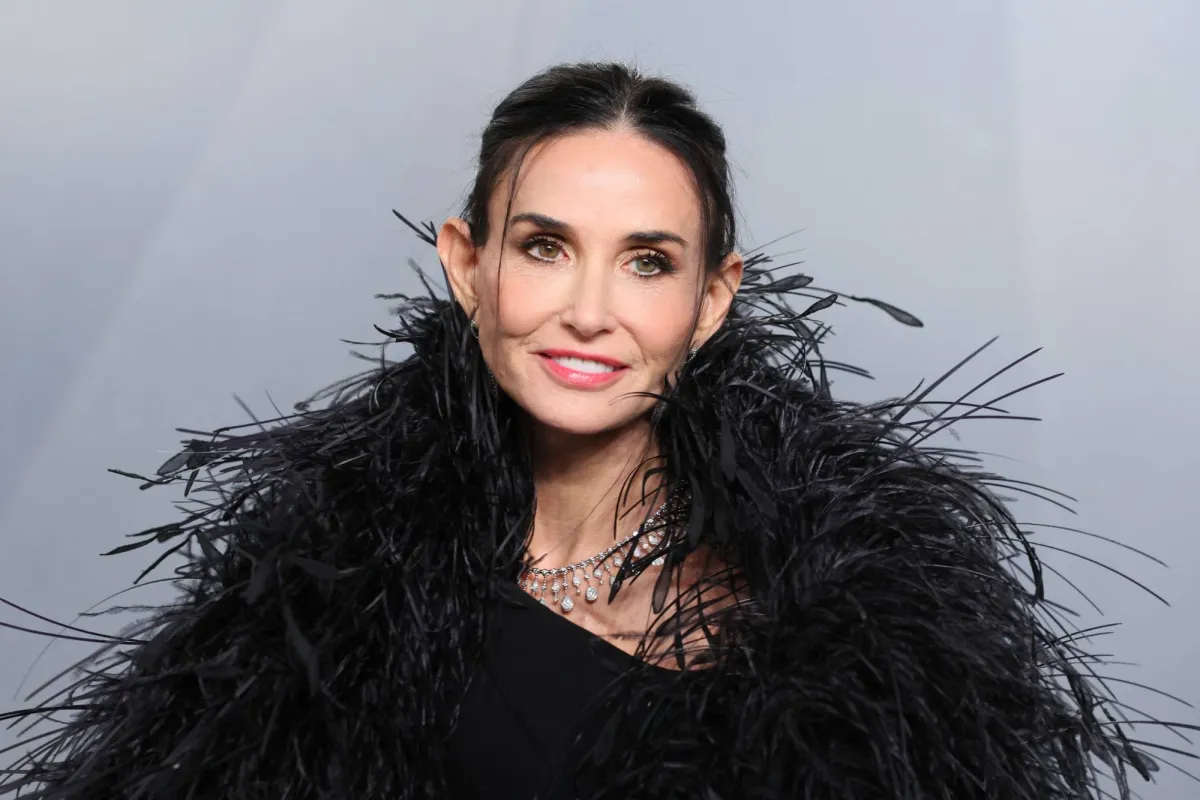
Beauty standards imposed by advertising and media continue to negatively impact women's self-image, making them victims of unrealistic concepts. This issue is exacerbated by increasing societal and psychological pressures due to the idealized image promoted by the entertainment industry, leading women to face unattainable standards.
This year, International Women's Day passed disappointingly, without a celebration commensurate with women's achievements, as U.S.-Iranian tensions dominated the news, pushing women's issues behind these pressing events. Nevertheless, there were simple attempts to keep the spirit of feminism alive by highlighting issues related to beauty and identity fueled by contemporary standards.
Event Details
A recent survey conducted in the UK indicates that girls feel society judges them based on their appearance more than their skills and competencies. This shows that core values in societies are beginning to change, with stereotypes defining universal beauty becoming predominant. This undermines self-confidence among young women and has serious effects on their mental health.
The case of star Demi Moore, who altered her appearance in response to Hollywood pressures, indicates that moral pressures have not been left behind. Despite women approaching a correct understanding of their body images, marketing beauty icons sometimes draws them toward the abyss of unhealthy standards.
Context and Background
For decades, ideals of beauty have been associated with slim segments of society, confining women within the frameworks of traditional beauty phrases and recipes. The details are not limited to being modern standards but are also continuously shaped by media promoting unrealistic images of women, intensifying criticism. It has been alarming how the appearances of many female politicians in the United States have changed, as success in politics is often linked to certain appearances considered aesthetic.
The cultural pressure faced by countless women shows another side effect manifested in the shift toward surgical procedures or extreme thinness, which has become part of the stereotype. Even successful women may face immense pressures regarding their appearance, such as business executives or artists whose success is often tied to their bodies.
Consequences and Impact
The industry continues to present other issues, such as the use of weight-loss injections, complicating the matter of ideal body image. The increasing prevalence of thinness culture on social media amplifies this issue, leading girls to engage in unhealthy dietary practices or seek unrealistic ideal forms. For an American star like Oprah Winfrey, she has long struggled with weight pressures, indicating the eternal battle with body image.
The influx of these ideal images complicates the task for women seeking acceptance and recognition in society, suggesting that the next generation may not be far from facing the same challenges if serious steps for change are not taken.
Impact on the Arab Region
This phenomenon in the Arab region reflects a troubling pattern where beauty standards are imposed with the same pressures despite different cultures. Women become prey to these standards under increasing societal pressures that make them try to conform to standards from Hollywood films.
Women in the Arab world need to listen to their own voices and express their foundations of personal experiences regarding beauty and standards. They should be encouraged to accept that beauty comes in various forms and that every woman can be beautiful in her own way.
These issues are more urgent than ever, requiring collective awareness and calls for changing the prevailing stereotypes, regardless of the decisions and societal changes imposed by certain industries.