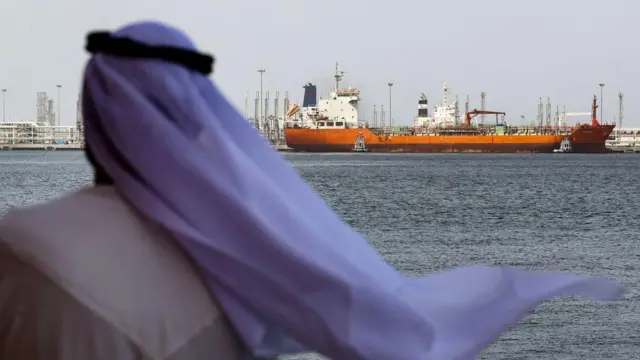
Gulf states possess significant economic and financial capabilities that may help mitigate the economic risks stemming from a potential war between the United States and Israel on one side and Iran on the other. Amid rising tensions in the region, there is an urgent need for Gulf countries to adopt effective strategies to protect their economies.
The Gulf states, thanks to their vast reserves of oil and gas, are among the most stable economies in the world. However, this stability could be shaken if security conditions in the region worsen. Therefore, taking proactive steps is essential to ensure that the Gulf economy is not negatively impacted.
Details of the Event
Reports indicate that the US-Israeli war with Iran could lead to a significant rise in oil prices, which may affect the economies of consuming countries. Conversely, Gulf states might benefit from rising prices, but this could come with risks such as market volatility and political instability.
This war could likely increase energy demand from Western countries, potentially boosting the revenues of Gulf states. However, these countries must be prepared to face any negative repercussions that may arise from escalating tensions, such as economic sanctions or deteriorating trade relations.
Background & Context
Historically, the Gulf region has witnessed numerous armed conflicts that have impacted its economies. For instance, during the Gulf War in the 1990s, oil prices were significantly affected, impacting economic growth in producing countries. Nevertheless, Gulf states managed to recover quickly due to their diverse economic strategies.
In recent years, Gulf countries have taken steps to enhance the diversification of their economies away from oil by investing in sectors such as tourism and technology. These measures may help reduce their dependence on oil, making them more resilient in the face of economic crises.
Impact & Consequences
If conditions in the region worsen, the impacts may include an increase in food and essential goods prices, leading to economic pressures on citizens. Additionally, any military escalation could result in a flow of refugees into Gulf states, posing an additional challenge for these countries.
Moreover, tensions could lead to a decline in foreign investments in the region, negatively affecting economic growth. Therefore, it is crucial for Gulf states to adopt flexible economic policies that enable them to adapt to these changes.
Regional Significance
The Gulf states are pivotal to the economic stability of the Arab region. Any escalation in conflict could affect neighboring countries, such as Iraq and Syria, which are already suffering from economic and political crises. Thus, the stability of the Gulf is vital for the overall stability of the region.
In conclusion, Gulf states must prepare to face potential economic challenges arising from the US-Israeli war with Iran. By enhancing economic diversification strategies, these countries can protect their economies and ensure their stability amid changing circumstances.