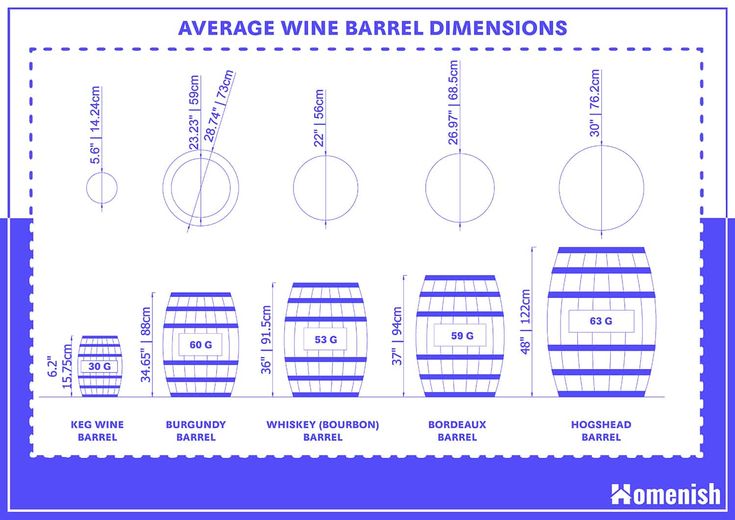
Wine barrels transformed into a global standard for measuring oil, as American oil producers agreed on their size in the 19th century, contributing to the organization of the oil trade and facilitating the transport of millions of barrels worldwide.
In August 1866, oil producers gathered in Titusville, Pennsylvania, facing chaos with the containers used for transporting crude oil. They found themselves relying on sturdy wooden whiskey and wine barrels to package their oil, leading to the adoption of the 42-gallon (approximately 159 liters) size as a standard.
Details of the Event
The choice of this size was not arbitrary; it was based on logistical reasons. The weight of 40 gallons of crude oil was ideal for horse-drawn wagons, ensuring they would not break. Additionally, two gallons were added as a loss allowance for oil that might leak or evaporate during transport on rough roads. By 1872, this practice became a global law governing energy exchange markets to this day.
When discussing a barrel of oil, it is essential to understand that it is not merely a container holding one type of fuel. Instead, it is a complex mixture, with part of it turning into gasoline for cars, another part into jet fuel, while the remainder is used in the production of plastics, pharmaceuticals, and even fibers used in clothing. Thus, we utilize parts of this barrel in our daily lives.
Background & Context
Historically, the oil trade suffered from disorganization, negatively impacting prices and distribution. With the emergence of the wine barrel as a standard, things began to change. This standard not only facilitated the transport process but also contributed to stabilizing the global oil market.
There are various types of oil, each with its characteristics and price. Among the most famous types is Brent crude, which is considered the primary benchmark for oil globally, and West Texas Intermediate, used for pricing oil in North America. Additionally, Omani crude, Kuwaiti crude, and Arab light crude are also significant benchmarks in the market.
Impact & Consequences
The adoption of the wine barrel as a standard improved the efficiency of oil transport and unified prices, contributing to the enhancement of global trade. This standard also helped organize the oil market, leading to long-term price stability.
Furthermore, this shift contributed to increased demand for oil, leading to the expansion of the oil industry in many countries, particularly in the Middle East, which is one of the largest producers and exporters of oil globally.
Regional Significance
The Arab region is one of the prominent players in the global oil market, significantly contributing to oil production and export. The adoption of the wine barrel as a standard helped Arab countries organize their oil industries and enhance their positions in the global market.
In light of the ongoing fluctuations in oil prices, this standard remains essential for understanding market dynamics and their impact on the global economy. As demand for oil continues, the Arab region remains at the heart of this vital industry.
In conclusion, the history of the wine barrel as an oil standard illustrates how simple changes can significantly impact an entire industry. As the market continues to evolve, this standard remains an integral part of global oil trade.