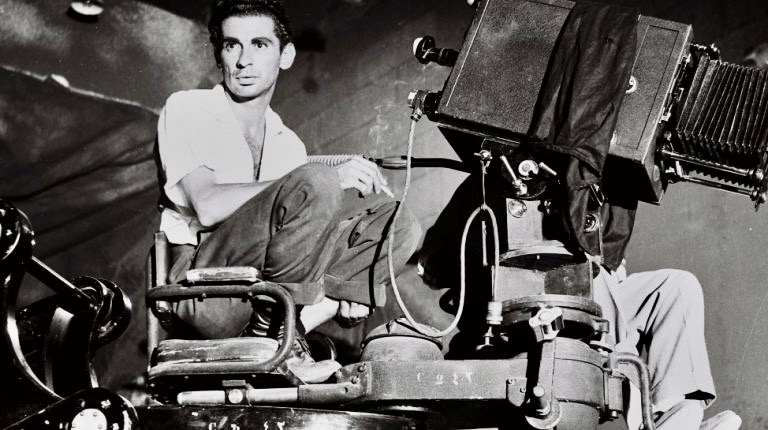
Egyptian artist Mahmoud Hamida emphasizes that cameras alone do not create films, highlighting the unique approach of the late director Youssef Chahine to cinema. In his discussion, Hamida reviews Chahine's impact on the film industry in Egypt, explaining how he focused more on human and artistic elements than on technical aspects.
Hamida, who is considered one of the most prominent actors in Egyptian cinema, pointed out that Youssef Chahine had a special vision regarding how to present cinematic stories. He believed that cinema is not just moving images, but an expression of feelings and ideas. His vision contributed to shaping the identity of modern Egyptian cinema.
Event Details
In his conversation with the media, Hamida confirmed that Chahine focused on story and characters, making him one of the most prominent directors in the history of Arab cinema. He believed that films should reflect reality and address societal issues, which led him to choose bold themes in his films.
Hamida also noted that Chahine had the ability to explore the depths of the human soul, allowing him to create complex and impactful characters. This vision helped present films such as “The Choice” and “Cairo Station”, which are still considered classics in Egyptian cinema.
Background & Context
Youssef Chahine, born in 1926, is regarded as a pioneer of Egyptian and Arab cinema. He began his artistic career in the 1940s and produced numerous films that left a clear mark on the history of cinema. Chahine was known for his unique directing style, blending artistic and technical elements, which earned him great popularity in the Arab world.
Over the years, Chahine received numerous awards and honors, including the Palme d'Or at the Cannes Film Festival. His works contributed to shaping the Arab audience's awareness of social and political issues, making him a symbol of Arab cinema.
Impact & Consequences
The influence of Youssef Chahine on cinema extends beyond his works; it reaches new generations of directors and actors. His artistic vision has inspired many artists who seek to present works that reflect reality and address societal issues. His directing style has also contributed to the development of Egyptian cinema, allowing it to compete on an international level.
Thanks to Chahine's influence, there is an increasing interest in the Arab world in developing cinema as a means of artistic expression. This movement has enhanced cinematic culture in the region, leading to the emergence of many film festivals celebrating Arab films.
Regional Significance
Cinema is a powerful means of expressing social and political issues in the Arab world. Youssef Chahine's films have highlighted many important issues, such as identity and belonging. This has allowed his films to transcend the borders of Egypt and reach a wide audience in the Arab world.
In recent years, Arab cinema has witnessed significant development, with many young directors drawing inspiration from Chahine's works. This has contributed to enhancing cinematic culture in the region, resulting in films that reflect new experiences and address contemporary issues.
In conclusion, Youssef Chahine remains a symbol of Arab cinema, enriching the artistic scene with his unique works. His influence continues to shape the identity of Egyptian and Arab cinema, making it essential to study his works and understand his artistic vision.