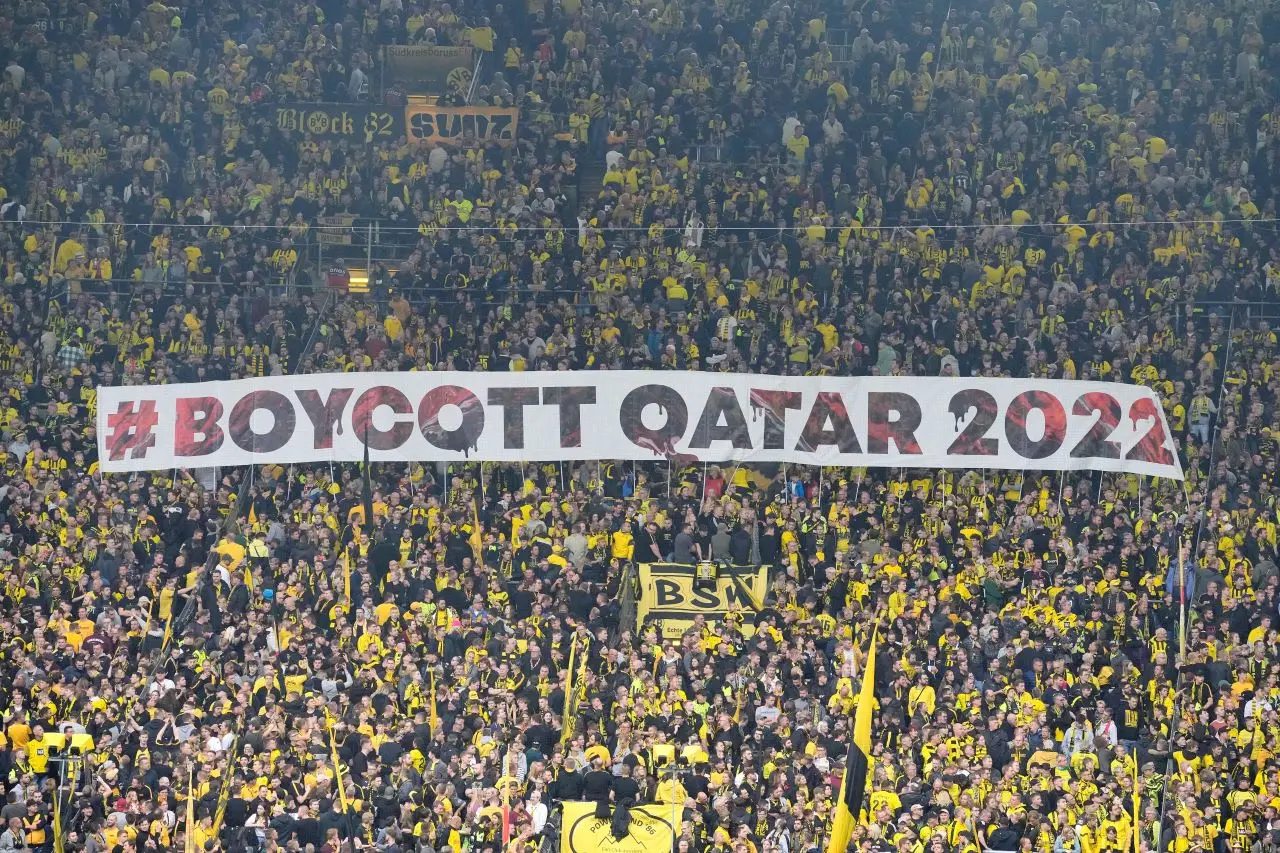
A prominent human rights organization has warned that the FIFA World Cup, scheduled to take place in Qatar at the end of this year, carries serious risks related to human rights. Reports indicate that these risks include potential violations of labor rights and inhumane working conditions for workers involved in constructing sports facilities.
These warnings come at a sensitive time as Qatar prepares to host the global tournament that brings together the best football teams. This major sporting event has sparked widespread debate about its impact on human rights in the country, especially amid increasing reports of labor rights violations.
Event Details
Qatar is preparing to host the 2022 World Cup, the most prominent sporting event in the world, and the first of its kind in the Middle East. However, preparations for this event have not been without controversy, as many concerns have been raised regarding the working conditions of the laborers who are building the stadiums and the necessary infrastructure to host the tournament.
Reports indicate that many workers suffer from harsh working conditions, including long hours, low wages, and a lack of legal protections. The international human rights organization has issued its warnings in this context, emphasizing the need to address these issues before the tournament begins.
Background & Context
Historically, there has been widespread criticism of Qatar regarding human rights, particularly concerning foreign labor. The country has seen a significant influx of workers from countries such as Nepal, India, and Bangladesh, who have come to work on major construction projects. However, the working conditions these workers endure are often unacceptable, raising concerns among human rights organizations.
In recent years, the Qatari government has attempted to take steps to improve working conditions, including introducing legal reforms aimed at protecting workers' rights. However, significant challenges remain in effectively implementing these reforms.
Impact & Consequences
These warnings carry significant implications for Qatar's reputation as a host of major sporting events. As the tournament date approaches, these concerns may affect attendance and international participation. Additionally, failure to address human rights issues could lead to calls for a boycott of the tournament, which could impact the Qatari economy that heavily relies on tourism.
Moreover, these issues may provoke criticism from global media, potentially leading to increased scrutiny of human rights violations in Qatar. This could affect the country's international relations, especially with nations that advocate for human rights.
Regional Significance
The World Cup is considered an important event not only for Qatar but for the entire Arab region. Hosting the tournament is seen as an opportunity to boost tourism and the economy in the region. However, concerns related to human rights could negatively impact the image of Arab countries on the international stage.
If these issues are not effectively addressed, it could reflect on the ability of other Arab nations to host major sporting events in the future. Therefore, addressing human rights issues is essential to ensure the success of the tournament and enhance the region's image on the global stage.