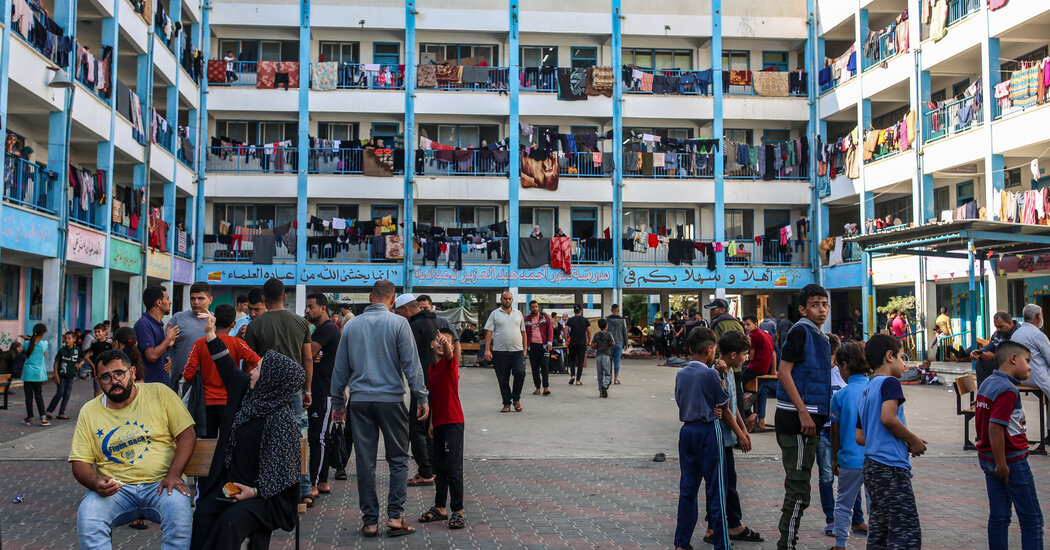
The United Nations Relief and Works Agency (UNRWA) reports that the humanitarian suffering in Gaza persists, even after a recently established ceasefire. The agency highlights that the humanitarian situation remains critical, with increasing basic needs among the population.
In an official statement, UNRWA confirmed that over 2.1 million Palestinians in Gaza require urgent humanitarian assistance. Ongoing conflicts have led to the destruction of essential infrastructure, making it increasingly difficult to provide basic services such as water, electricity, and healthcare.
Details of the Situation
Despite the ceasefire, UNRWA has observed the continuation of humanitarian crises in Gaza. Residents are suffering from acute shortages of food and clean water, alongside deteriorating health services. A spokesperson for UNRWA noted that many families remain displaced, further complicating the humanitarian situation.
The agency also confirmed that numerous schools and health centers have been destroyed or damaged, negatively impacting UNRWA's ability to deliver its services. The agency has called on the international community to provide urgent support to assist the affected population.
Background & Context
Historically, the Gaza Strip has witnessed numerous armed conflicts, exacerbating the humanitarian situation. Since 2007, Israel has imposed a blockade on the territory, significantly affecting the local economy and livelihoods. Repeated wars have led to widespread destruction of infrastructure, making reconstruction a challenging endeavor.
UNRWA, established in 1949, plays a vital role in providing assistance to Palestinian refugees, offering education, healthcare, and food aid. However, inadequate funding hampers its ability to meet the growing needs of the population.
Impact & Consequences
The humanitarian situation in Gaza continues to affect regional stability. As humanitarian needs increase, pressure mounts on neighboring countries to accommodate refugees. The ongoing suffering in Gaza could escalate tensions in the region, impacting peace efforts.
The conditions in Gaza exemplify the humanitarian challenges facing the region, necessitating an urgent response from the international community. Failure to take effective action could exacerbate humanitarian crises and increase instability.
Regional Significance
The situation in Gaza serves as a wake-up call for Arab countries, reflecting the humanitarian challenges faced by peoples in the region. The ongoing suffering in Gaza highlights the need for lasting solutions to the Israeli-Palestinian conflict and underscores the importance of Arab solidarity in addressing humanitarian crises.
In conclusion, the situation in Gaza requires urgent attention from the international community. Providing immediate humanitarian support can help alleviate the suffering of the population and bolster reconstruction efforts in the region.